CHEF PROFILES | THE DAKOTAS
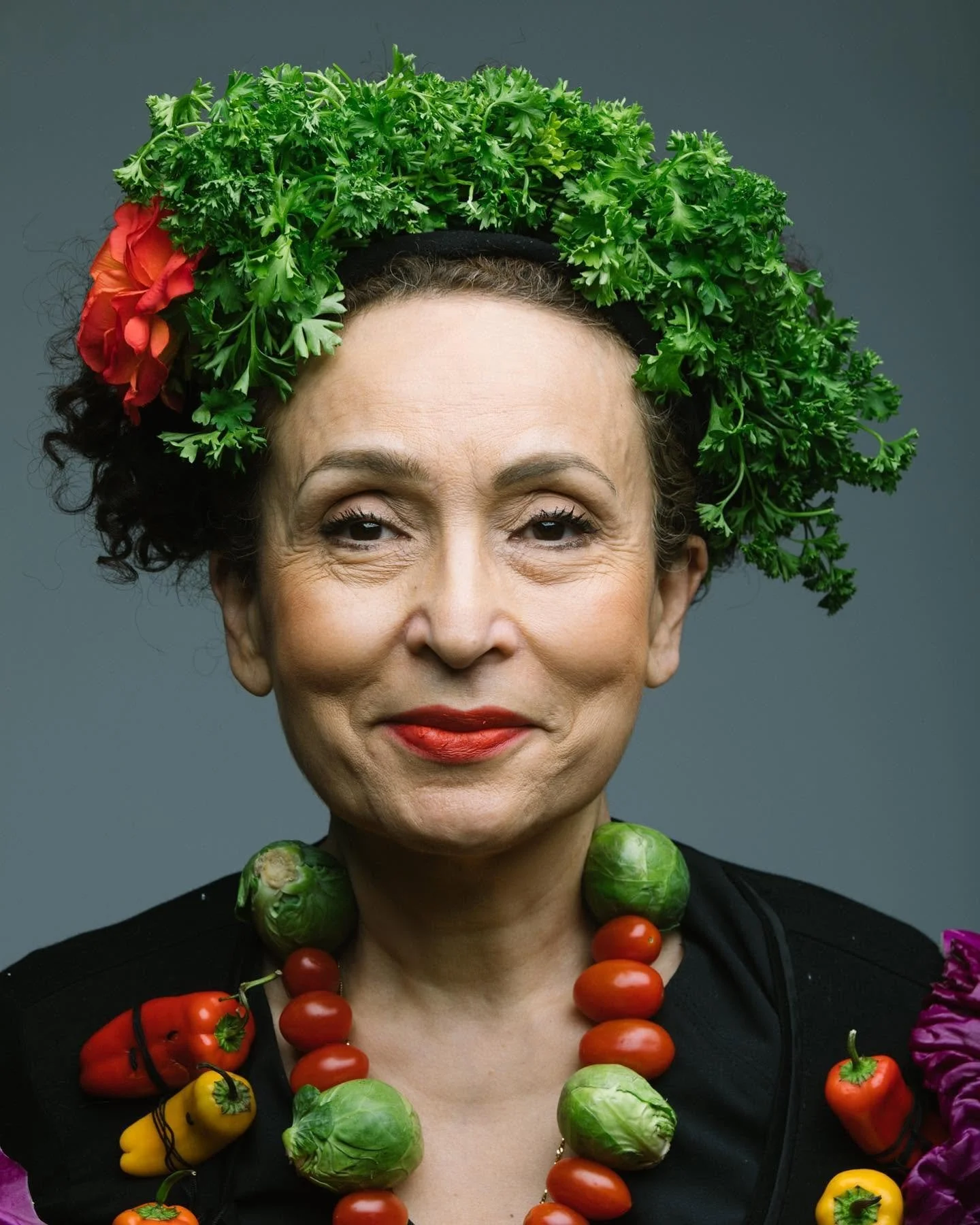
Sanaa Abourezk Is Still Cooking From Damascus
At Sanaa’s Gourmet Mediterranean, a Syrian-born chef has spent two decades changing how Sioux Falls eats.
By Eric Barton | July 4, 2026
AUTHOR BIO: Eric Barton is editor of The Adventurist and a freelance journalist who has reviewed restaurants for more than two decades. Email him here.

In Damascus, before the day had fully decided what it was going to become, Sanaa Abourezk could hear dinner being announced in the street.
Fruit and vegetable peddlers moved through the neighborhood calling out the morning’s harvest, each with his own song. Women lowered baskets from balconies with money tucked inside. The peddlers filled them with produce and sent them back up with change. Before Abourezk’s father left for work, he asked about the plan for dinner. Her mother always gave the same answer: “You choose what you feel like eating.”
“Food was never just nourishment in Damascus,” Abourezk says of her childhood. “It was how we connected with family, neighbors, and the rhythms of everyday life.”
That understanding would eventually travel with her from Syria to South Dakota, where Abourezk opened Sanaa’s Gourmet Mediterranean in Sioux Falls. She has since spent two decades teaching a meat-and-potatoes city to love lentils, tahini, pomegranate molasses, fresh herbs, and daily bread. Along the way, she became a cookbook author, appeared on Food Network’s “Beat Bobby Flay,” and earned James Beard recognition. It’s work that began on balconies, farms, and in the clay-oven mornings of her grandmother’s village.

Abourezk grew up in a middle-class family in Damascus, in a house filled, she told me, with “love, laughter, food, books, and a strong sense of family.” Her father had never attended school. He taught himself to read and write, and then made education nearly non-negotiable for his children. While other kids ran outside during summer break, Abourezk was inside with Les Misérables, Uncle Tom’s Cabin, Gone with the Wind, and Doctor Zhivago. A math tutor arrived too.
“At the time, I wasn’t always thrilled,” she says. “I would look outside and see my friends playing while I sat inside with a thousand-page novel.”
She sees it differently now. Her father had been a shepherd and farm laborer as a boy, working land that belonged to other people. He promised himself he would own land someday, and he did, buying the same ground where he had once worked and building a house in Sefsafeh, the village where both of Sanaa’s parents were born.
Every summer, the family left Damascus for Sefsafeh, about 20 miles from the Mediterranean. Abourezk followed her grandmother before sunrise, watching her milk the cow, make cheese, gather vegetables, and bake bread in a clay oven. “To this day, I can still remember the smell of that bread baking,” she says. “There is no bakery in the world that can quite recreate that memory.”
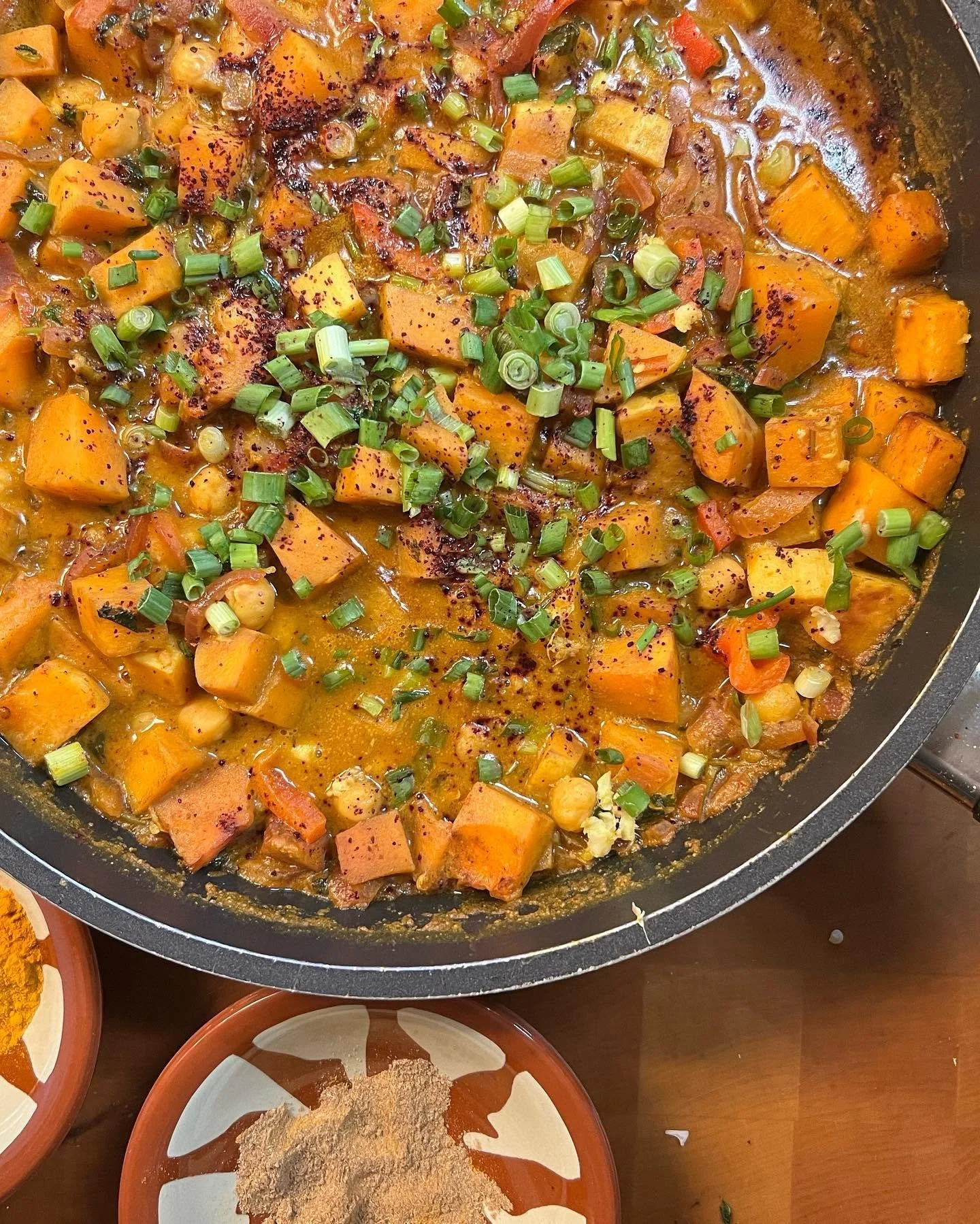
Those summers gave her the framework she still uses. Food began in soil, not in a recipe. Milk became cheese. Vegetables came from the garden. Olive oil came from nearby groves. Meals were made by many hands, with women rolling grape leaves and kneading dough, children given small jobs, and men at the grill. “At the time, I simply thought it was how life worked,” she says.

Abourezk studied agricultural engineering at Damascus University, imagining she might return to work with her father. Instead, she came to the United States for graduate school, first landing at JFK with more confidence in her English than the airport allowed her to keep.
“Within minutes, that confidence disappeared,” she says. “I remember standing there feeling overwhelmed and thinking, ‘What have I done?’”
She earned a degree in food and nutrition from California Polytechnic State University. Agriculture taught her where food begins. Nutrition taught her what it does once it enters the body. Those two ideas would become the spine of her cooking: fresh vegetables, whole grains, legumes, olive oil, and food made from scratch because it tastes better and because it makes sense.
After life in Damascus, Washington, D.C., and Los Angeles, Sioux Falls came as another kind of shock. It was quieter, wider, and lonelier than the cities she had known. Her husband, Jim, noticed what she kept returning to anyway.
“You love cooking and entertaining,” he told her. “Why don’t you do that?”
“That simple question changed my life,” Abourezk says.

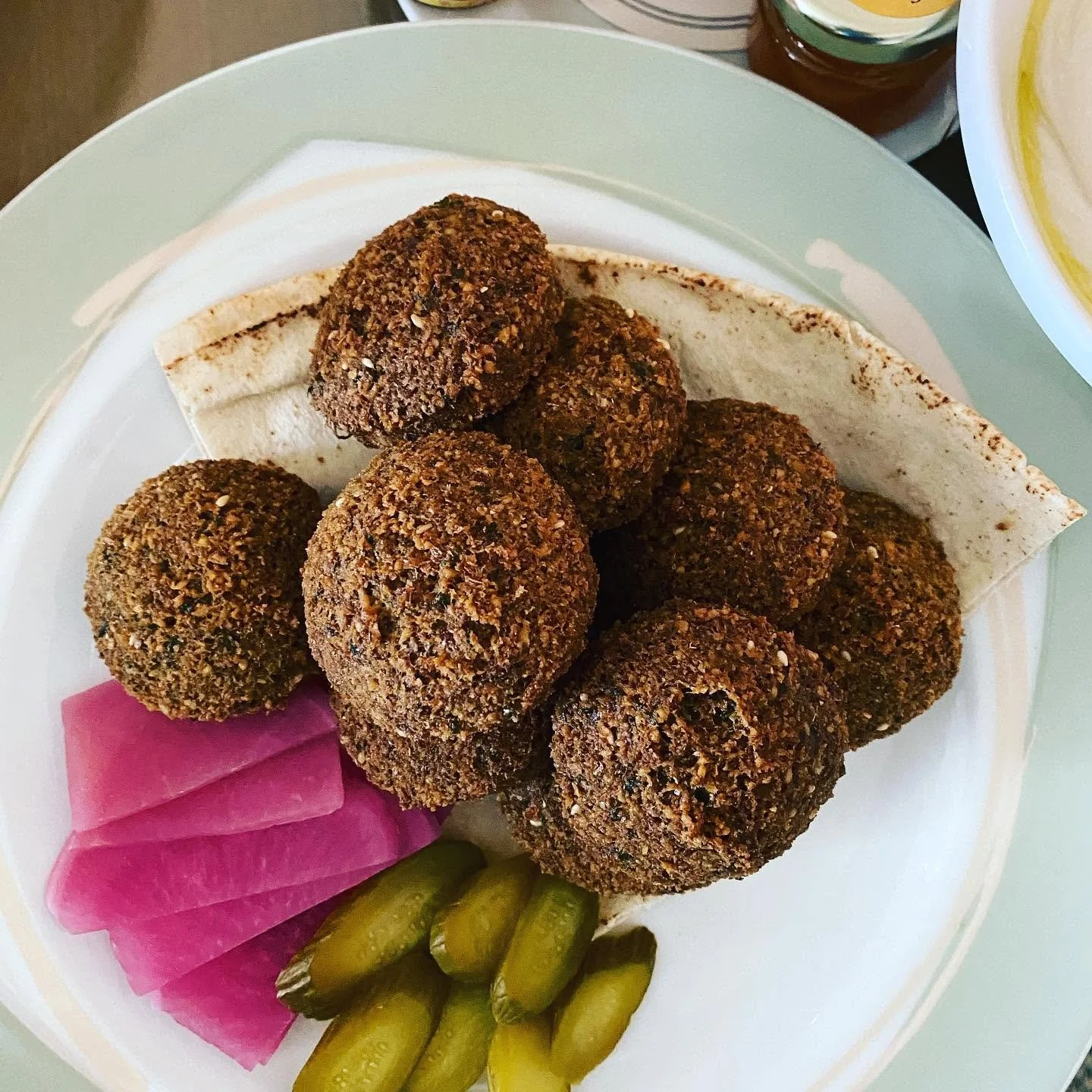
When Sanaa’s opened, people warned her that South Dakota might not be ready. Even black pepper, she was told, could seem spicy. She kept the food as she knew it. She baked pita from scratch. She cooked with coriander, cumin, harissa, lentils, beans, tahini, and pomegranate molasses. She served vegetables and grains with conviction long before plant-based eating became a national restaurant category.
“I wanted people in South Dakota to understand three simple things,” she says. “Simple food can be delicious, fresh ingredients are healthier, and food is one of the purest expressions of love and hospitality.”

After 20 years, Abourezk has adjusted the business around a life she can sustain. She stopped catering and dinner service. The restaurant now closes at 3 p.m. and stays closed on Sundays, leaving room for her staff, her daughter, her garden, and the pieces of life that feed the work.
People ask when she plans to retire. She has her answer ready.
“Why would I stop doing what I love?”
Back in Damascus, baskets once rose from the street filled with whatever the peddlers had brought that morning. In Sioux Falls, Abourezk has spent her career sending something back in the other direction: food from one life to another, carried carefully, meant to arrive still warm.
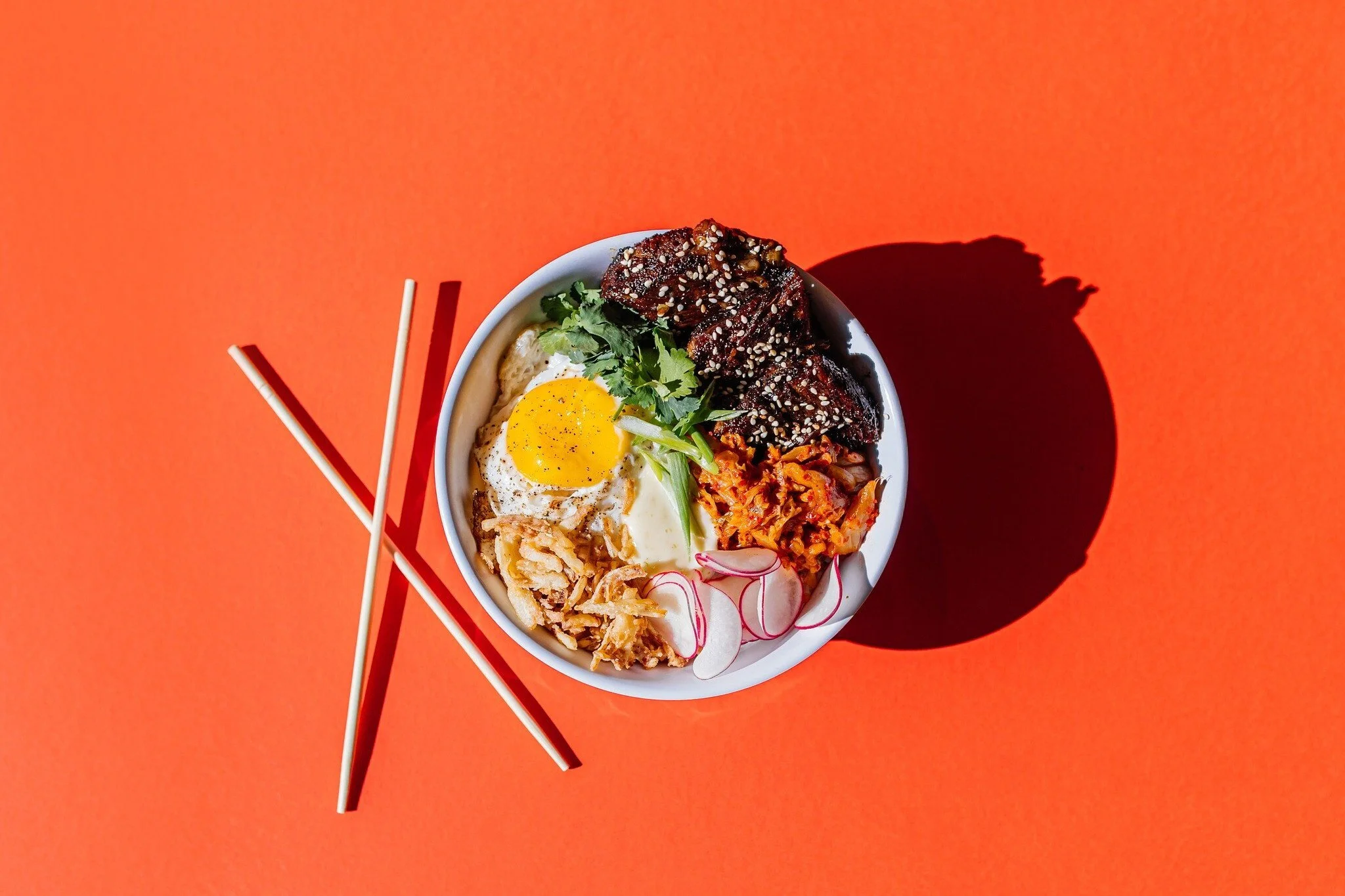
These Are the Michelin-Quality Restaurants in North and South Dakota
The Michelin Guide has yet to make it to the Dakotas, so we went looking for the restaurants worthy of stars, Bib Gourmands, and more.


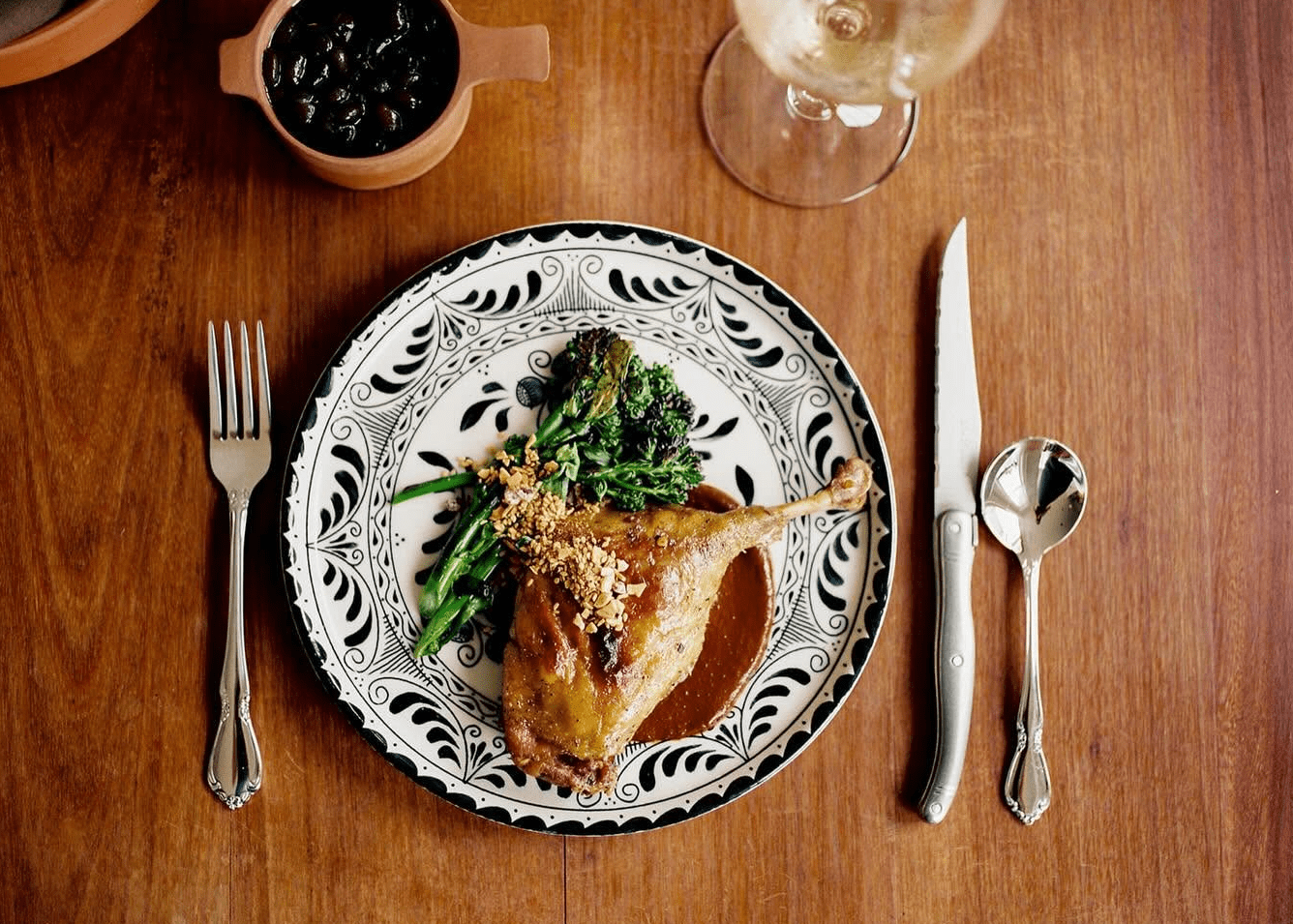
Where Michelin Should Eat When It Finally Gets to Wisconsin
Michelin hasn’t published a Wisconsin guide yet, so we went looking for the restaurants across the Badger State.