DALLAS | TEXAS
Meet Matt Ford, the Kansas-Born Chef Redefining Modern Texas Dining in Dallas
By Eric Barton | Dec. 11, 2025
AUTHOR BIO: Eric Barton is editor of The Adventurist and a freelance journalist who has reviewed restaurants for more than two decades. Email him here.

Matt Ford still remembers the job placement test he took in sixth grade. One-hundred-fifty questions in a no-stoplight town in central Kansas, and at the end the machine spat out two paths for his life: chef or pilot. For a kid who already preferred stirring a pot, it felt less like a surprise than a verdict.
His childhood had already been 40 acres, two ponds, a pumpkin patch, and, crucially, a greenhouse his mother started after horticulture school. “It was everything a young boy could ask for,” he tells me. His dad worked the railroad and was gone most of the week, so his mother drafted her sons into service: watering plants, transplanting seedlings, doing dishes, cooking dinner. Ford realized early that the chores that involved a stove were the ones that made sense to him.
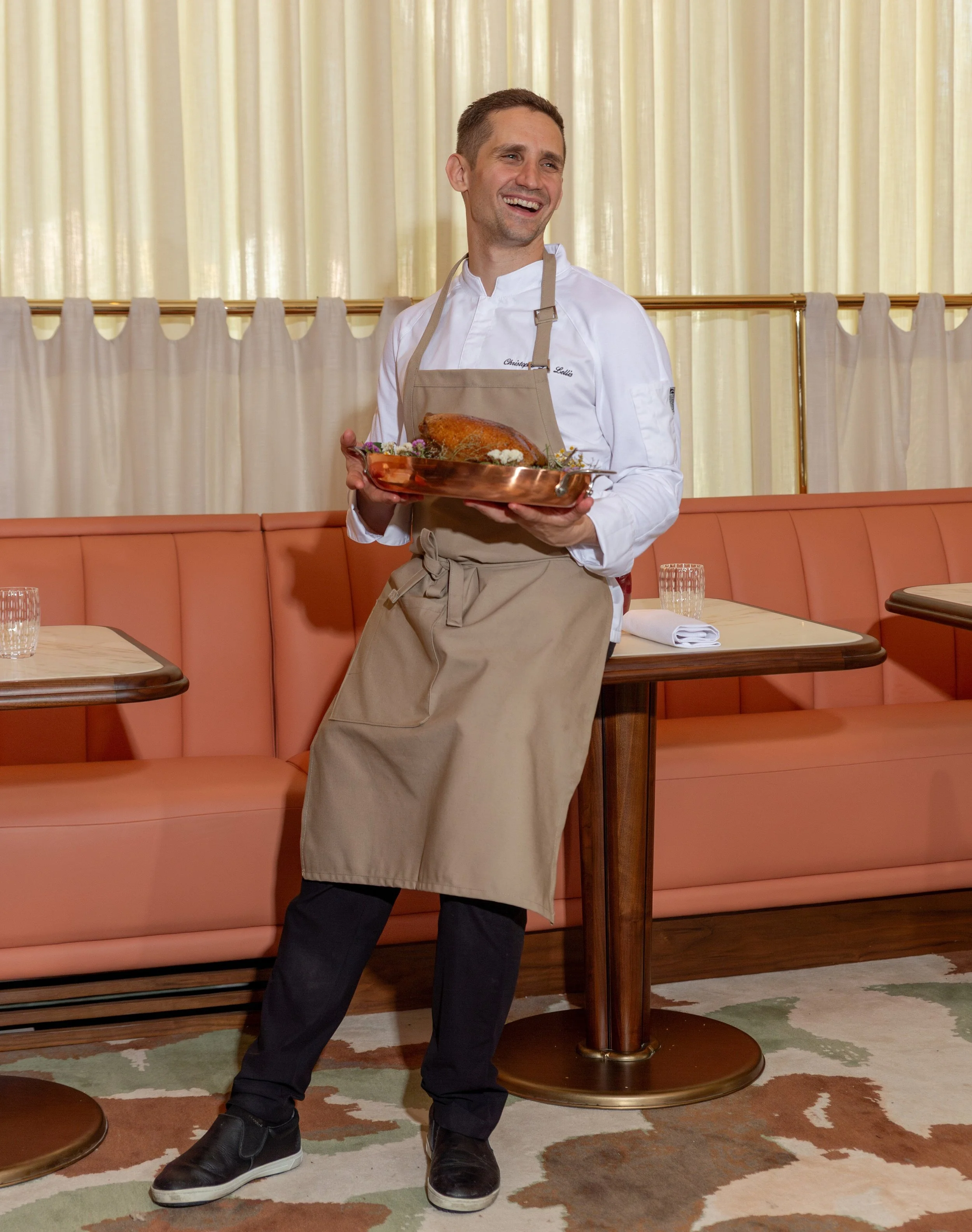
Today, Ford is the executive chef at Billy Can Can, the high-energy Victory Park saloon that feels like Dallas history reimagined with better lighting and a more opinionated wine list. He’s built a version of “modern Texas cuisine” there that pulls from Creole, Cajun, Southern, German, Czech, Midwestern, and Mexican traditions, all anchored by Texas beef, wild game, Gulf seafood, and, when possible, vegetables he grows himself in Lake Highlands.
And as if running one of Dallas’s most distinctive dining rooms weren’t enough, he’s deep into planning his next act: Romy, an all-day bakery-café and modern American restaurant that will anchor the new East Henderson development.
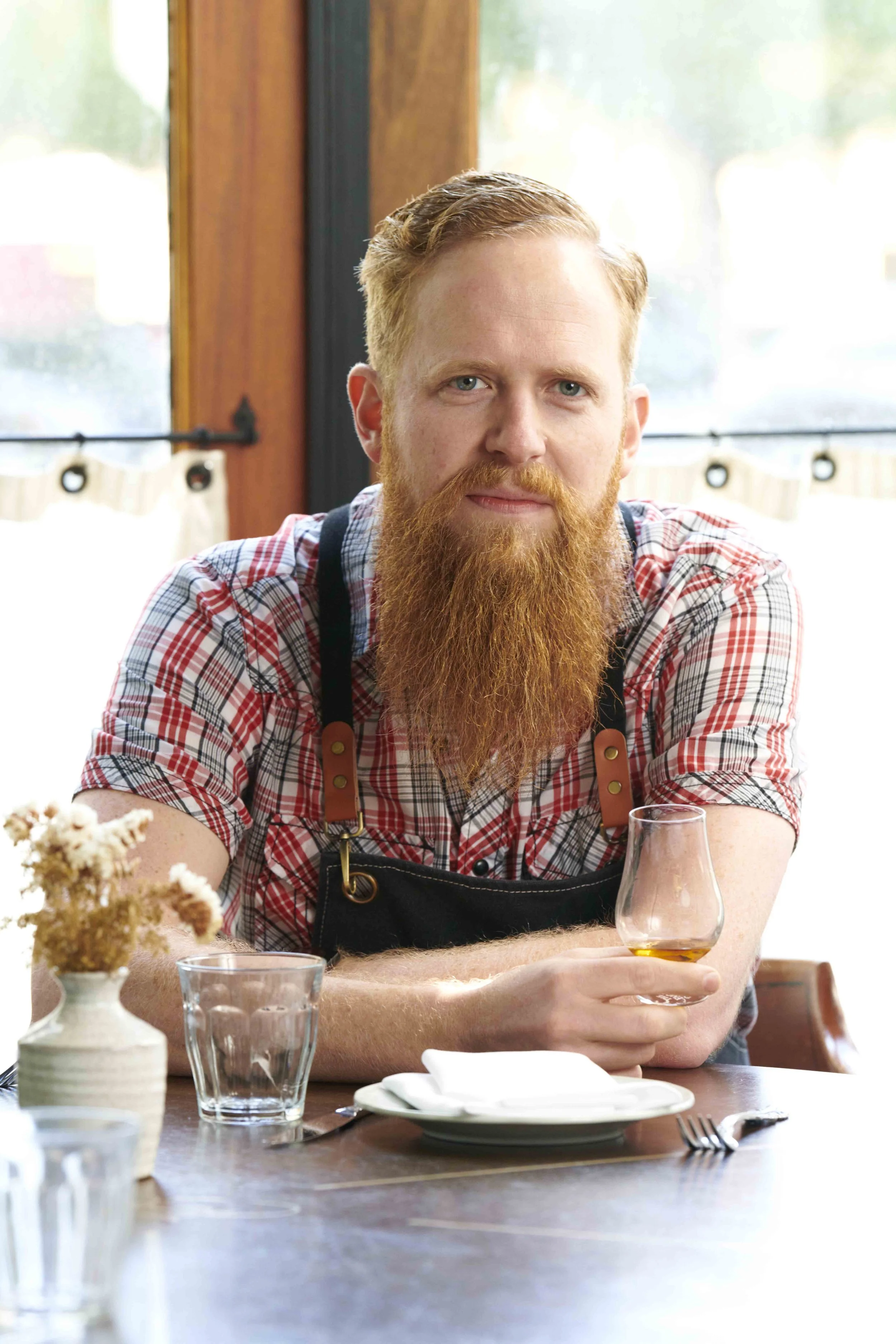
Matt Ford
The line from Kansas dirt to Dallas saloon starts in that greenhouse. Ford’s mom “is a great cook, who always makes everything from scratch,” he says, the kind of person who bakes bread and cooks from what she grows. Ford noticed the connection between what was in the soil and what landed on the plate, long before farm-to-table became a marketing phrase.

When the family moved to Lindsborg, a mostly Swedish town of about 3,000, the food options were modest: a McDonald’s, a Pizza Hut, one full-service restaurant. At 14, he went to work at McDonald’s; the day he turned 16, he applied at the town’s only sit-down restaurant as a prep cook.
Heirloom tomato salad

Culinary school in Kansas City broadened the universe, especially when he apprenticed at The American Restaurant under James Beard Award winner Celina Tio. Afterwards he cooked at Bluestem with another Beard winner, Colby Garrelts. There was the night a suspected Food & Wine scout came in, the kitchen realizing only when the check presenter saw the name on the credit card. Many of the dishes had come off Ford’s station. “Being able to cook with these amazing ingredients was an absolute blessing,” he says. Afterwards, Garrelts won Food & Wine’s Best New Chef, and Bluestem was packed from then on.
Venison tartare

Bone-in pork chop
Then came the call that would change his geography: a favorite sous chef from The American, just back from a stint at The French Laundry, asking if Ford would move to Dallas to help open Craft for Tom Colicchio at the W in Victory Park. The restaurant looked understated on paper, but the education turned out to be intense. “The amount of detail that went into every dish at Craft was amazing. I worked 14-plus hour days, five to seven days a week, and many of the hours were for free. But I was like a sponge soaking up all the knowledge and loving it.”

Deviled eggs
When Craft closed, Ford moved a few blocks but kept leveling up. He helped open CBD Provisions at The Joule, then became executive chef at the hotel’s Italian spot, Americano. That is where he linked up again with Tristan Simon, the hospitality mind behind Rebees, who was plotting a grand, fictional saloon-keeper named Billy and needed a real chef to make his world believable.
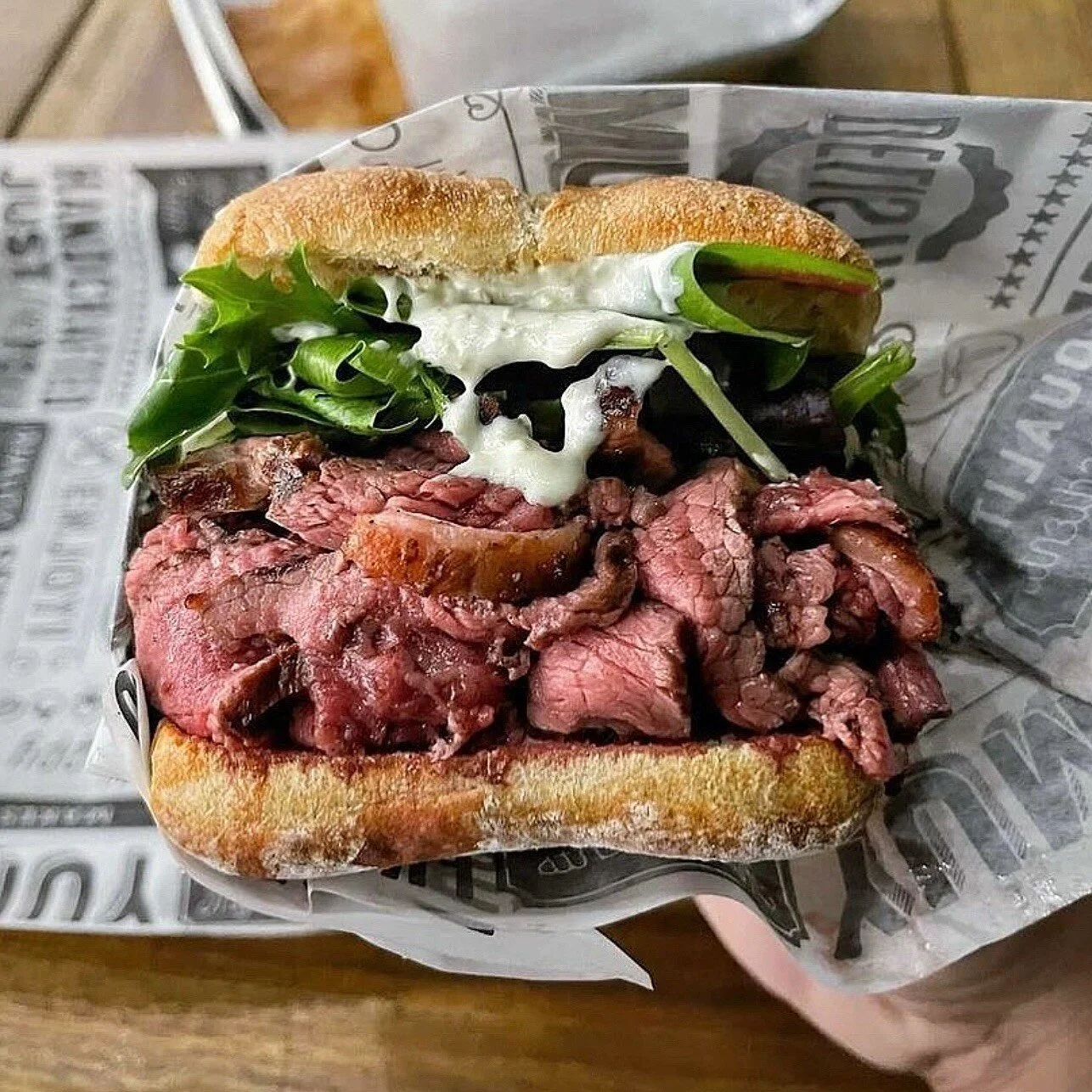
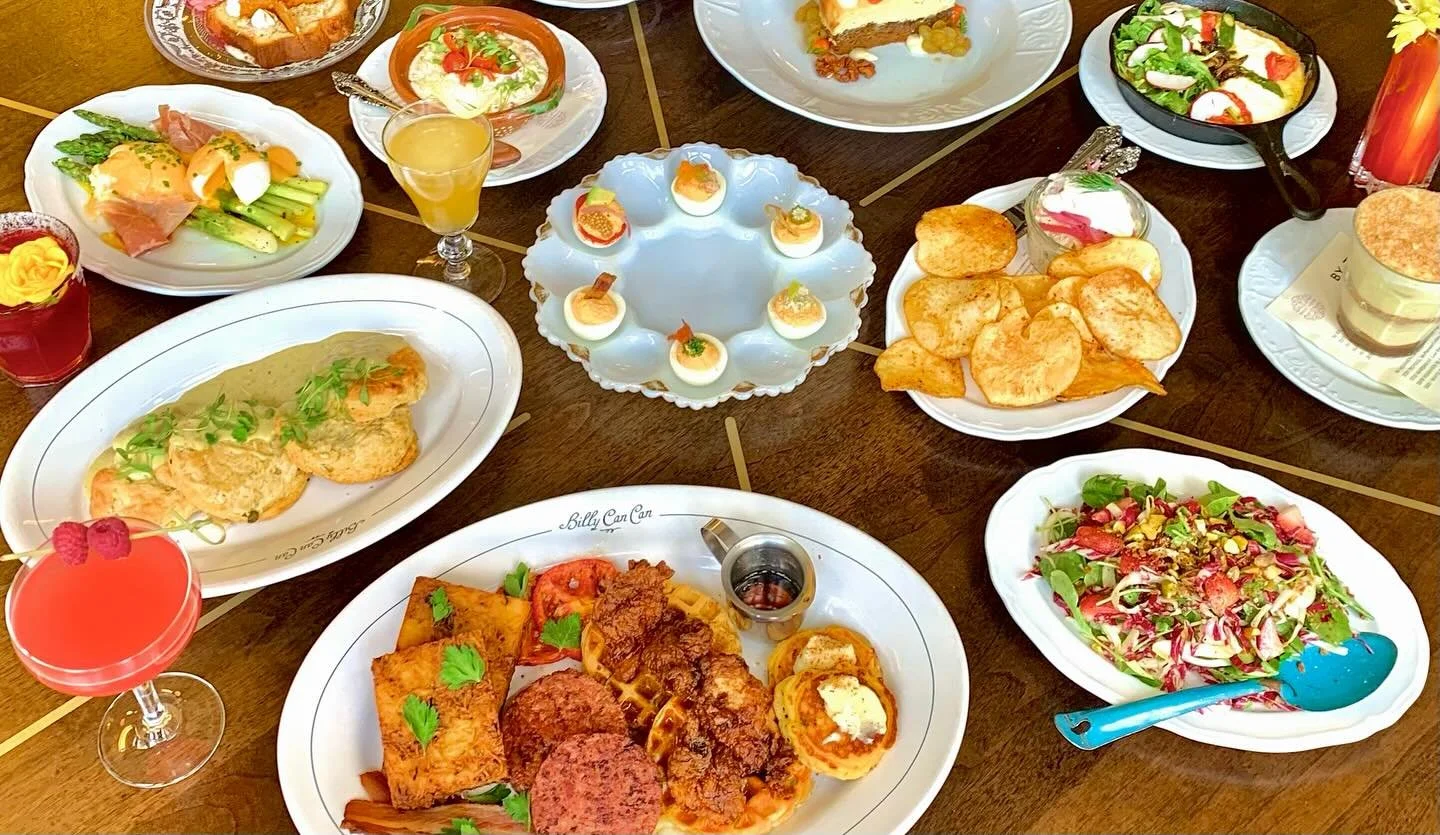
Billy Can Can opened in 2018, all pecan wood and hand-tooled leather and a poker table inlaid with brass. In that theatrical setting, Ford cooks food that is modern without losing the point. “The Texas venison tartare is one of our most popular dishes,” he says, a plate that takes the state’s wild game and runs it through his pantry of juniper, smoked aïoli, dried cherries, and fried shallots. The wagyu flatiron au poivre leans into a local wagyu producer and a cognac-rich gravy, with bitter broccoli rabe to cut it. The wild boar lasagna braises local boar with chipotles and tomatoes, stacks it with fresh ricotta and pasta, and finishes with a charred kale condiment that brightens the whole thing.

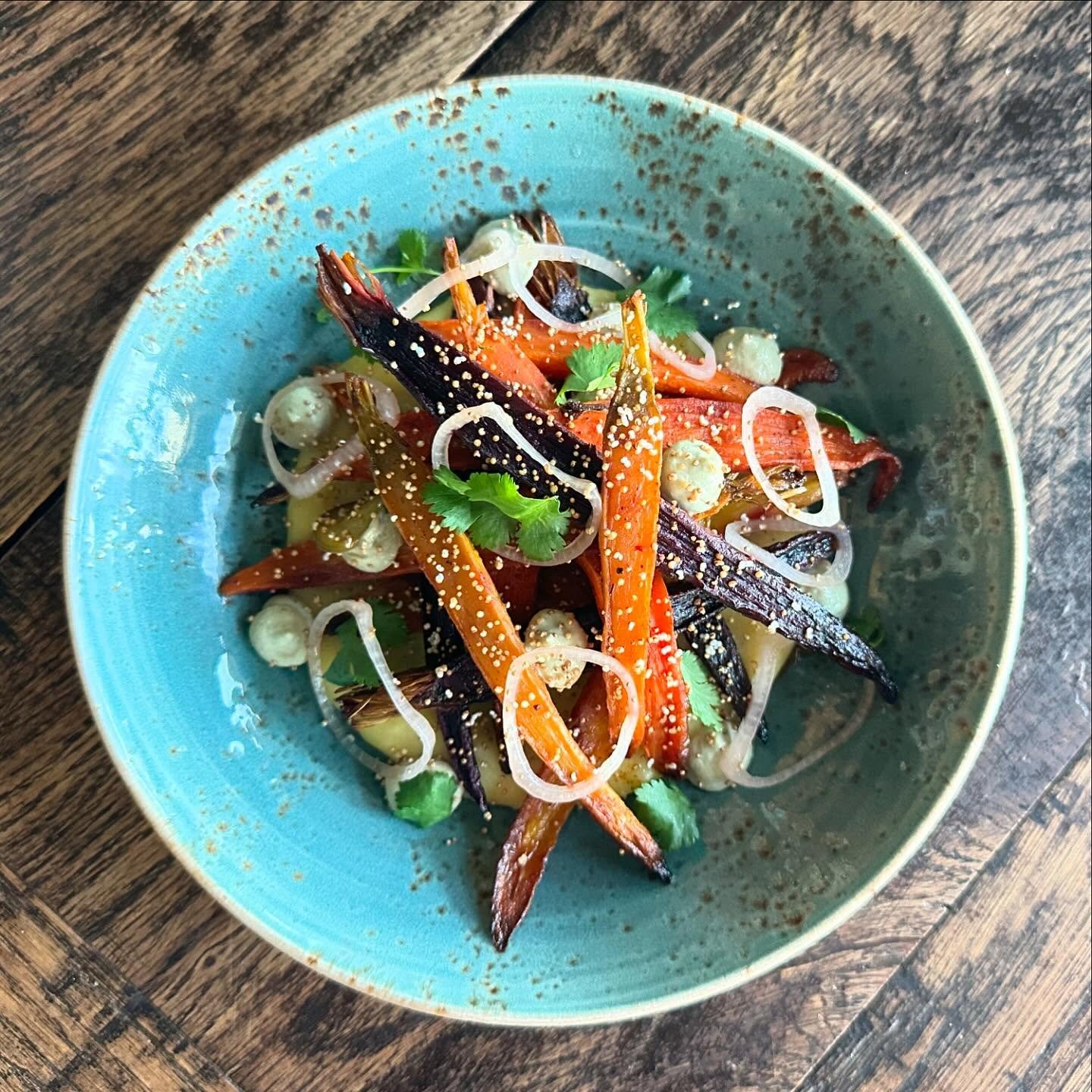
The vegetables, more often than not, start a few miles away in Lake Highlands, where Ford keeps three plots at the community garden. He was the young guy growing “green sausage tomatoes and cinnamon basil” among gardeners decades older. One dish in particular feels like the greenhouse kid grown up. “One of my favorite seasonal menu items is always our summer heirloom tomato salad,” he says. “It’s a play on a panzanella,” with fried ciabatta, grilled cucumbers, red onions, and what can amount to 20 kinds of tomatoes and seven or eight basils, many of them grown by his own hand.
Honeynut squash ravioli
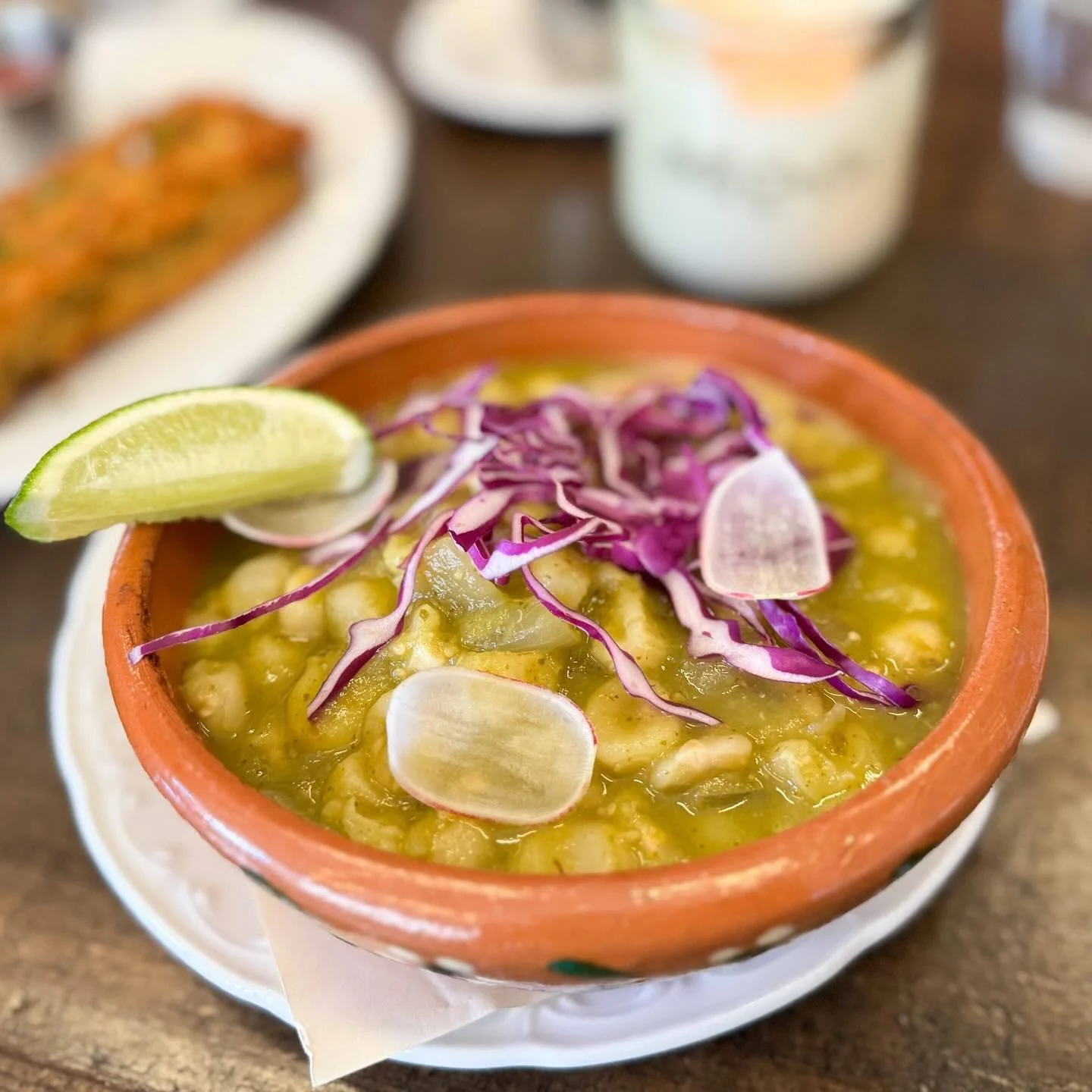
Home is also in Lake Highlands, with his wife, Adrienne, and their three children, Kale, Olive, and Rye. “A work-life balance is a very difficult thing to do in the restaurant business,” he says. “I try really hard to be engaged at home when I’m at home and try to give my attention to the family.” The kids like coming to the restaurant, where life lessons come with sidework and snacks.
Posole
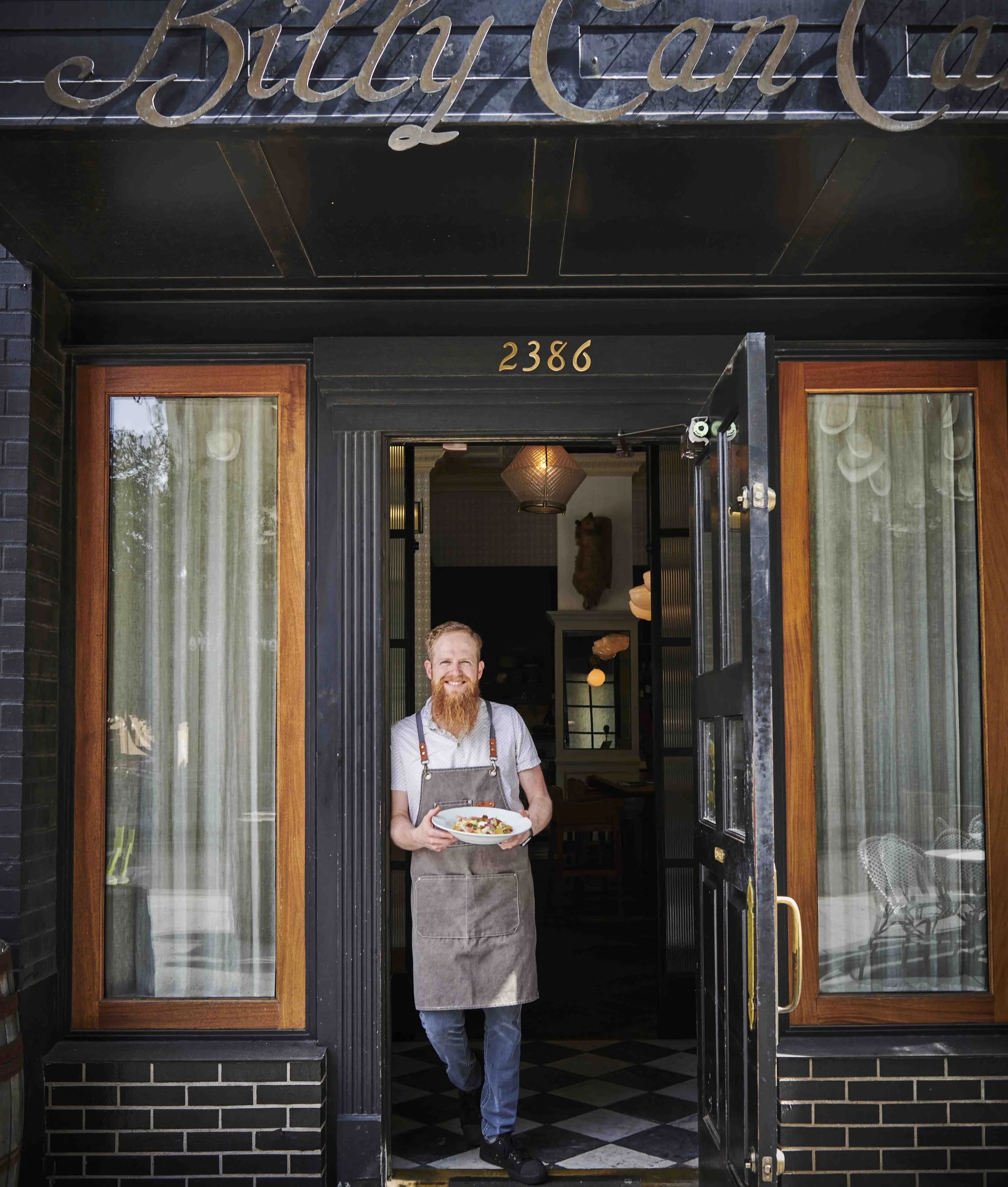
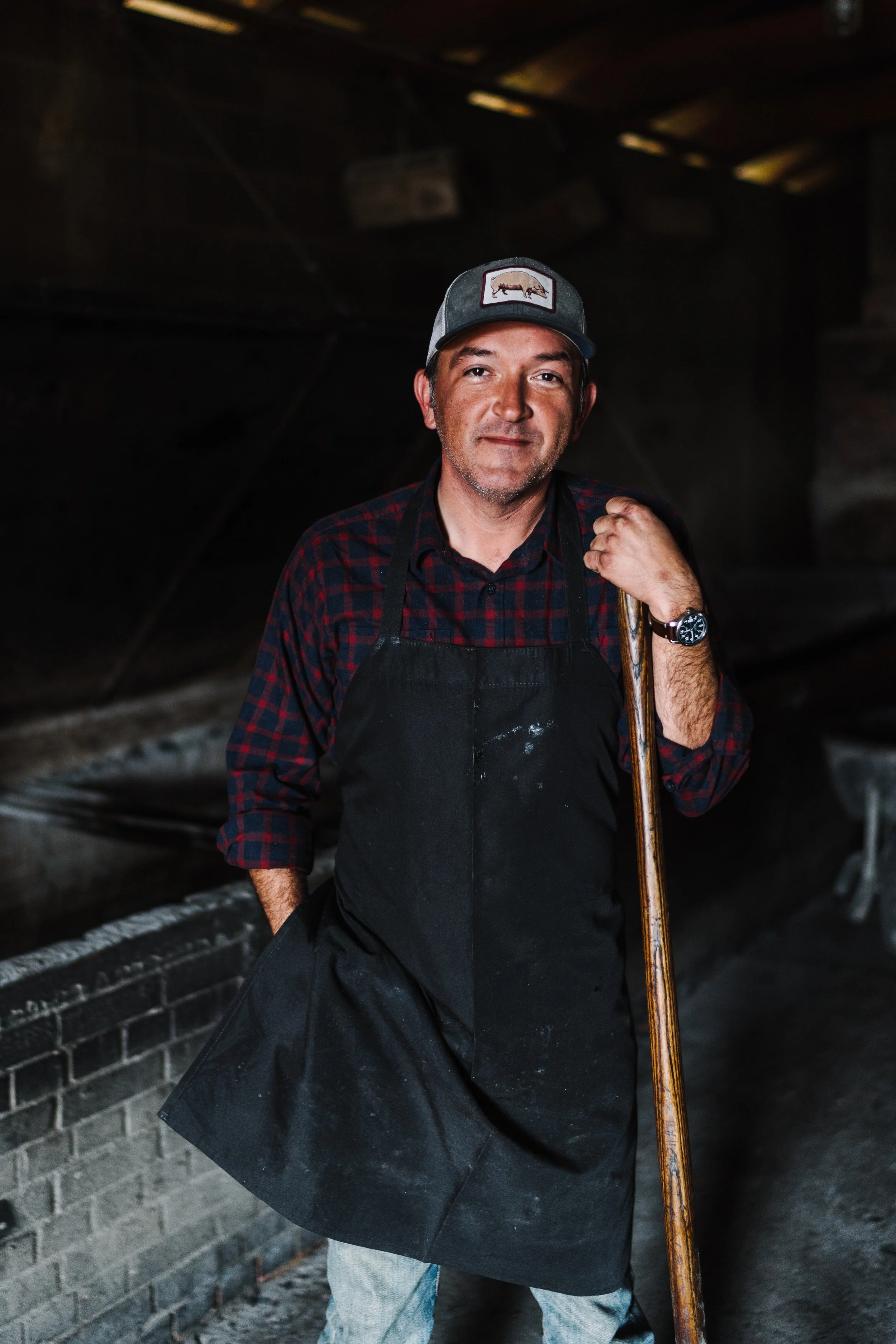
Ford at Billy Can Can
Romy, the next project, looks like the logical extension of everything he has been building, with the opening planned for December 2026. “By day, Romy is fresh, light-filled, and vital,” he says, describing cappuccinos, baked goods, and grain porridges, salads of local greens and house-cured trout, charcuterie and lambrusco on the patio. At night, the room will soften into a modern American restaurant with house-made pastas, wood-fired pizzas, and wood-roasted heritage meats; they will dry-age their own meats and fish. “I couldn’t be more excited about this next step in my career, because this will be very creative and artistic, and I love working with my hands.”
It is not hard to imagine the sixth-grader in Lindsborg seeing that future laid out: still in the garden, still in the kitchen, still chasing possibility in the space between the two.