CHEF PROFILES | WASHINGTON
How Puget Sound Roots Shape Melanie Steehler’s Cooking at Darkalino’s
By Eric Barton | April 3, 2026
AUTHOR BIO: Eric Barton is editor of The Adventurist and a freelance journalist who has reviewed restaurants for more than two decades. Email him here.

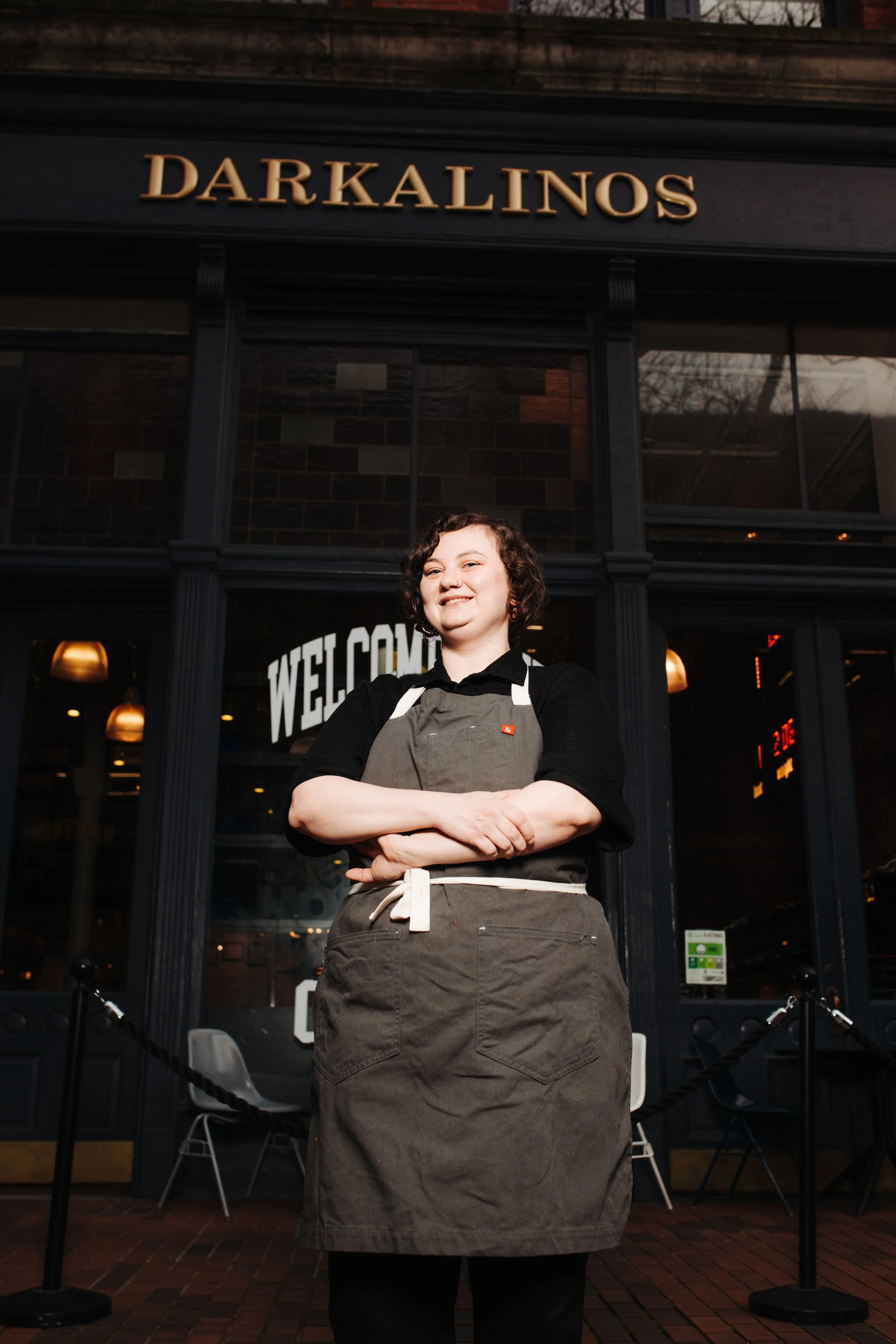
Melanie Steehler grew up at the edge of Puget Sound, in a place where family gatherings began with whatever had come out of the water. In the logging town of Shelton, Washington, any celebration was salmon and clams and oysters and mussels and geoducks, passed around by relatives who understood the water not as scenery but as sustenance.
“My father’s family would center their gatherings around the bounty of the seafood that the Puget Sound provided,” she said. She had many cousins, six of them born the same year, going through every stage of life together. At any birthday or anniversary or graduation, it was there again, the bay, like it had its own seat at the table.
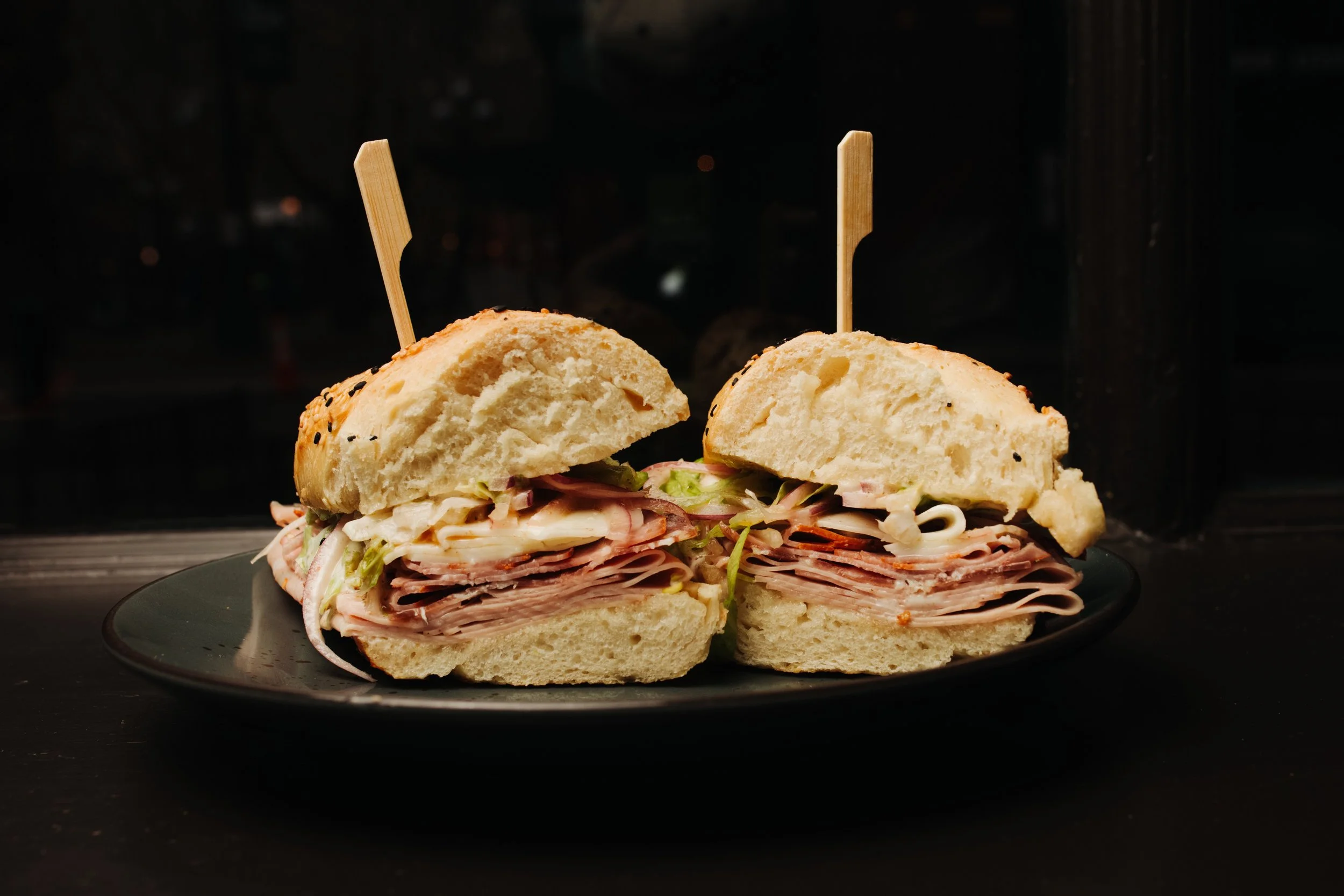
That world still follows her. At Darkalino’s in Seattle, Steehler is cooking in the language of a modern deli — fresh pasta, stacked sandwiches, sharp salads, comfort food with some backbone — but underneath it is the sensibility of someone raised to understand ingredients as local, seasonal, and earned. Plenty of cooks know how to talk about the Pacific Northwest. Steehler sounds like somebody who had to live it first.
Shelton gave her the kind of childhood that quietly builds a chef before anybody knows that’s the end goal. The Olympic National Forest was her backyard. Her mother’s side of the family was a large Norwegian clan with holiday spreads. Her father’s side was Native American, and those gatherings circled back to the seafood pulled from nearby waters.
Food in that house was rarely separate from work, season, or preservation. Her grandmother canned blackberries into jam, put up green beans and spicy pickles, and made tuna from fish bought fresh from local fishermen. There was canned antipasto with tomato sauce, cauliflower, green beans, and black olives, eaten with Ritz crackers. Her family hunted and fished. Her father butchered venison and, when it came around, elk and pheasant. “Simple food, made with quality ingredients, shaped my childhood,” she said. It explains a lot about the way Steehler cooks and the kinds of flavors she seems drawn to: food with a point, food that remembers where it came from.
At 18, she moved to Seattle to attend the Art Institute of Seattle’s culinary program. She needed an internship, and from her apartment balcony, she could see Branzino, the small Italian restaurant in Belltown. So she called. The restaurant, owned by Peter Lamb, became the place where the thing sharpened from interest into vocation. Branzino, she said, “really sparked my culinary fire.” The chef and sous chef showed her what restaurant cooking could be when talent and obsession were matched by generosity.
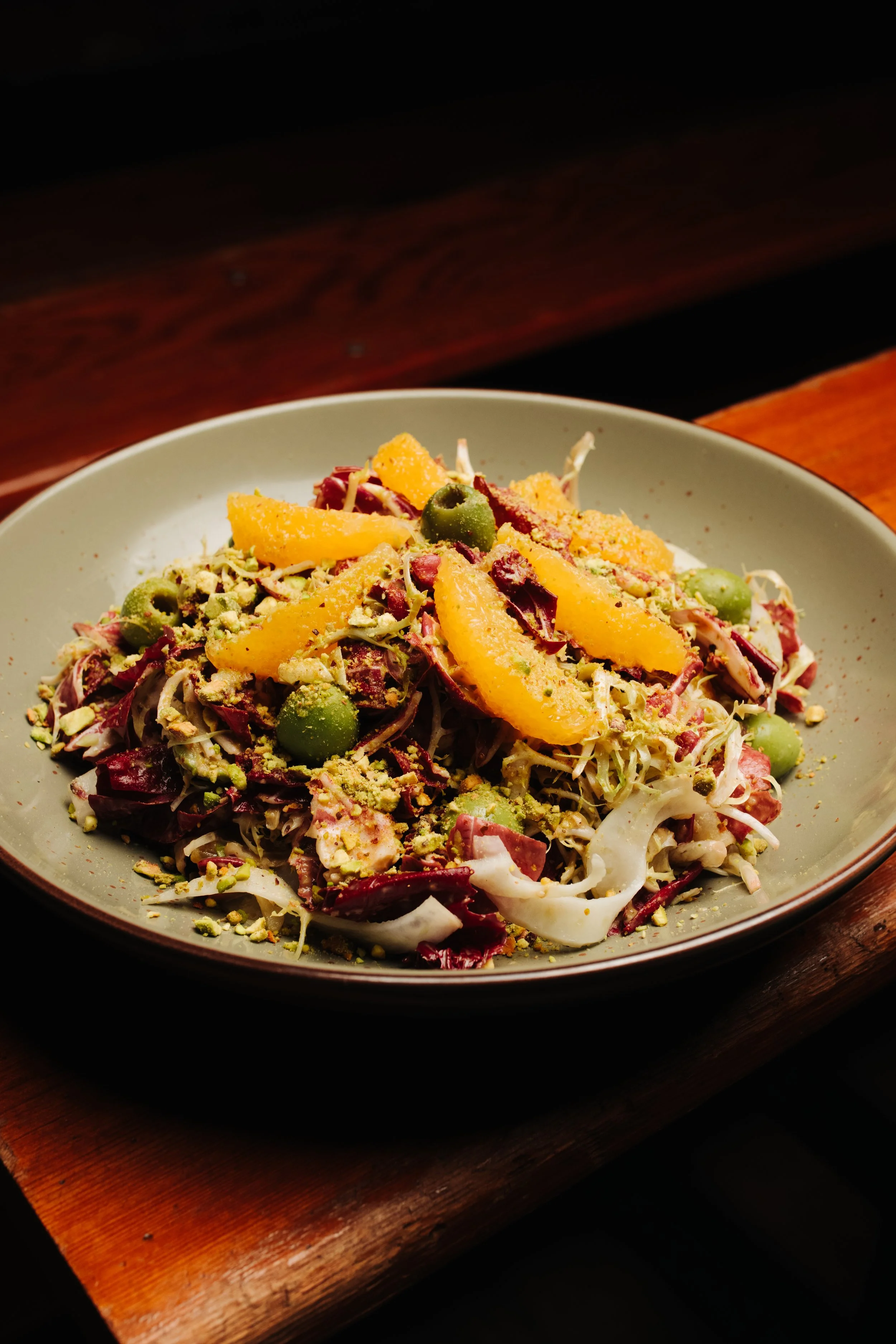
One of her first days there, the chef sat her down, cooked her a seven-course meal, and handed her The French Laundry Cookbook. “The gesture brought me to tears as it was one of the nicest things someone has ever done for me and solidified that I made the right choice for my career.”
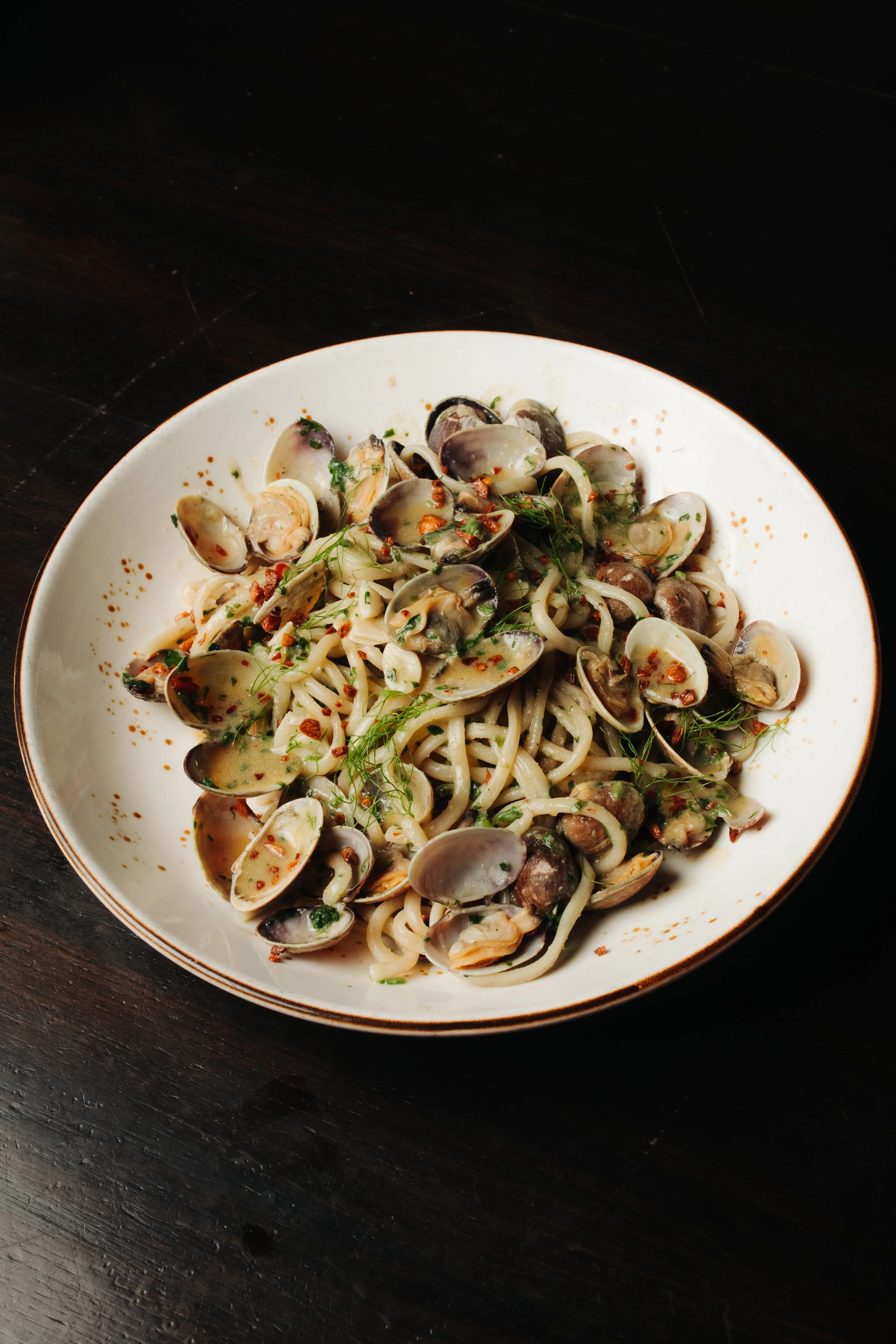
After graduating, Steehler moved through a strong showing of Seattle restaurants, including Hitchcock, Sea Creatures, and Ethan Stowell’s restaurants. She learned the mechanics of fine dining, the rhythms of ambitious kitchens, and the value of restaurants with a point of view.
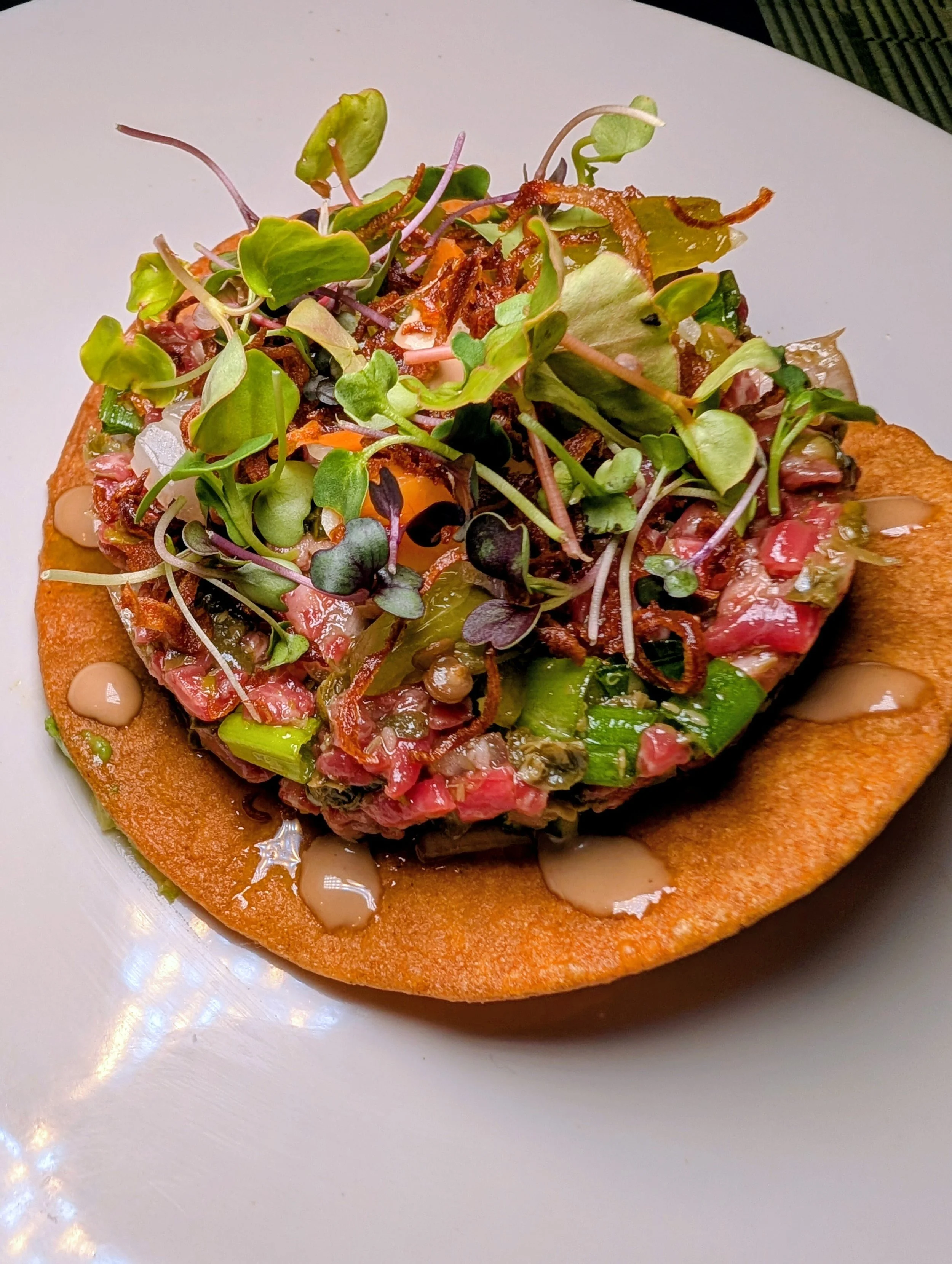
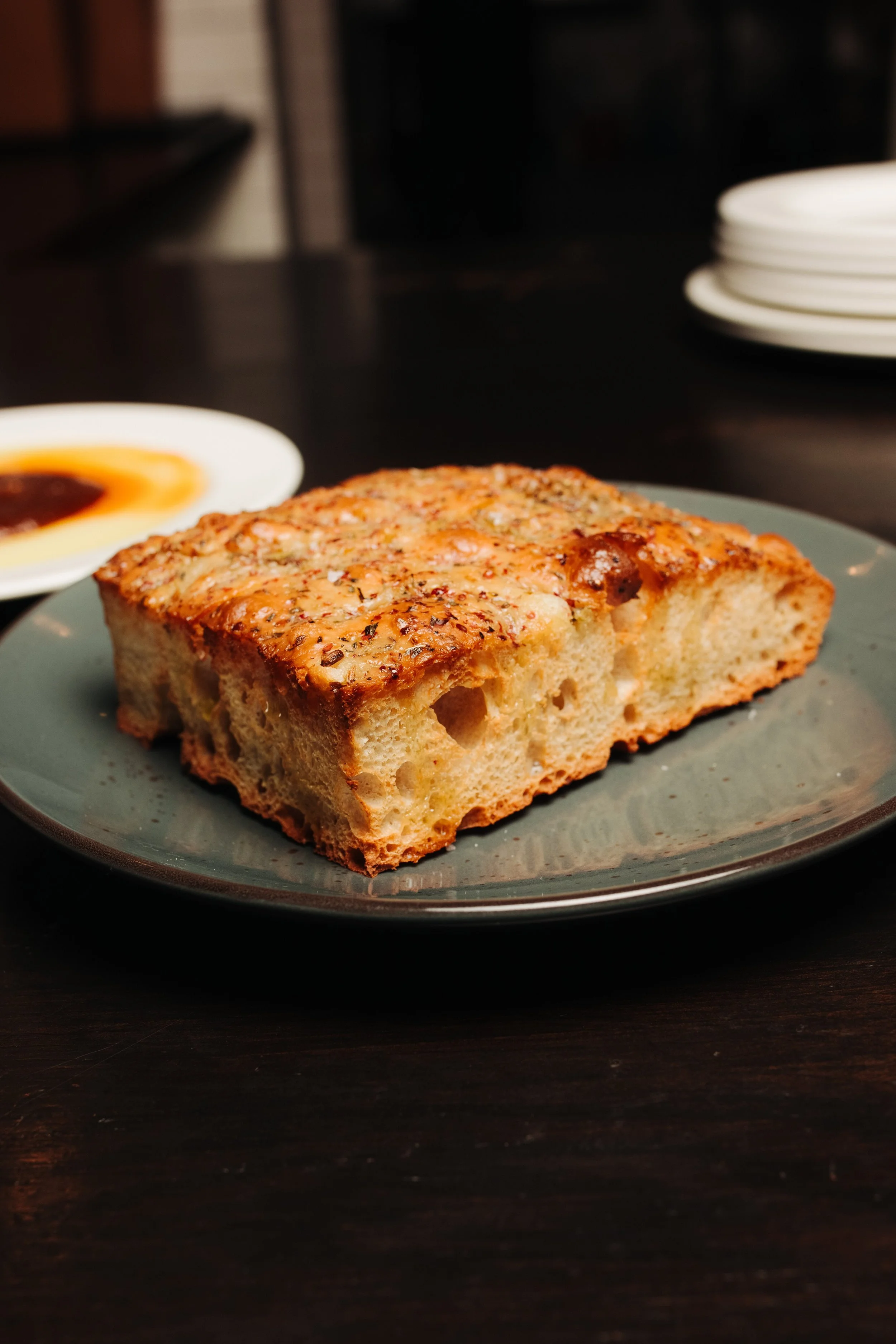
At Darkalino’s, she arrived after the menu’s core classics had already been established. The restaurant leans into house-baked focaccia and hoagie rolls, fresh pastas, a Caesar with preserved lemon in the dressing, and chicken parm. Steehler has found room for herself through specials, which is often where a chef’s real personality first slips through anyway. “At Darkalinos,” she told me, “classics remain classics—just crafted with care and a touch of creativity.”
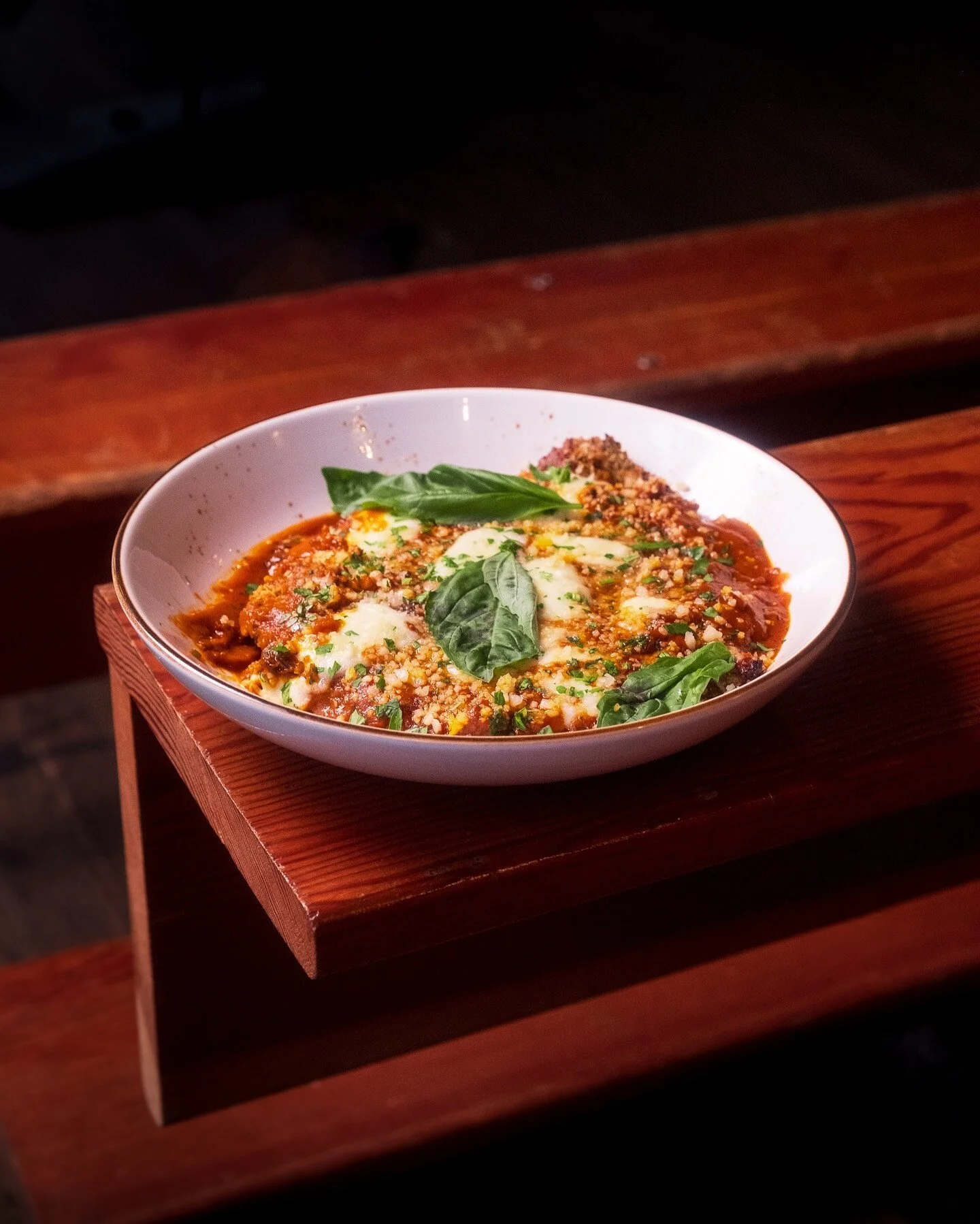
Her own definition of Pacific Northwest food becomes clear in the sourcing. “We have always focused on keeping fresh local ingredients a part of every dish, but there is generally a little added flair with an unexpected ingredient like preserved lemons, black lime, or smoked pepper,” she says. A new brunch menu started last weekend, with a frittata sandwich on focaccia, house-made cinnamon rolls, and pasta carbonara.
These days she’s working on a cioppino-inspired special, but “flipped” into a pasta dish. “Tomato, shaved garlic, butter, thyme, oregano, Calabrian chili, half handful of clams and mussels, halibut, then add pasta such as bucatini or spaghetti, finished with lemon. The comfort of stew and a bowl of pasta all in one.” The idea sounds exactly right for her — the comfort of a stew, the structure of a composed dish, and the sea never very far away.
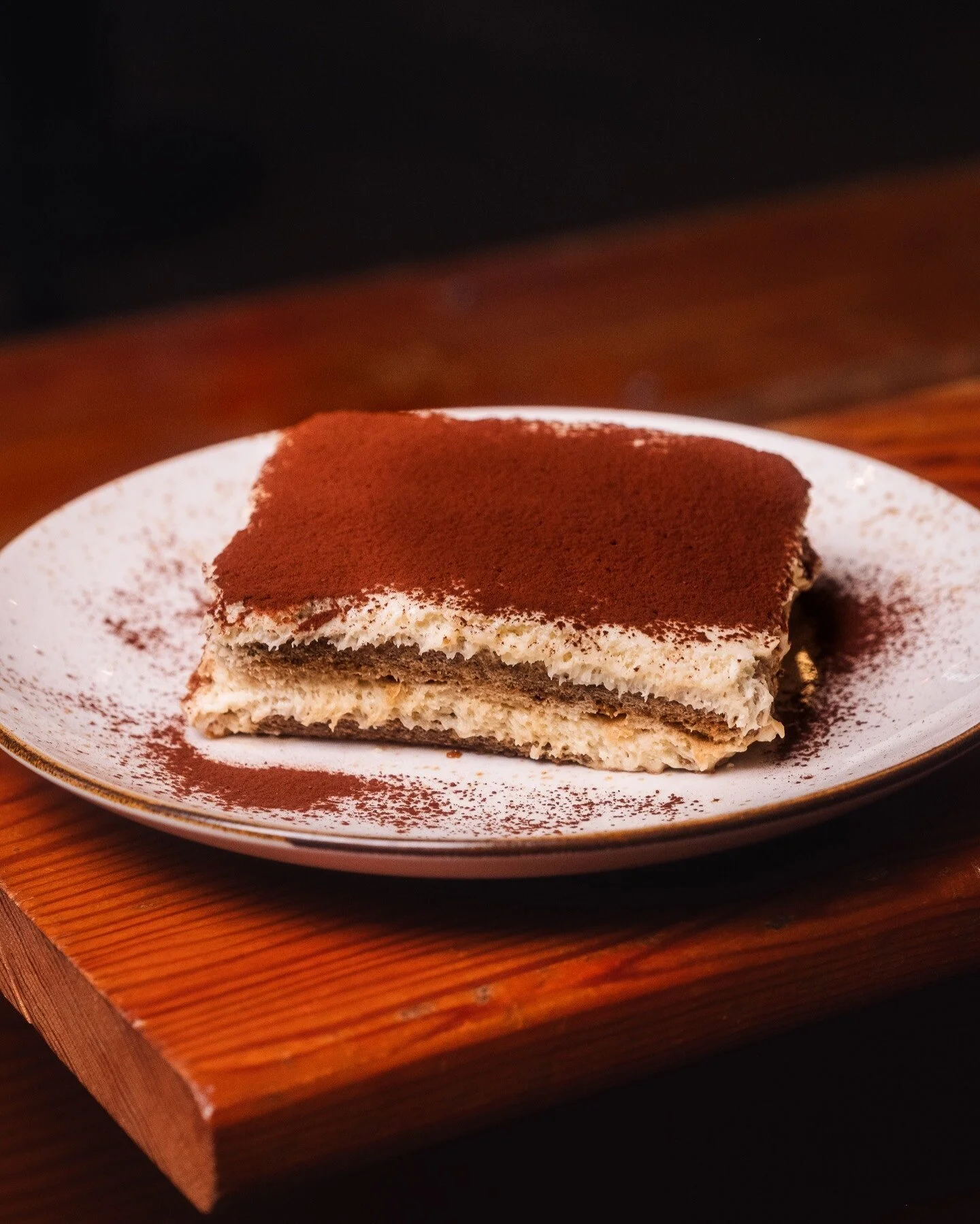
For Steehler, that distance has never been very far at all. It is there in the ingredients, in the restraint, in the way she talks about food as something to honor rather than decorate. Years later, in a Seattle kitchen, she is still cooking from the same lesson that shaped those family tables in Shelton: that the best meals begin with a place, and with knowing how to listen to what feeds you.

The Seattle Michelin Guide: 12 Restaurants That Deserve Recognition
We combed the city for the restaurants Michelin inspectors need to visit if they ever make it to this Pacific Northwest culinary gem.


Restaurants You Need to Know in Nashville
Michelin got a lot right in its inaugural guide. But it wasn’t perfect. Here are the star-worthy restaurants you need to know in Nashville.