FEATURES | RALEIGH
Seven Chefs Who Made Raleigh a Food City
Wood fire, French bistros, handmade pasta, modern Indian cooking, and heirloom corn: Raleigh’s rise runs through these seven kitchens.
By Eric Barton
Updated Nov. 4, 2026
AUTHOR BIO: Eric Barton is editor of The Adventurist and a freelance journalist who has reviewed restaurants for more than two decades. Email him here.

Raleigh didn’t quietly evolve into one of the South’s most talked-about food scenes—it was built, dish by dish, by a handful of people who refused to settle for good enough.
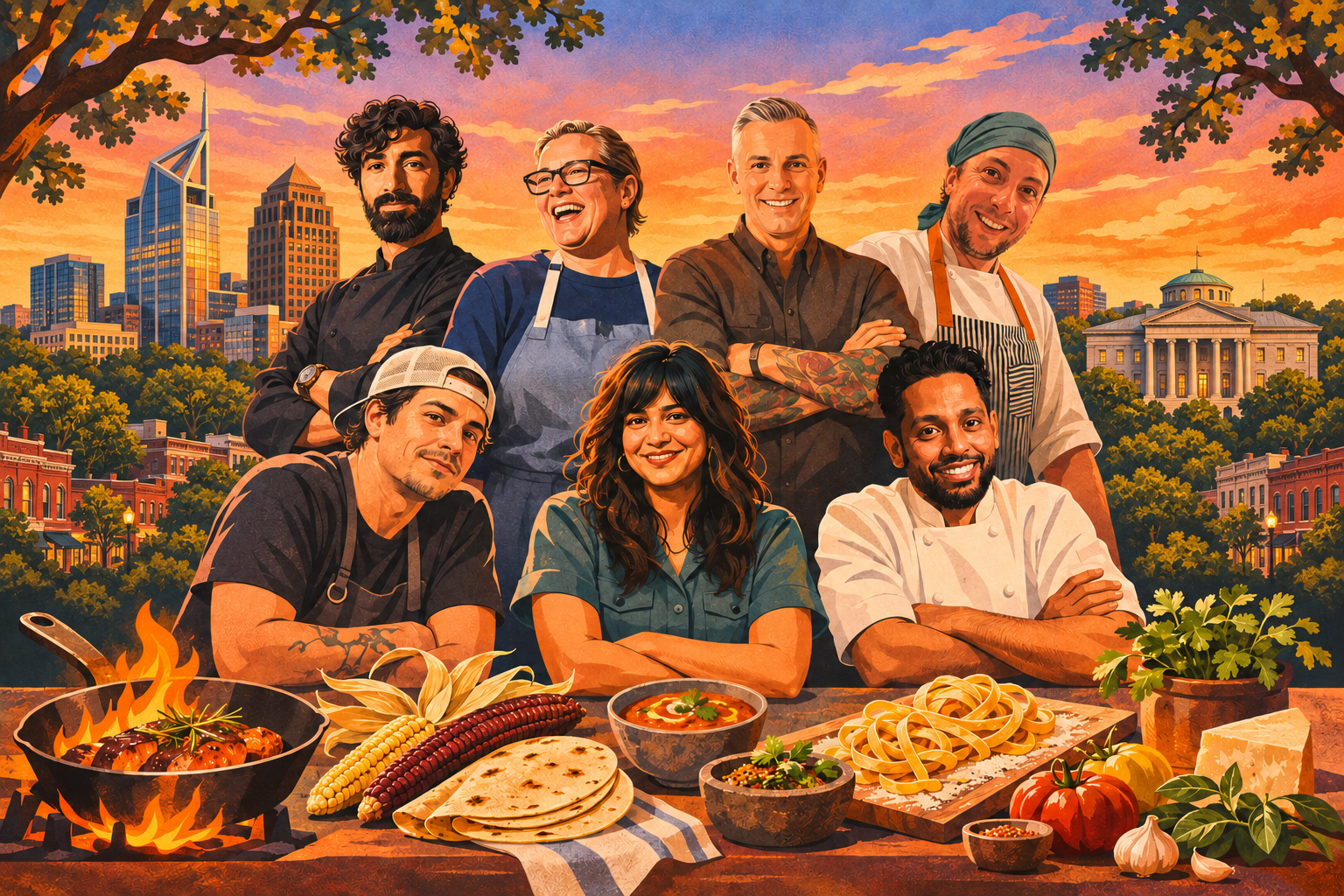
You can trace the city’s rise through many names, but we narrowed it down to seven chefs who did much to build up North Carolina’s capital. They opened restaurants that made national editors look up from Atlanta and Charleston, that convinced travelers to add a detour off I-40, that gave locals something to brag about other than barbecue. These chefs turned Raleigh into a food city worth arguing about.
Their menus look nothing alike, but the through line is ambition—the kind that forces a town to keep up. When you talk about why Raleigh’s food scene matters now, these seven chefs are a big reason why.

Bhavin Chhatwani
Tamasha Modern Indian
If you want to understand Raleigh's fascination with modern Indian cooking, start with Bhavin Chhatwani. His restaurant, Tamasha, translates traditional Indian flavors into a fine-dining format the city hadn't seen before. In 2025 he earned a James Beard semifinalist nod for Emerging Chef, and in October 2026 Michelin named Tamasha a Recommended restaurant in its American South guide.
Chhatwani treats Indian cuisine not as a category but as a toolkit—regional techniques, spice calibrations, layering of acid and heat—applied with modern precision. His menus balance the recognizable with surprise: butter chicken and kheema kaleji alongside Four Cheese Truffle Kulcha and Dum Ki Nalli Gosht, desserts that chase subtlety over sugar.

His influence comes from proving that ambition and authenticity can coexist. Tamasha opened at a time when Raleigh's restaurant scene risked becoming predictable—another steakhouse here, another Southern-lite concept there. Chhatwani reminded diners that a new generation of chefs could build identity without leaning on nostalgia. His presence expands the city's definition of “Southern,” reminding everyone that global and local aren't opposites when the cooking is this confident.

Ashley Christensen
Poole's Diner | Death & Taxes
If you trace Raleigh's modern food identity, you'll find Ashley Christensen not just at ground zero but at several high points. She launched Poole's Diner in 2007 and used that modest shotgun space to prove that comfort food could be serious and locally rooted. From there she built AC Restaurants, and today the dining portfolio comes down to two restaurants, Poole's and Death & Taxes, with Bridge Club above Death & Taxes as a private-events space.
Christensen won James Beard Awards for Best Chef: Southeast in 2014 and Outstanding Chef in 2019, but her real influence is how she made Raleigh a food city with range. Death & Taxes brought the discipline of live fire to downtown fine dining, and Poole's macaroni au gratin never leaves the chalkboard menu. In October 2026 Michelin named Poole's a Recommended restaurant in its American South guide.

Death & Taxes was a 2016 James Beard finalist for Best New Restaurant and a Food & Wine Restaurant of the Year, Eater named her its Chef of the Year in 2017, and in 2024 Southern Living named Poole's the best diner in North Carolina. She's also the author of two cookbooks, Poole's (2016) and It's Always Freezer Season (2021). Her influence isn't about empire. It's about permanence—the rare ability to open a restaurant and make the city feel more like itself.

Scott Crawford
Crawford & Son | Jolie | Brodeto | Sous Terre
Scott Crawford is the architect of Raleigh's restaurant maturity. Since opening Crawford & Son in 2016, he's built a mini-empire that manages to feel both polished and personal. Jolie followed next door, a French bistro with rooftop tables and the smell of fresh-baked bread escaping onto Person Street. Then came Brodeto, a seafood-driven Adriatic concept, and Sous Terre, a subterranean cocktail bar that gives the city the grown-up nightlife it always wanted.
Crawford's restaurants aren't flashy; they're disciplined. He builds teams, refines systems, and opens concepts that last. His 2025 James Beard semifinalist nod for Outstanding Restaurateur confirmed what Raleigh already knew—that he's the city's quiet backbone. In October 2026 Michelin named Crawford & Son, Jolie, and Brodeto Recommended restaurants in its American South guide.

The hallmark of his influence is consistency. He's shown that you can run multiple high-performing restaurants in a mid-size market without compromising quality or identity. Crawford's cooking—whether it's a perfect steak, a brodeto of monkfish, prawns, and octopus, or buttermilk fried quail—embodies a kind of calm authority. He doesn't chase trends; he sets the tone.

David Ellis
Figulina
David Ellis brought Raleigh its pasta awakening. With Figulina, he built a restaurant devoted to handmade, regionally sourced pasta in a city that once considered it an afterthought. The results have been immediate: a James Beard semifinalist for Best New Restaurant in 2025 and a packed reservation book from week one.
Ellis's background reads like a passport—raised in Stoke-on-Trent, stints in Midlands kitchens, six months in French bistros, then Australia and New Zealand before a return to England and a turn as chef de cuisine at Poole's Diner—and his plates reflect that breadth. At Figulina, he channels Italian technique through an ingredient-driven Southern lens: country ham carbonara on fresh mafaldine, Appalachian Gold gnocchi with cider-braised pork cheeks, duck-and-Stilton rotolo. The cooking is clean, exacting, and quietly confident.

In October 2026 Southern Living named Figulina its Restaurant of the Month. But Ellis's real contribution is psychological. He gave Raleigh diners permission to treat pasta as an art form, not a prelude. In a region built on slow food, Ellis made slowness modern again.
Zack Gragg
Mala Pata Molino + Cocina
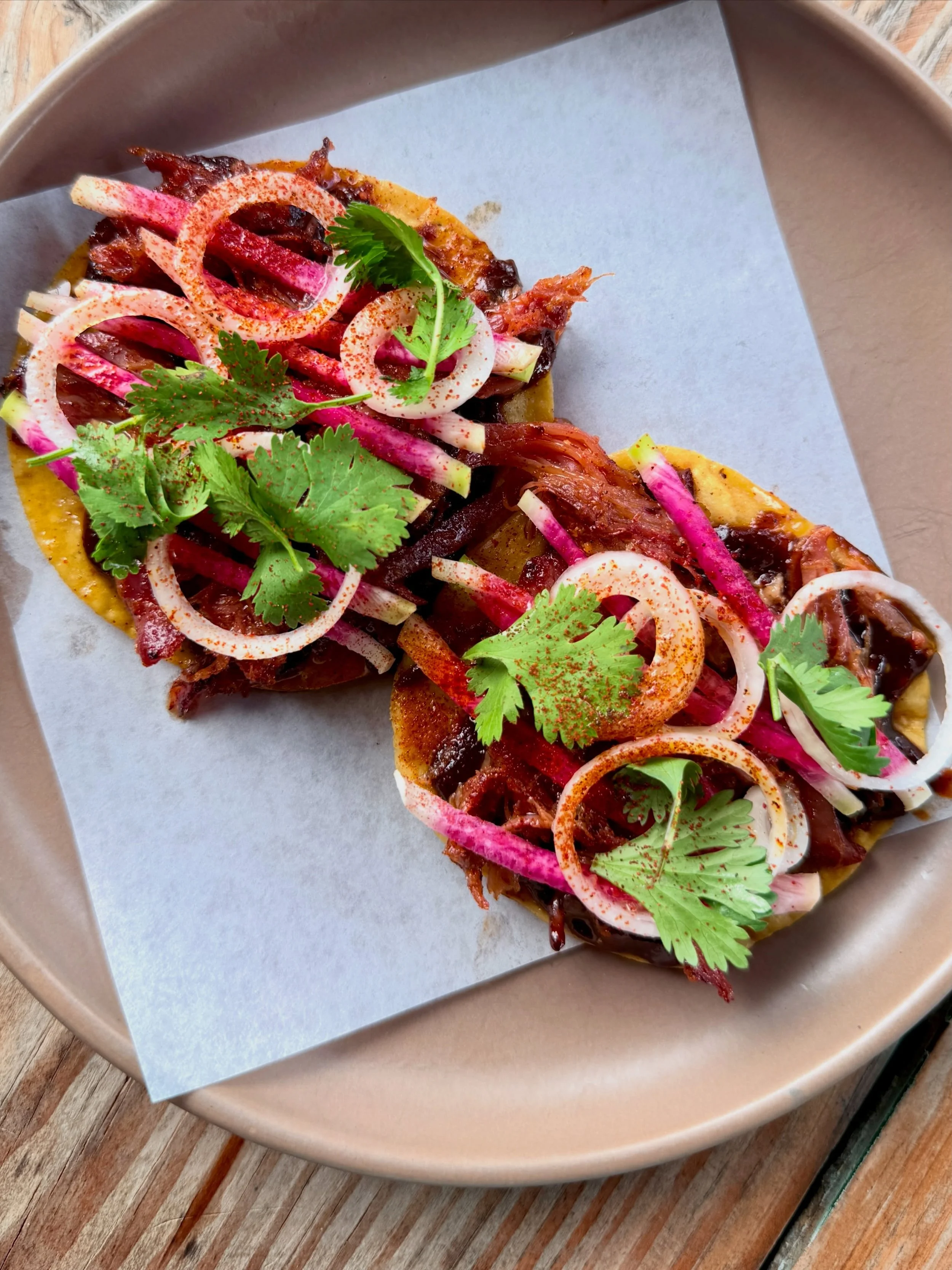
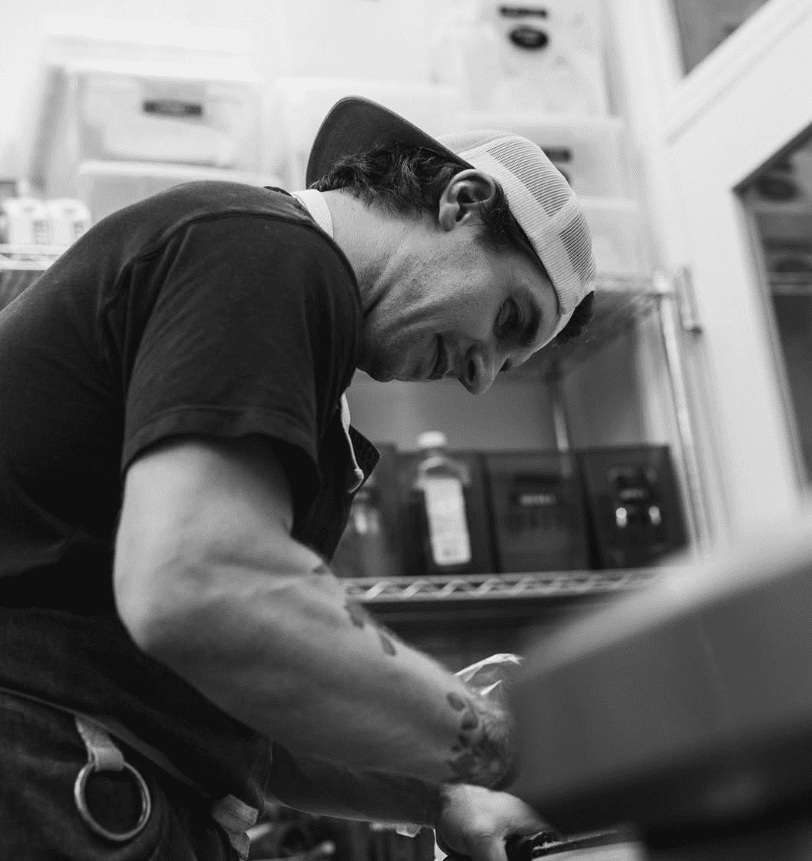
Zack Gragg considers the masa first and builds the menu around it. At Mala Pata Molino + Cocina, which opened in May 2025 in Gateway Plaza, he serves as chef of a kitchen rooted in traditional masa production: heirloom corn from Oaxaca, cooked, soaked, and ground in-house into fresh dough.
The payoff is tortillas with real corn flavor and texture, wrapped around tacos, flautas, and enchiladas, with mezcal flights and a citrusy house cocktail at the bar and tres leches to finish. We named Mala Pata the most exciting new restaurant in Raleigh, and Michelin awarded it a Bib Gourmand, the freshest Michelin-level story in Raleigh proper.
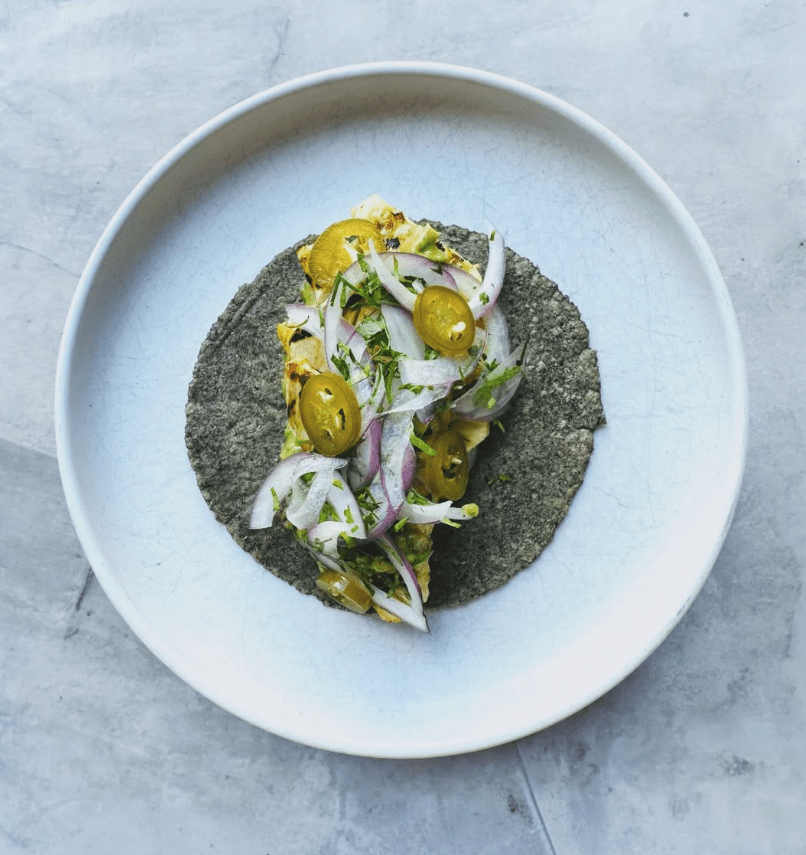
Gragg shares the credit: Mala Pata is a collective effort with co-founders including Angela Salamanca of Centro. But the masa program is the through line, and it is a flavor no other chef on this list covers. In a city whose chefs built their names on wood fire, French technique, and handmade pasta, Gragg built his on corn.

Cheetie Kumar
Ajja | Big Cat
Cheetie Kumar's return to the kitchen with Ajja was one of the biggest stories in Raleigh dining. After Garland's last regular service in August 2022, she reemerged in June 2023 with a new vision—an open-air restaurant in Five Points serving Mediterranean and Middle Eastern-inspired food that feels at once familiar and startling. Within months, Ajja landed on Esquire's 2023 list of America's Best New Restaurants, was named Eater's Best New Carolinas Restaurant and Axios's pick for Raleigh's best restaurant, and Kumar was once again in the national spotlight.
Ajja isn't a rehash of Garland. It's leaner, more focused, with dishes that show a chef in full control of her palette: skewers of grilled lamb and chicken, charred vegetables, puffy flatbread, and a parade of dips and sauces, plus whole fried Carolina Mountain trout with tamarind glaze and slow-braised short rib with green mango glaze. The flavors are layered but never fussy.

In March 2026 Kumar opened a second restaurant, Big Cat, in Raleigh's East Mordecai neighborhood, a multi-concept, day-to-night spot she runs with her husband Paul Siler, Mala Pata's Angela Salamanca and Marshall Davis, and Locals Seafood's Justin Pasfield. That September it landed on the New York Times' 2026 Restaurant List, the only North Carolina restaurant on it.
In October 2026 Michelin gave Ajja a Bib Gourmand in its American South guide, and in January 2026 Kumar was a James Beard semifinalist for Best Chef: Southeast. In 2025 The Local Palate named her North Carolina's Best Chef. Kumar's influence reaches beyond the menu. She helped define the rhythm of Raleigh dining over the last decade—one foot in rock-and-roll grit, the other in culinary rigor. Ajja proves she can still surprise a city that thought it already knew her.
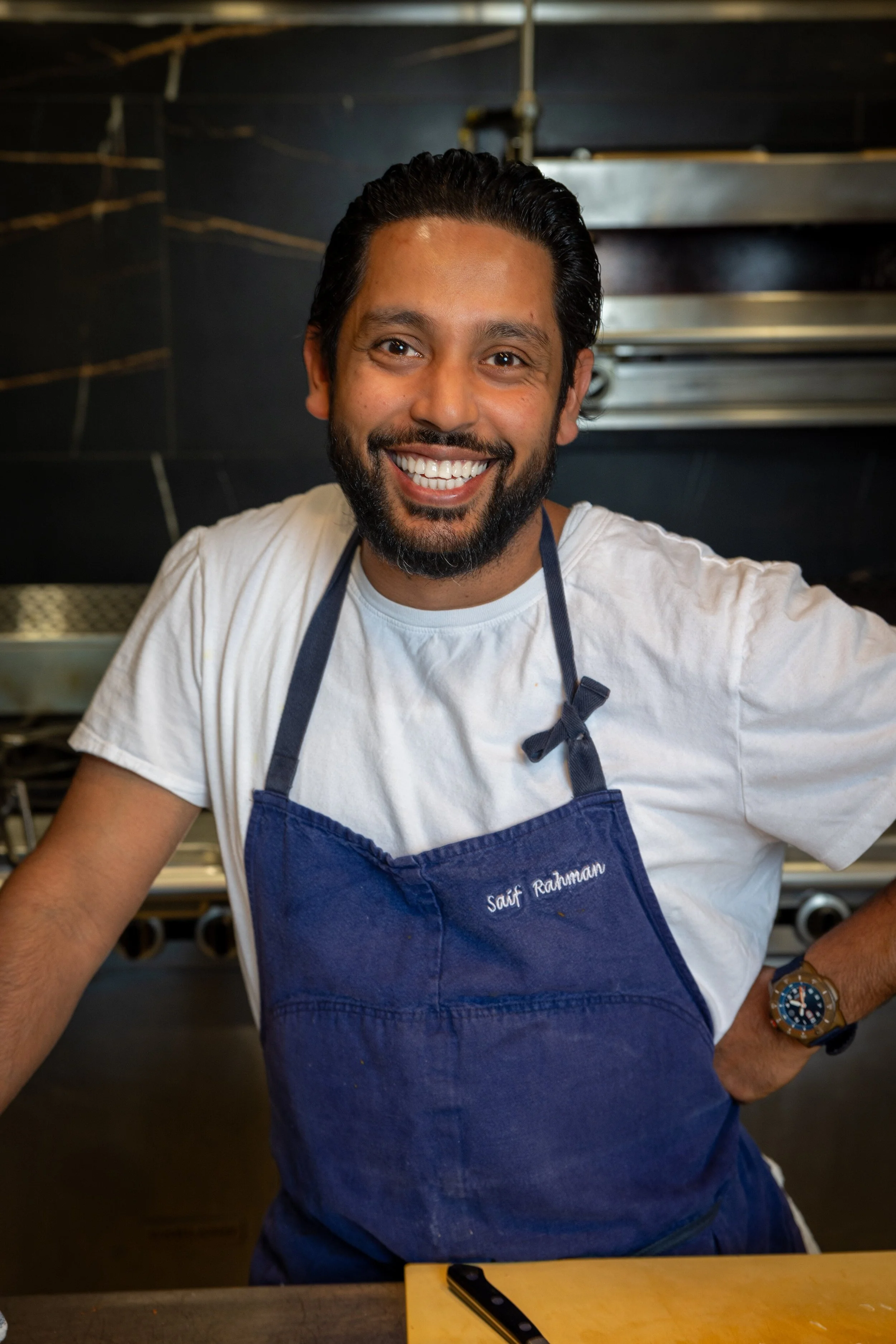
Saif Rahman
Peregrine
At Peregrine, Saif Rahman has created Raleigh's most compelling argument for what modern American cooking can be. He won the NCRLA Chef of the Year award in 2021, while cooking at Vidrio, and opened Peregrine on April 9, 2025, establishing it as a destination for precise, globally influenced food that resists easy definition.
His plates carry hints of his international background, grounded in local sourcing and classical structure. Rahman doesn't treat “fusion” as a buzzword; he treats it as fluency. Recent menus have run Bengali Wedding Chicken, Sunburst Trout, Saigon Goat Noodles, and tuna crudo tiradito, each belonging to the same language of balance and restraint.
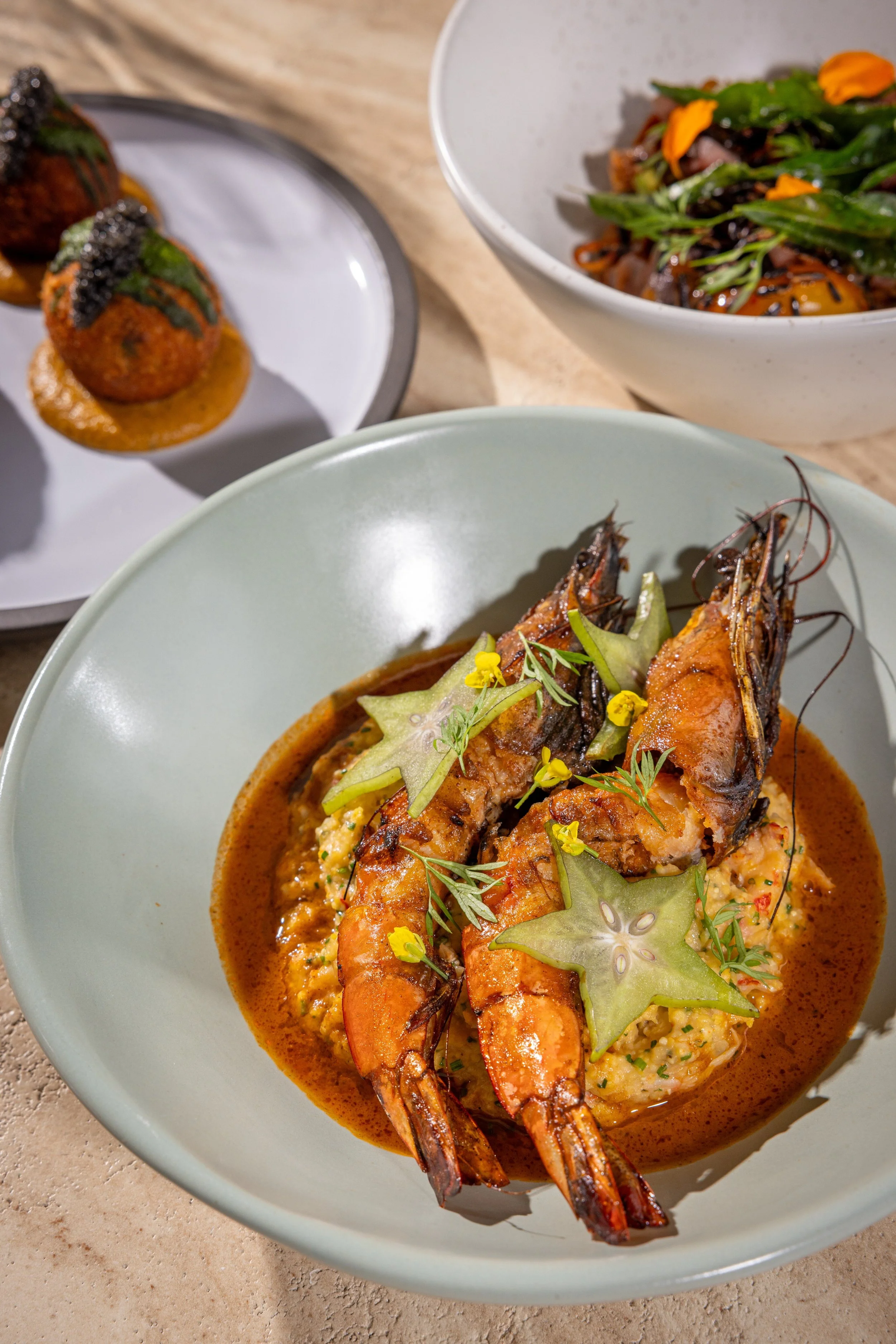
In January 2026 Peregrine was a James Beard semifinalist for Best New Restaurant. Rahman's influence lies partly in how many chefs now cite him as proof that ambition doesn't require leaving Raleigh. Peregrine feels urbane without being imported. It suggests that this city can be cosmopolitan on its own terms.
The Bull City Knows Its Way Around Dinner
Durham’s best restaurants include nationally recognized chefs, exceptional neighborhood standards, and reservations worth planning ahead.


The Best Restaurants in Olympia, Where the Oysters Get the Final Say
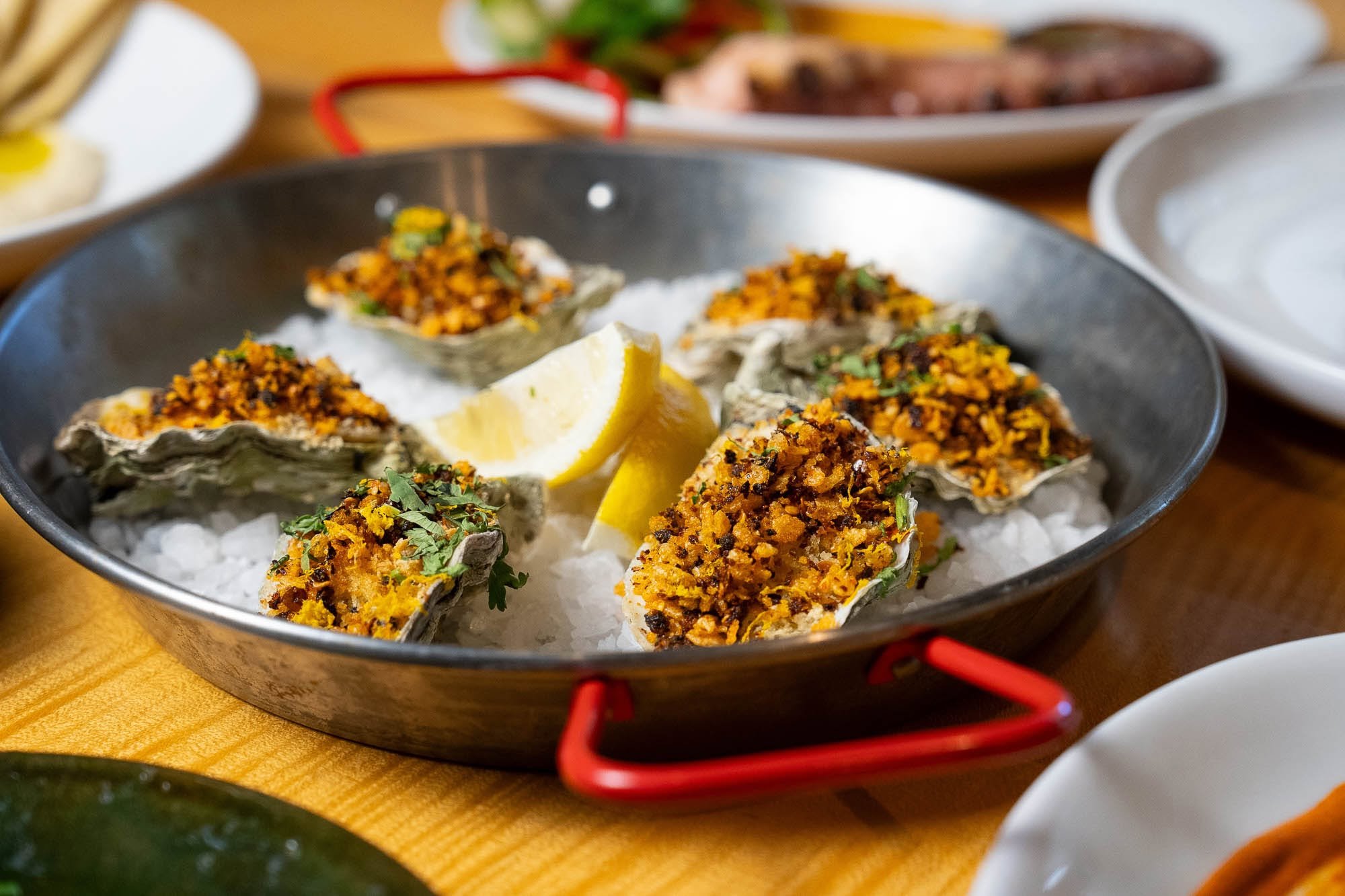
In Washington’s capital, South Sound shellfish, family recipes, and a wave of new restaurants give downtown plenty to talk about.