
AUTHOR BIO: Mei Chen has worked for nearly a dozen start-ups in as many years, taking her to several West Coast cities. While she’s sure her current day job is permanent, she also has her eye on Carmel.

Hajime Sato could have returned to Seattle. Instead, the sushi chef landed in a Beaverton shopping center between a yarn store and a boba shop.
That address is now home to Sazanami, Sato’s 14-seat restaurant devoted to sustainable seafood and a more conversational version of omakase. Reservations are required, diners must be 21 or older, and the meal extends well beyond a procession of nigiri.
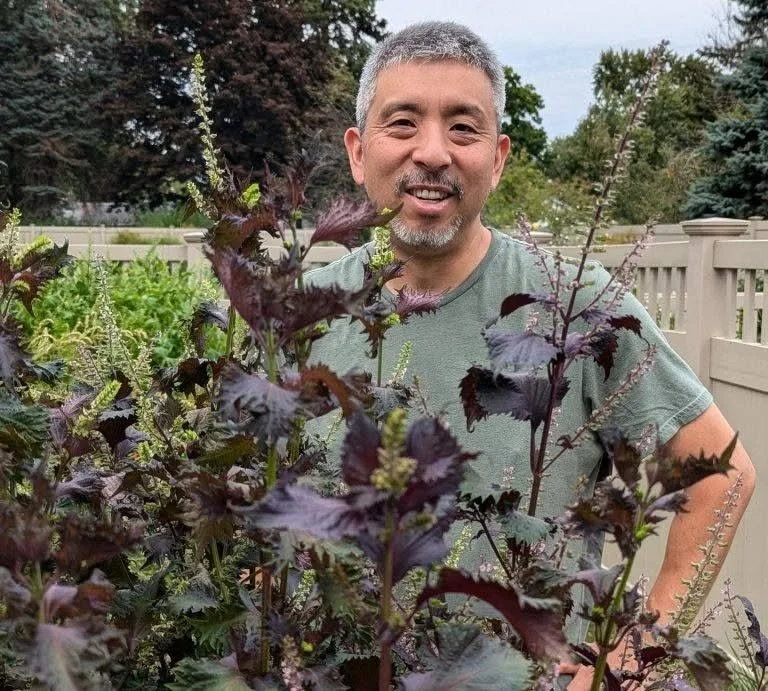
Hajime Sato
Sato has spent much of his career reconsidering what belongs on a sushi counter. Born in Japan, he first came to the United States as an exchange student in Coeur d’Alene, Idaho. He later moved to Seattle and opened Mashiko in 1994. In 2009, it became one of the first American sushi restaurants to commit entirely to sustainable seafood, removing familiar ingredients including bluefin tuna, freshwater eel, and farmed Atlantic salmon.
When Sato left Seattle in 2019, he sold Mashiko to several longtime employees. He moved to Michigan and opened Sozai in suburban Detroit, where Midwestern fish became part of his answer to sushi’s habit of flying seafood across oceans. The restaurant earned national acclaim, and Sato won the 2024 James Beard Award for Best Chef: Great Lakes.
Sato closed Sozai in 2025 and headed west again. Returning to Seattle would have meant competing with the employees who now own Mashiko. “That’d be kind of rude, right?” he told Eater.
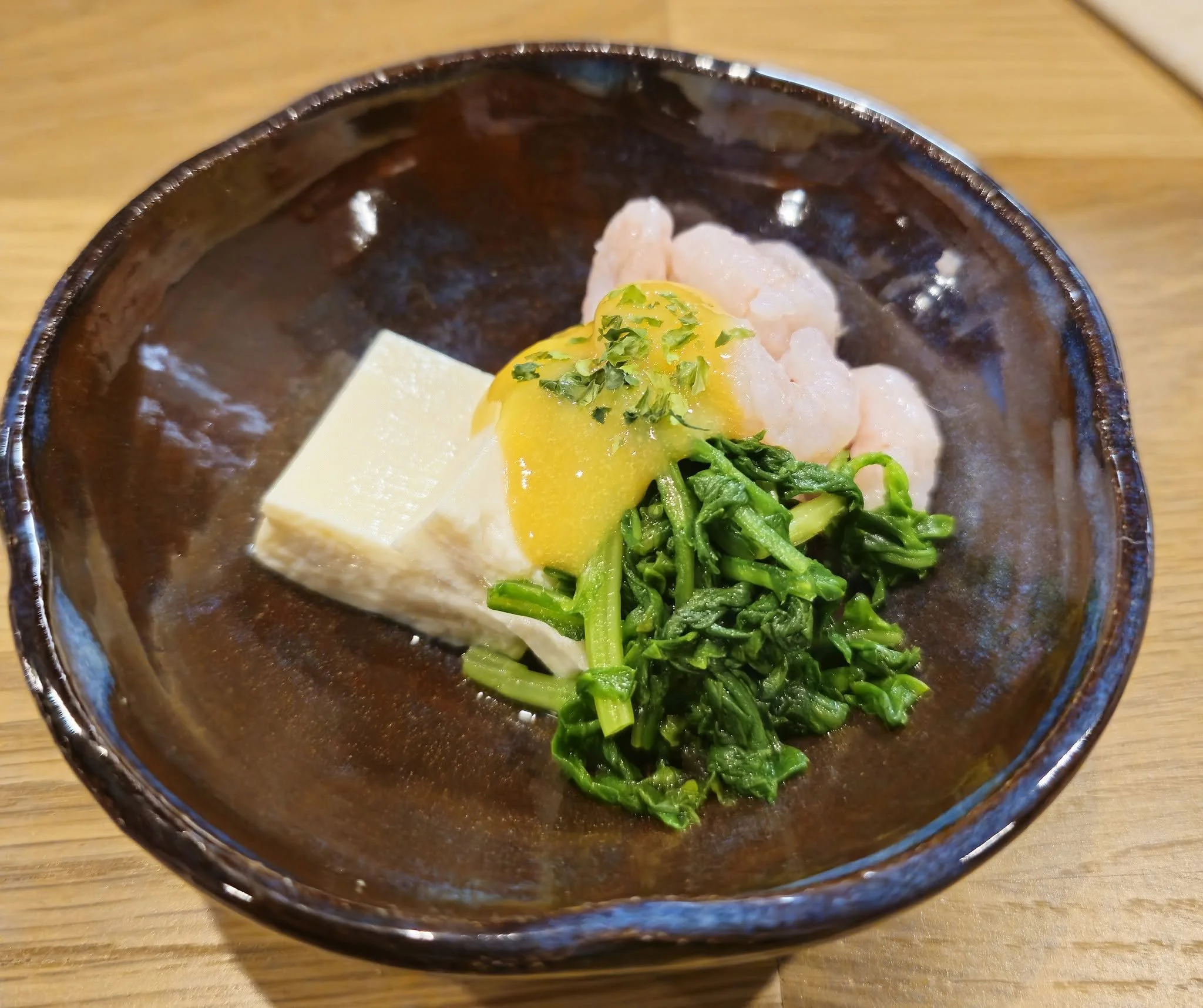
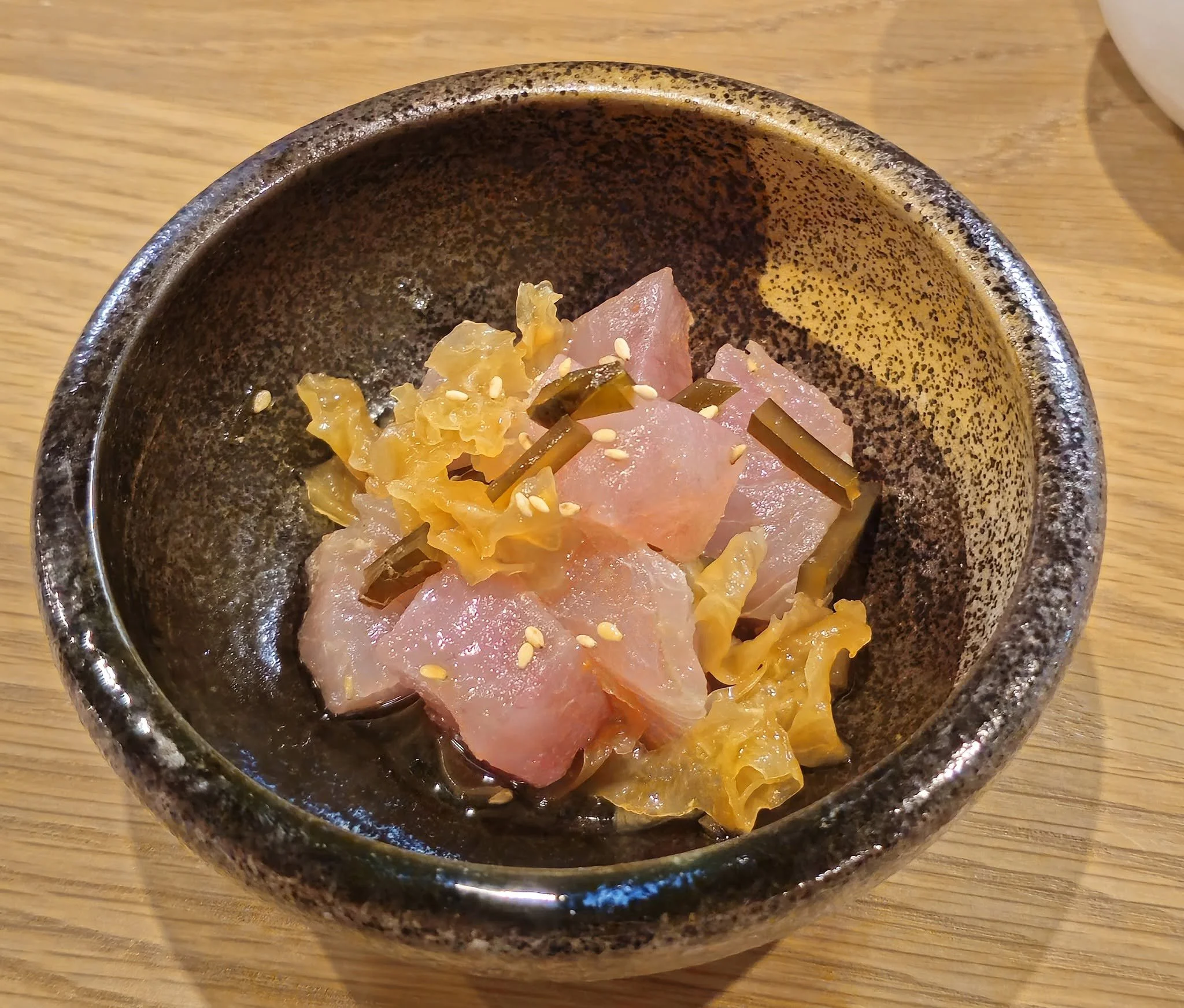
At Sazanami, Oregon provides much of the pantry: sea urchin, petrale sole, salmon, albacore, black cod, Dungeness crab, spot prawns, oysters, clams, and locally grown wasabi. Sato also hopes to serve invasive green crab.
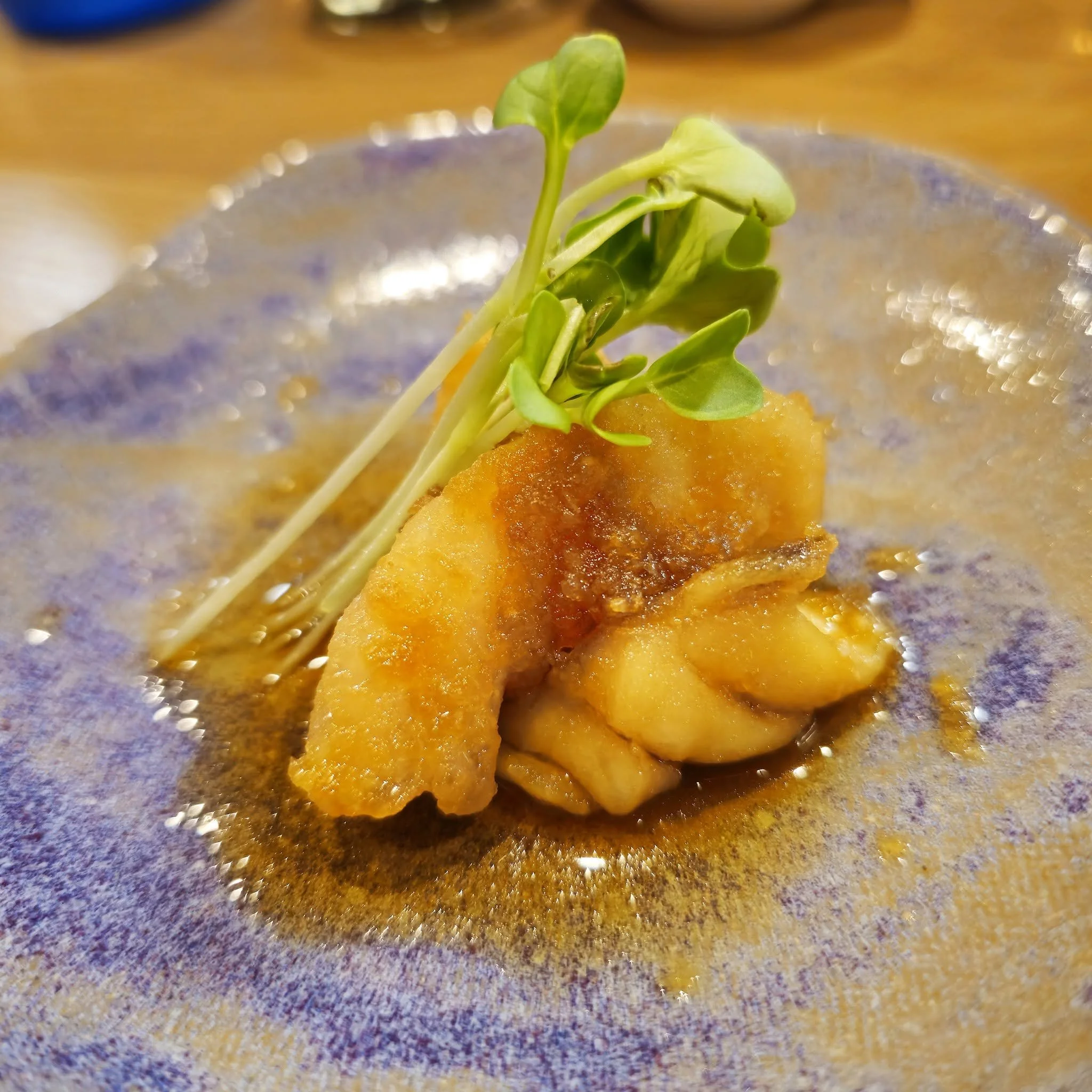
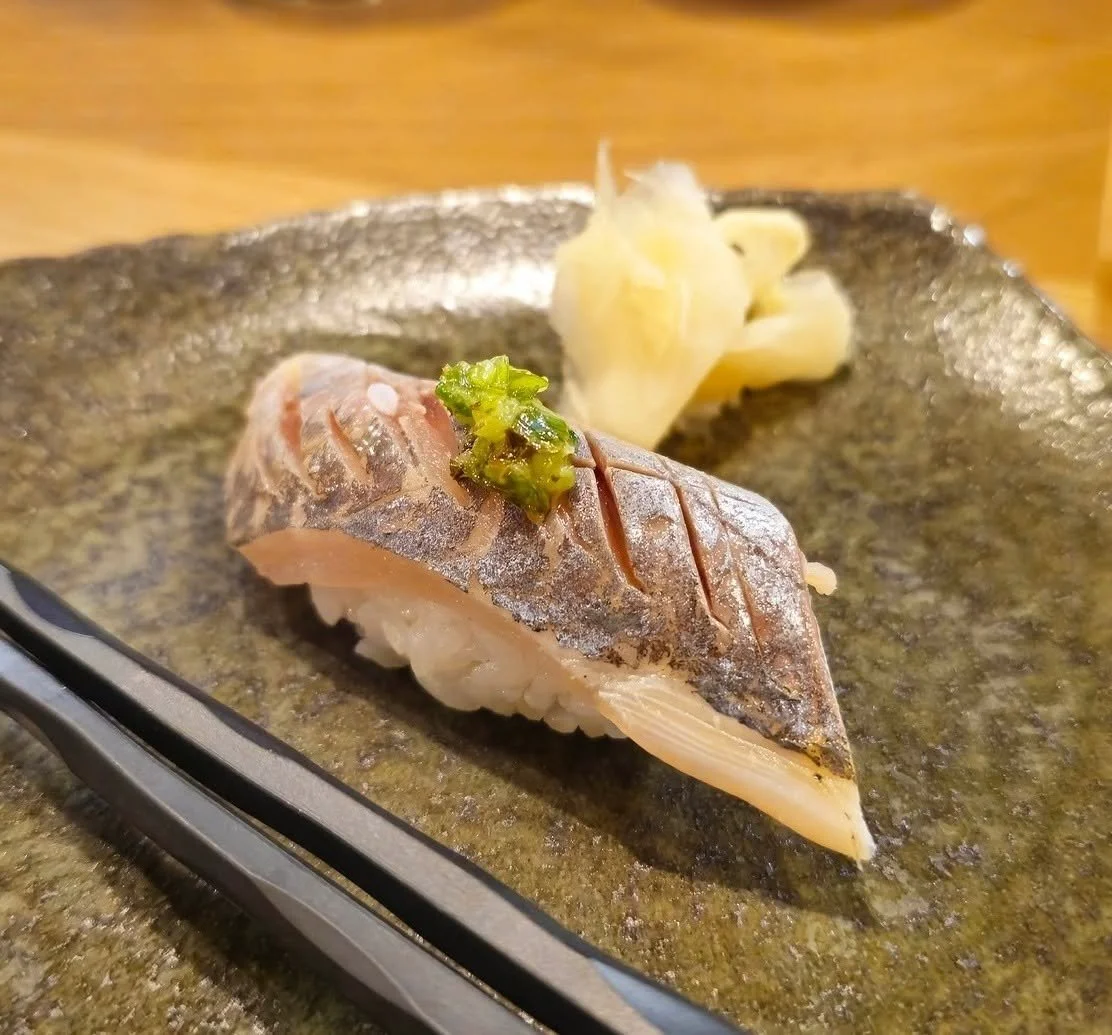
The nine-course chef’s-choice menus include sushi, sashimi, and cooked dishes. Two pescatarian options are priced at $170 and $200, while a vegan menu costs $140. Sato describes the format as kappo-style: the chef talks with diners, watches how the meal develops, and adjusts accordingly. That separates it from tasting menus that borrow the word omakase while deciding every course in advance.
Sazanami means “ripples” in Japanese. From an Oregon suburb, Sato is once again seeing how far one sushi counter can send them.

Chef Josh Rogerson uses memories from a childhood in Italy to build his new restaurant.
By MARIA RODRIGUEZ