CHEF PROFILES | NEW YORK
Rethink Food Is Rewiring How Restaurants Feed People—Here’s the Chef Who Started it All
By Eric Barton | March 18, 2026
AUTHOR BIO: Eric Barton is editor of The Adventurist and a freelance journalist who has reviewed restaurants for more than two decades. Email him here.

At Eleven Madison Park, Matt Jozwiak had reached the kind of kitchen that serves as a finish line for most chefs. This was the summit, the place where a line cook can earn the experience to land most any head chef gig. All the years of burns, ego checks, and 14-hour shifts would pay off. But instead of simply enjoying the view, he started looking at what was getting left behind.
It was not as though Jozwiak had one cinematic moment on the line that changed everything. The idea came more slowly, building over time as he considered how the industry wasted extraordinary amounts of food that could have ended up in the right hands. “I’m trying to understand,” he told me, “how we can produce so much food and still have so many people without access to it.”
That question became Rethink Food, the nonprofit Jozwiak founded in 2017, built around an idea that now seems both obvious and maddening: restaurants already have the staff, equipment, and skill to feed communities, so why not make them part of the solution to hunger?
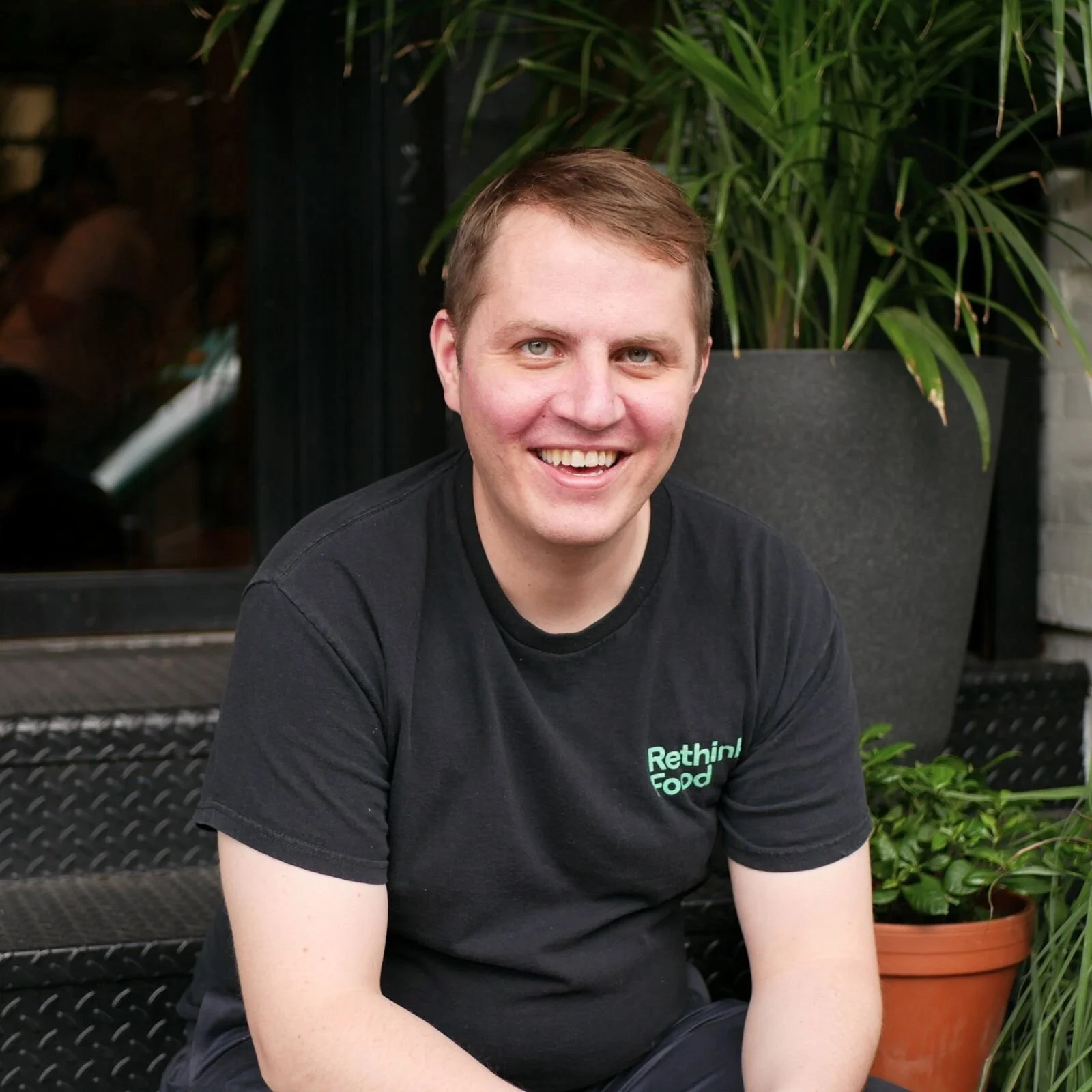
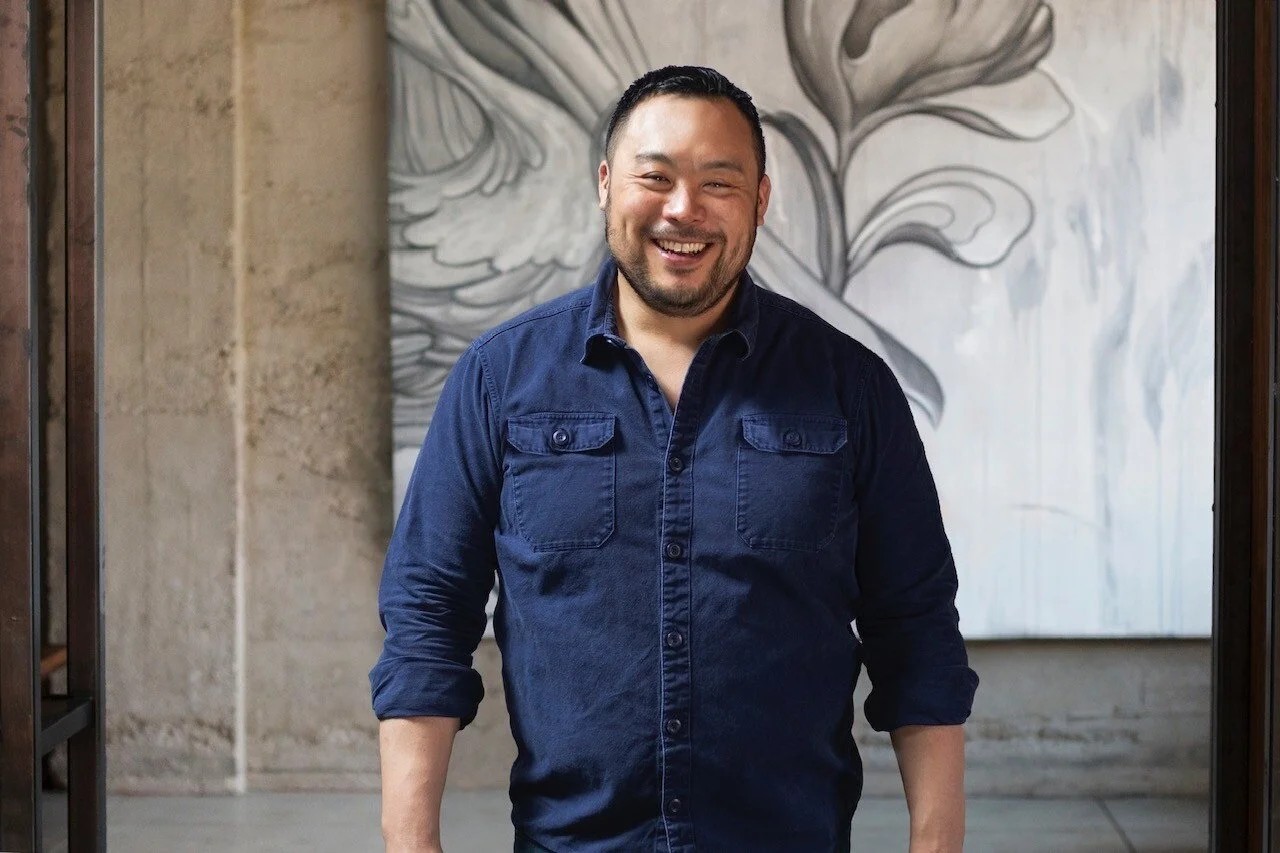
Jozwiak
What began as a way to redirect what would’ve been wasted food into the hands of those who need it has grown into a national organization that has delivered tens of millions of meals, partnered with major chefs and restaurants, and pushed policy changes.
He did not come to this point as some grand plan for his life. Jozwiak grew up in Kansas in a family that valued hard work. “There was no sense of entitlement, just a clear understanding that if you want to change your circumstances, you put in the work,” he said.
He started in the industry out as a dishwasher before working his way through some of the most serious kitchens in the world. He trained with Pierre Orsi in Lyon, spent time at Auberge de L’ile Barbe, The NoMad, and Eleven Madison Park. Jozwiak absorbed the particular culture of fine dining, where precision is religion and even the smallest mistakes are scrutinized. “Working in high-level restaurants was transformative,” he told me. “Those kitchens are built around precision, excellence, and hospitality at the highest level.”
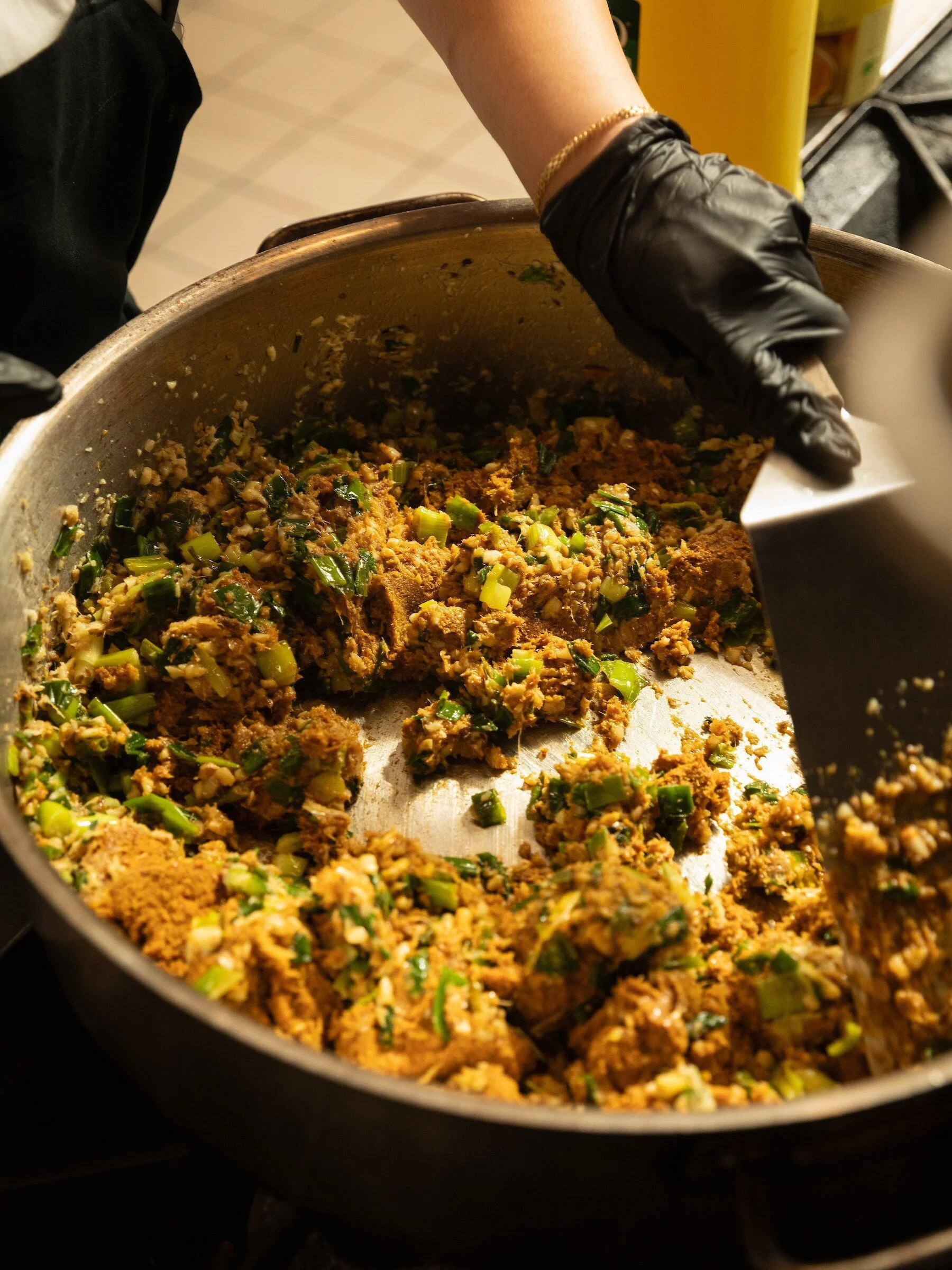
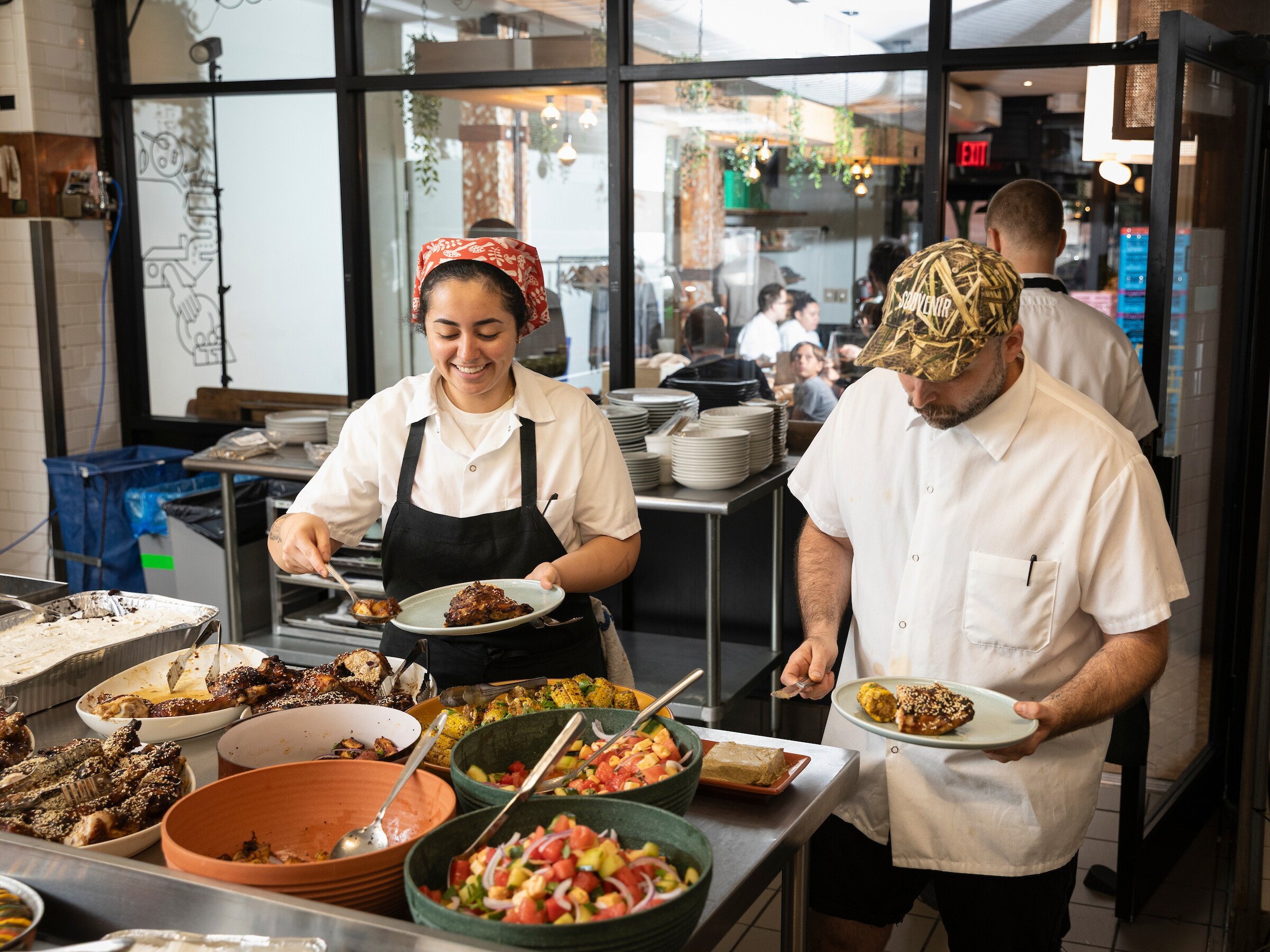
He also saw the contradiction sitting right there in front of him. “I saw firsthand the incredible care and craft that goes into every dish, and at the same time, how much perfectly good food didn’t make it onto the plate for aesthetic reasons, overproduction to ensure perfection, or surplus from events. It wasn’t malicious. It was structural.”
That word matters: structural. Jozwiak does not talk like a man interested in making anyone feel guilty about food waste. He talks like someone interested in systems, which is probably why Rethink Food has moved into the more difficult business of building repeatable models. He is less interested in a single generous act than in making generosity practical.
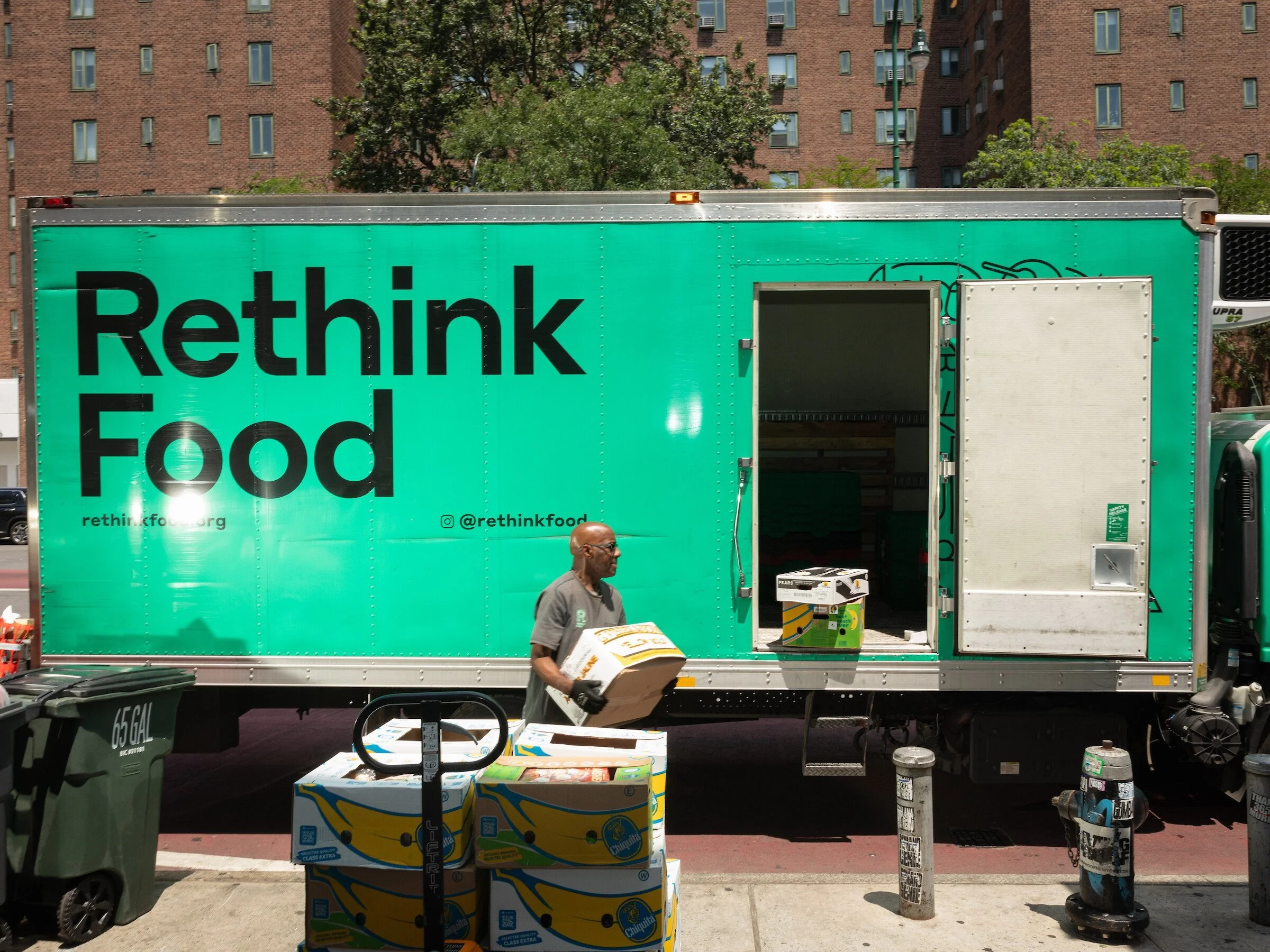
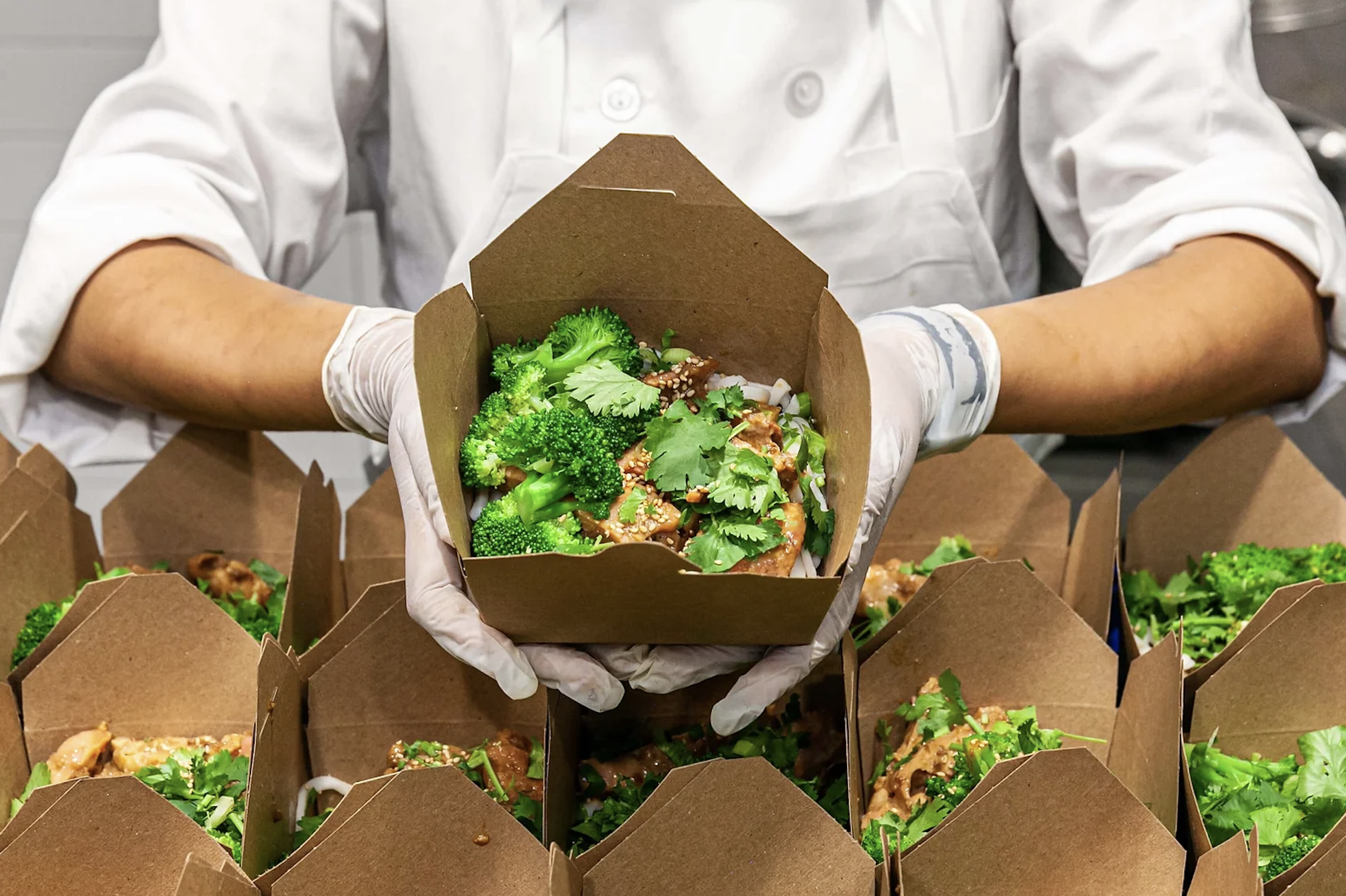
On a practical level, Rethink Food works like a piece of missing infrastructure. It links restaurants with community groups by paying restaurants to cook meals as part of their normal operations and then routes those meals through local organizations already feeding people in need. After starting in New York City, it expanded to Miami in 2021 and plans to expand to Chicago soon, with other cities coming.
Expansion isn’t easy. When challenges come, and in nonprofit work they come constantly, Jozwiak goes back to a simple foundation: “Stay grounded, focus on solutions, don’t dramatize the problem. You just keep moving forward.”
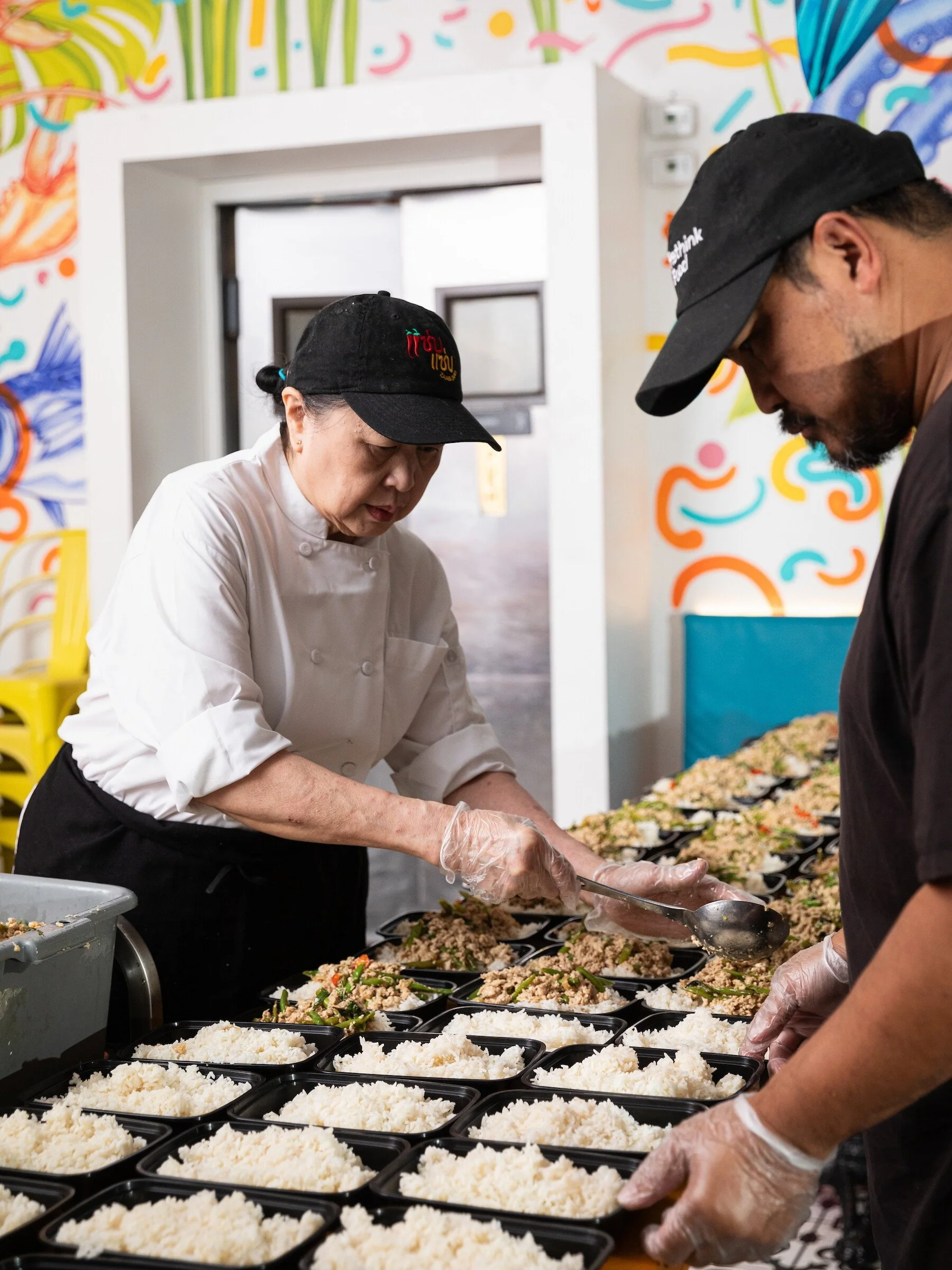
That same mentality lives inside his personal motto: “It’s not that hard.” He is not being glib. He means that hard things become manageable when somebody stops focusing on the problem and starts building a fix. Asked what he thinks about the organization delivering more than 35 million meals, he pointed to the machinery underneath it. “The meals are the outcome,” he told me. “The system is what makes the impact possible.”
That is the real story of Matt Jozwiak. He took the discipline kitchens teach best, urgency, repetition, and the refusal to waste what is right in front of you, and then he turned it into a nonprofit that made restaurants useful in a whole different way.
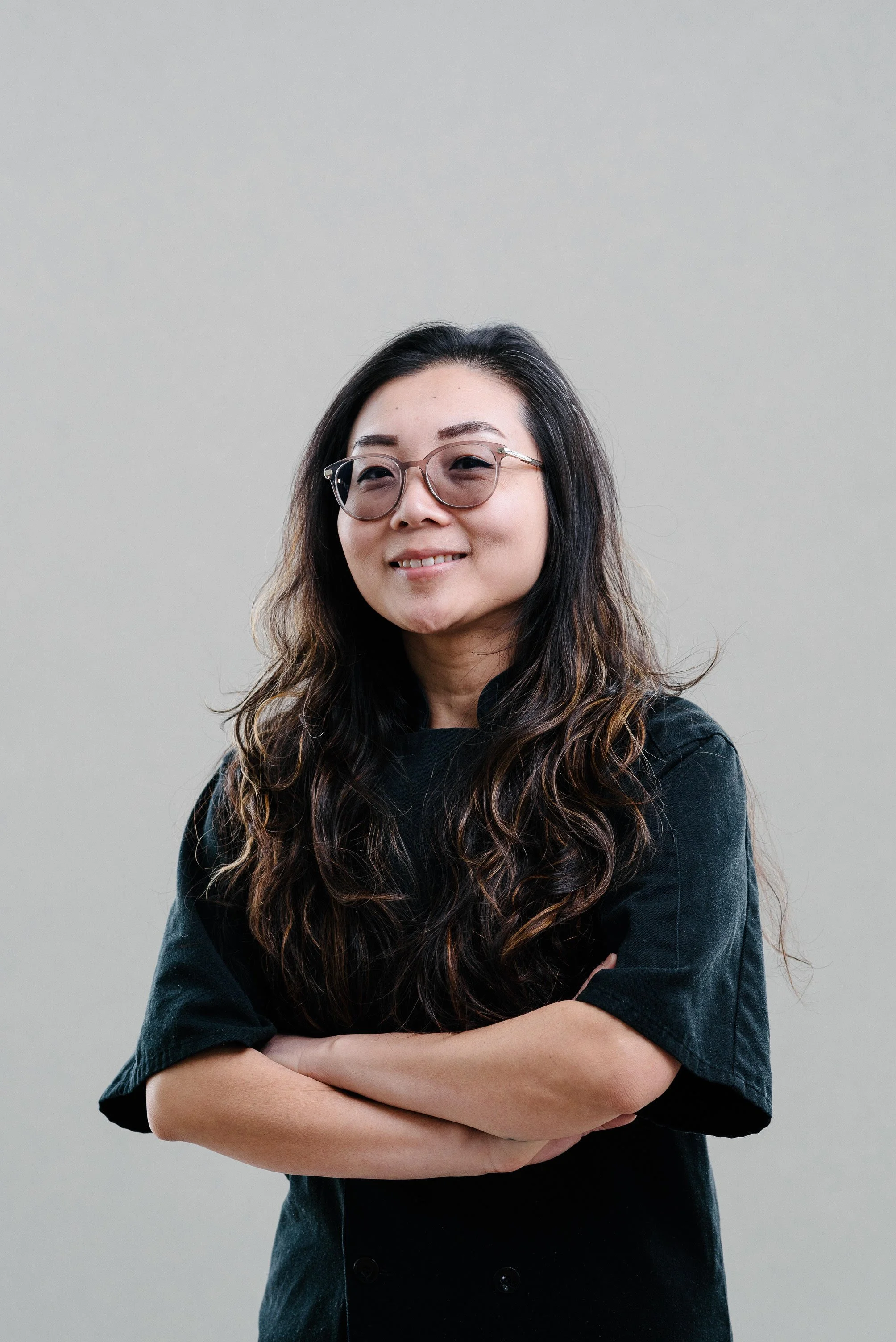
Liu Fang: The Chef Who Turned Homesickness Into a Menu
A lifetime of hard-won reinvention became a dumpling pop-up. Then she turned it into one of Cleveland’s most exciting restaurants.
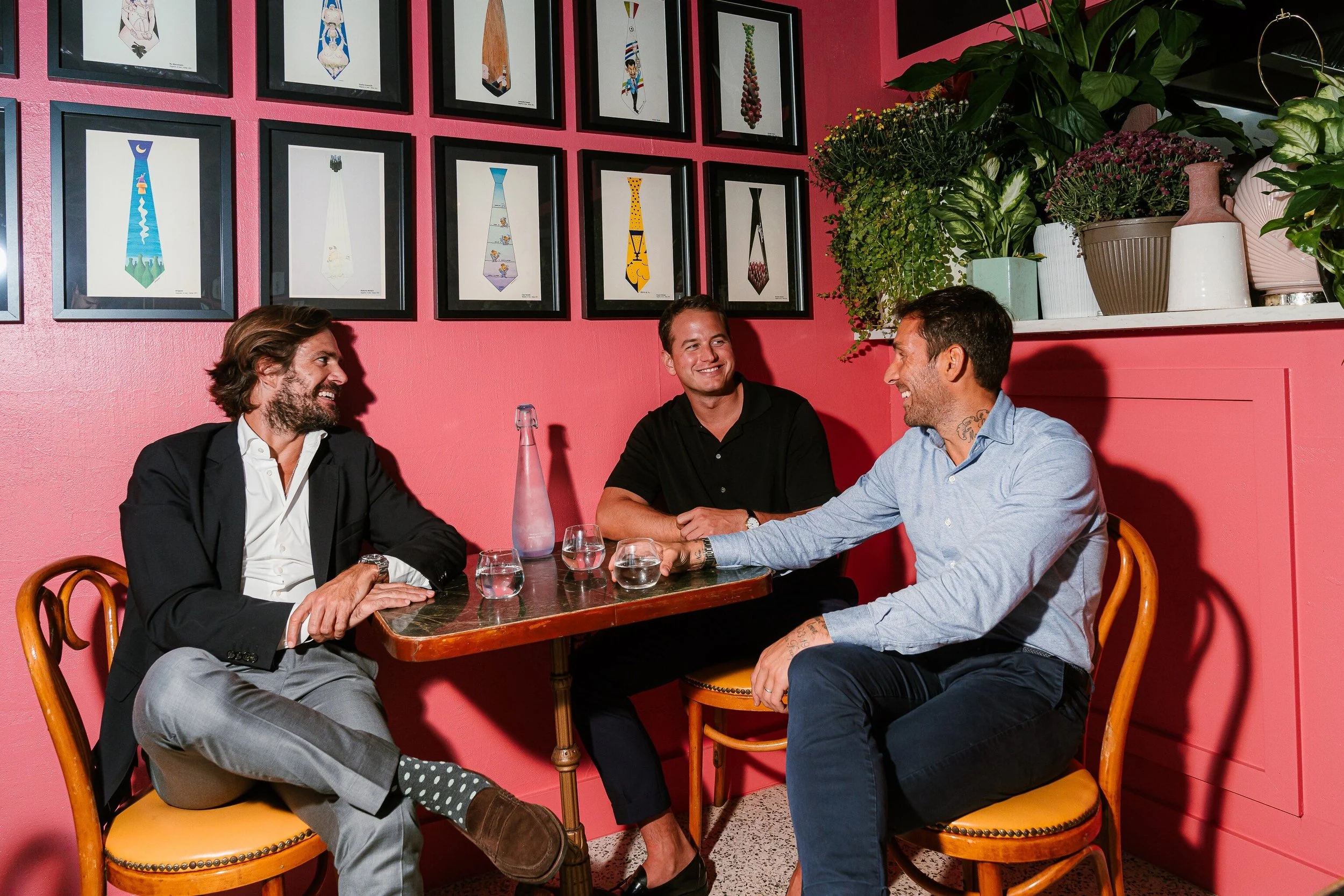
Best of Maine: Restaurants, Hotels, and Hot Portland Spots Worth Knowing
There is the postcard version of Maine, and then there is the version with better dinners, better stays, and a reason to keep driving up the coast.