By Eric Barton | Jan. 18, 2026
AUTHOR BIO: Eric Barton is editor of The Adventurist and a freelance journalist who has reviewed restaurants for more than two decades. Email him here.

Hassan Obaye left Morocco with the kind of memories that do not fit neatly into a chef bio: bread in the oven before sunrise, tagines breathing out spice over coals at night, and the daily choreography of a family that measured all things in servings.
Obaye grew up in the tiny town of Agadir in a household of Amazigh, the indigenous tribe of North Africa that fondly call themselves the "free people.” In his household, food was less a topic than a constant: how people gathered, how they welcomed you in, how they made ordinary days feel structured and shared.
Those early lessons still show up in his work now, even if the setting has changed completely. Obaye is the national culinary director for Le Colonial, a role that asks him to run seven restaurants, from Denver to Naples. The goal is to keep them all moving in the same direction without turning them into copies of each other. It is part standards, part teaching, part logistics, and part taste, an ongoing effort to make sure “French-Vietnamese” reads like a real cuisine on the plate rather than a concept on a website. The job also makes him an unusual kind of chef: one whose signature is not a single dish, but the consistency of many kitchens.
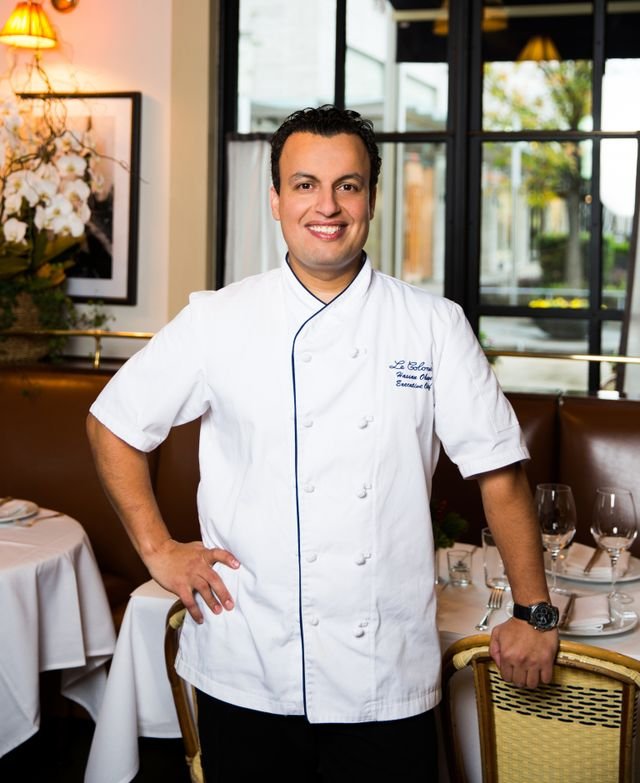
Hassan Obaye
Before any of that, there was his grandparent’s farm, where he spent much of his childhood. “We grew nearly everything we ate,” he says. “Nothing was rushed, nothing was wasted.” Food was something you nurtured and respected and had to wait until it was ready. His grandfather clocked the obsession with food early on. “He would often watch me come home from school, immediately reach for a piece of freshly baked bread, some homemade cheese, or a handful of olives, and sit down completely absorbed in the moment.”
The early romance of food came with limits. “We come from a modest background in a rural part of Morocco, so financial and social obstacles were a part of life.” The idea of leaving that place for anywhere else was far from inevitable, and he bought second-hand language books and listened to radio broadcasts to teach himself new languages.
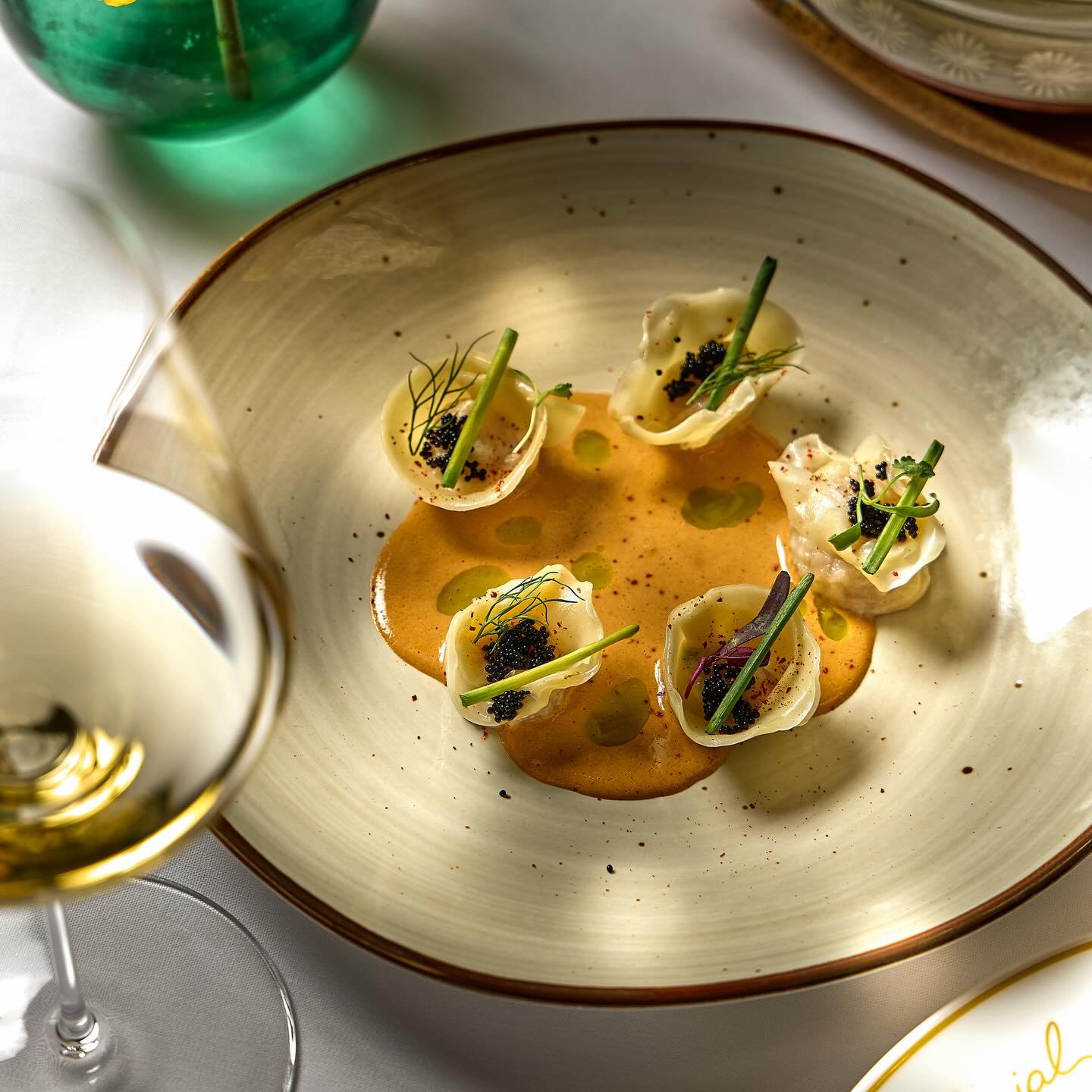
Shrimp and lobster dumplings
The first person to give that drive a home was his mother, “the maestro of the kitchen. Starting when he was about 10 years old, he was there, nightly, helping her prep meals for their family of eight. Chopping onions, washing vegetables, grinding spices in a mortar, all of it became lifelong habits learned when he could barely reach the counter. “My mom encouraged this curiosity – she would say, ‘Taste this, tell me what’s missing,’ and in doing so she trained my palate from an early age.”
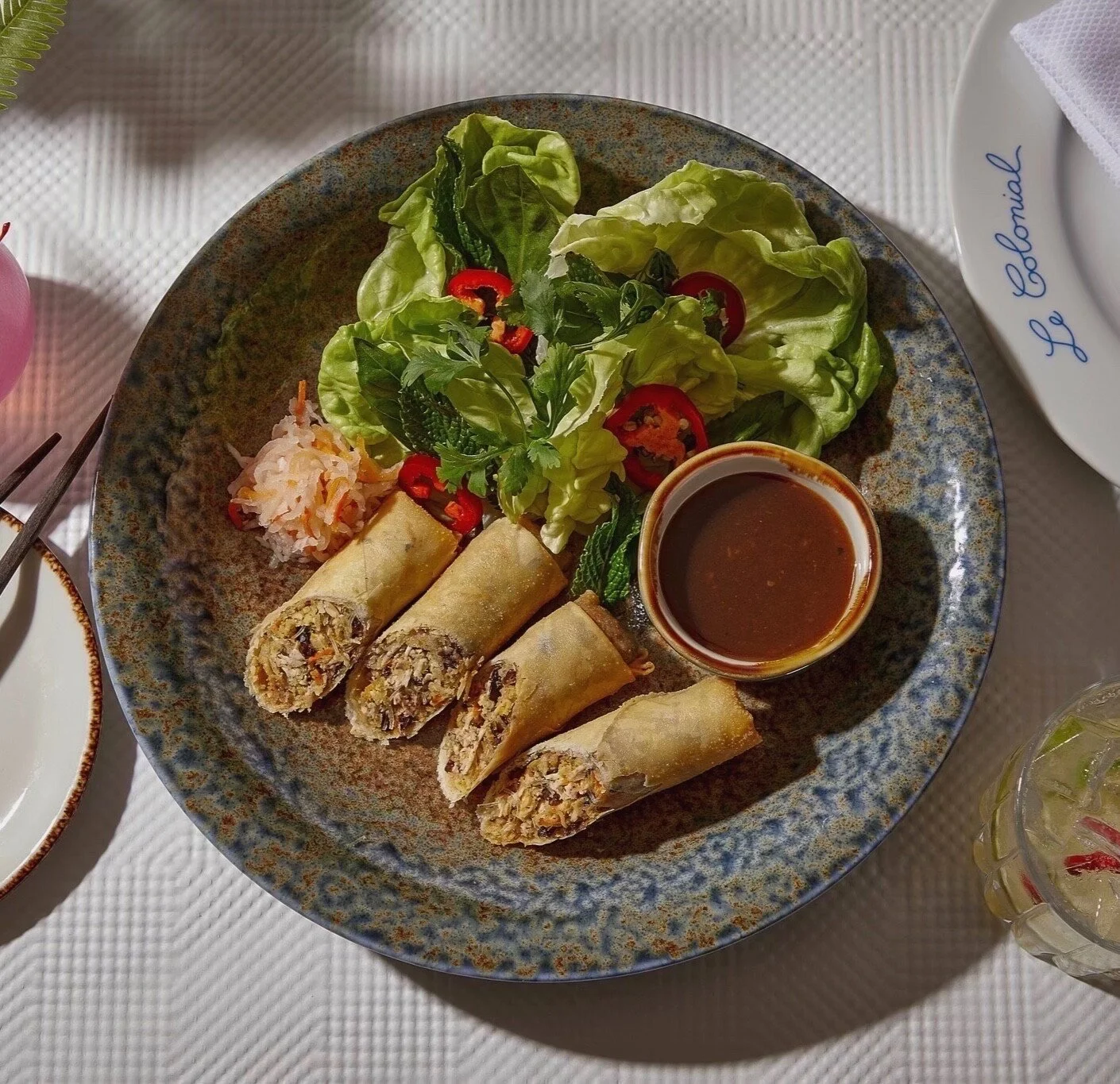
Crispy vegetable roll
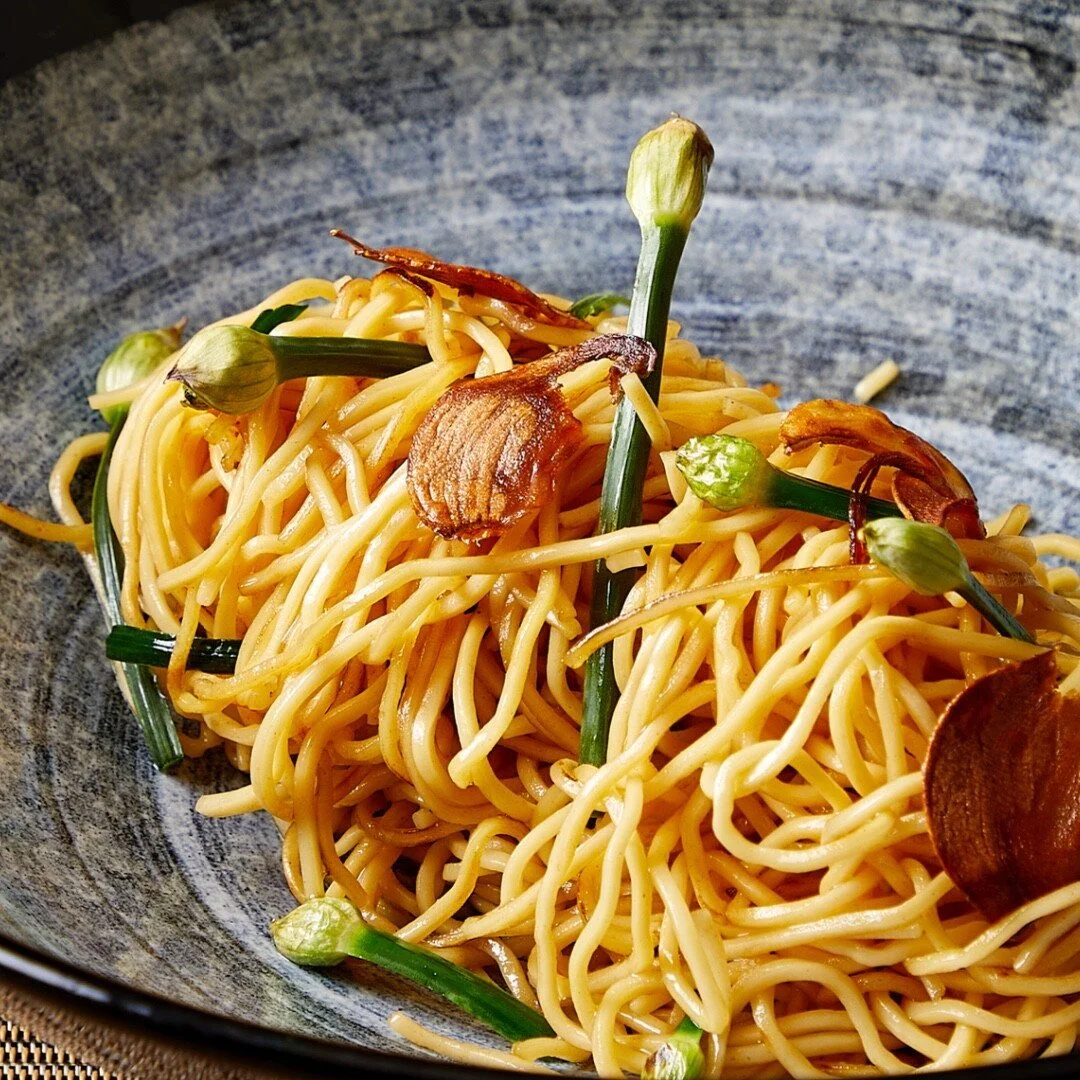
Garlic noodles
By his mid-teens, the work started looking like a future. When he was 14, his aunt asked for his help catering a wedding. Obaye loved the scale, the exhaustion, and the payoff. “On the wedding day, I saw the guests enjoying the food I had helped make, the happiness and celebration around those dishes, and I felt this incredible sense of accomplishment.”
He left for France, and that sharpened everything. “Stepping into a French kitchen for the first time was like entering another universe.” He remembers the sensory chaos, but what stuck was the discipline. A chef looked at his station and delivered a line that never stopped being useful: “If your station is chaotic, your food will be too.” Obaye still carries that voice, along with another kitchen law he repeats like a warning flare: “You’re only as good as the last plate you sent out.”
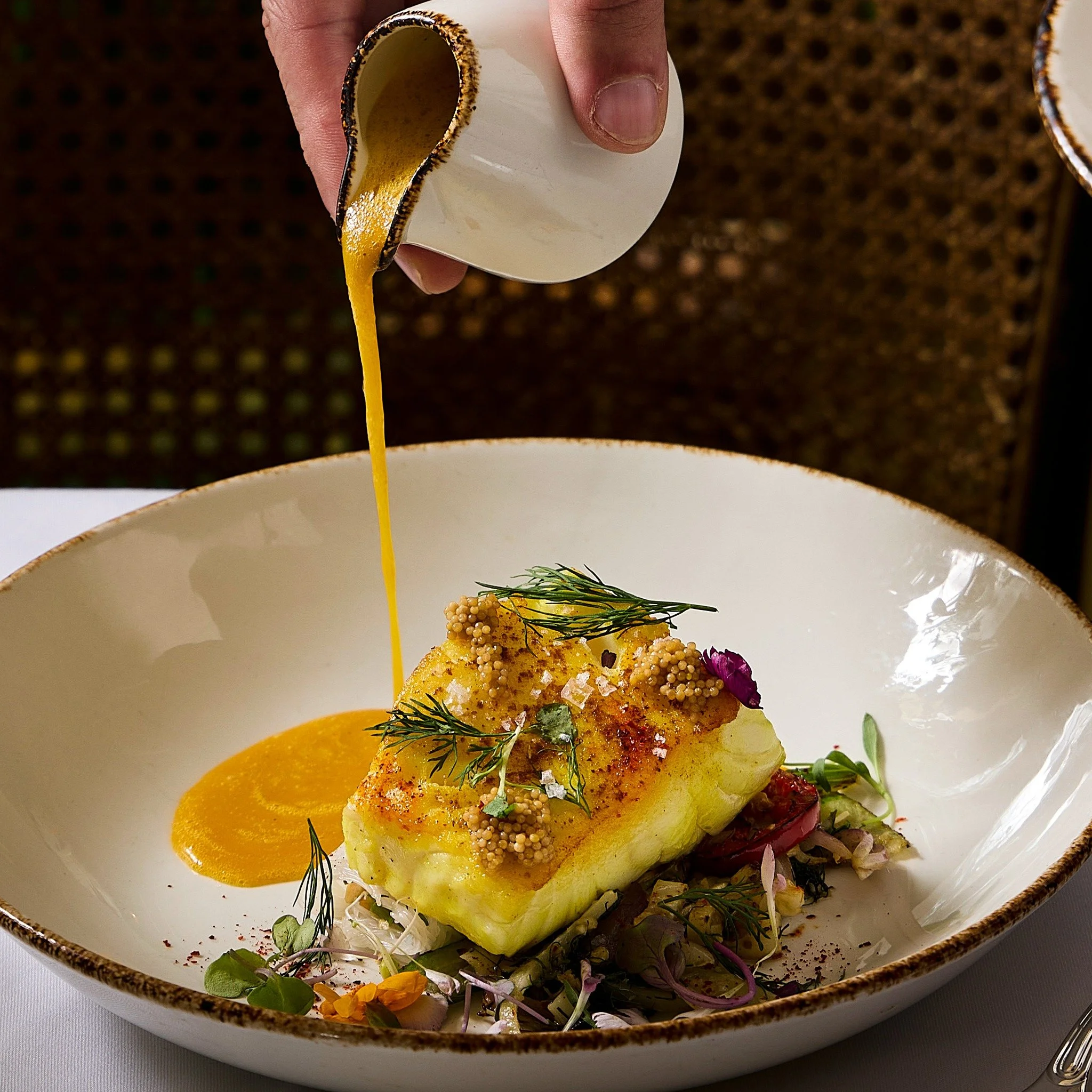
Seabass with la vong scent
Obaye returned to Morocco and opened his own restaurant in Tangier. Then he heard about the Disney Culinary Program, applied, and suddenly he was planning a move to America. “I had proven to myself that I could run a kitchen in Morocco,” he says. “Now I wanted to see how I would fare in a completely different culture and high-volume setting.”
After Disney, Obaye kept building the American version of his résumé the way most chefs do: one demanding kitchen at a time, collecting systems and standards, learning what a luxury hotel expects versus what a dining room with real critics expects. He landed in Houston and moved through high-expectation restaurant and hotel work, absorbing the particular discipline of service at scale.
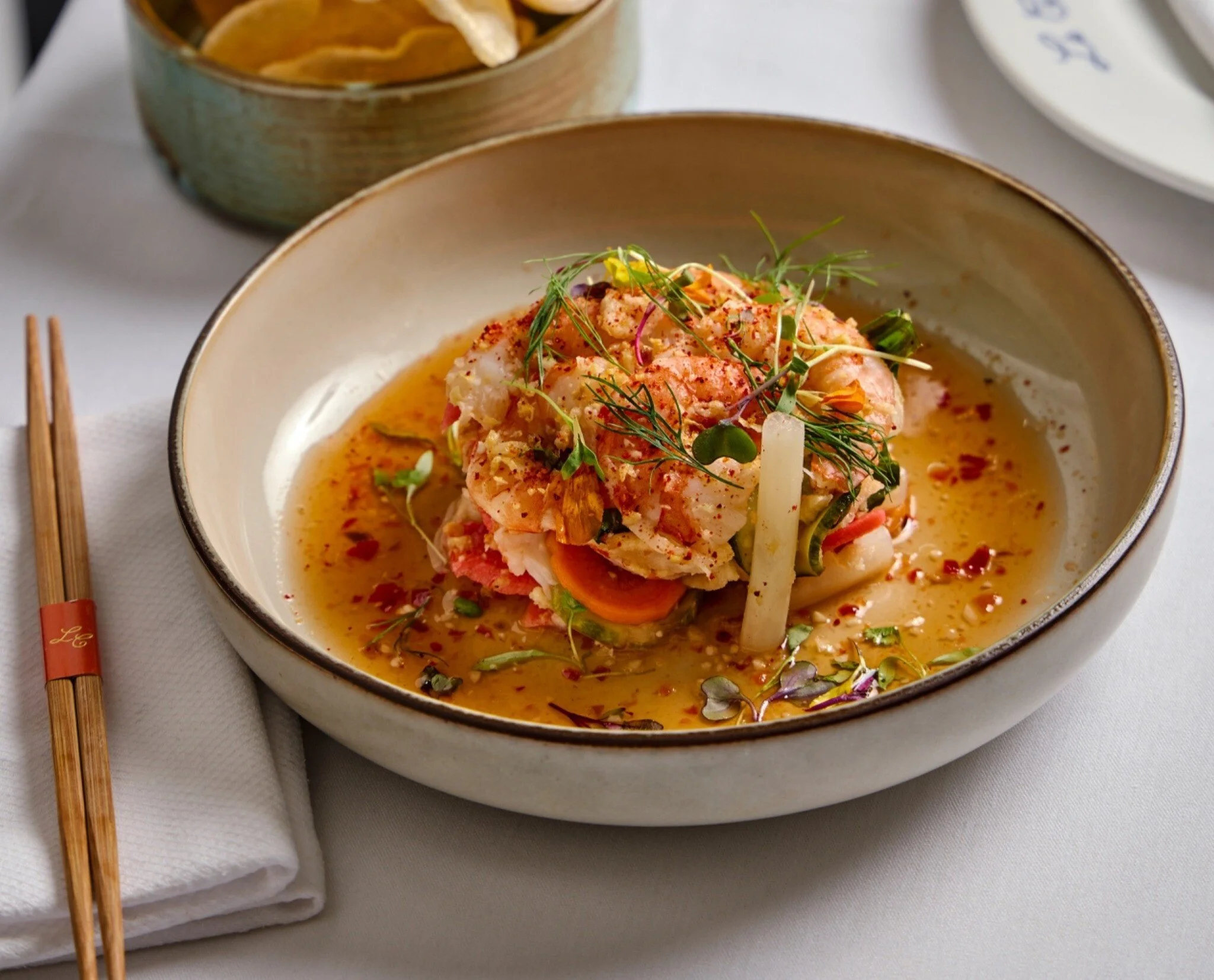
Now at Le Colonial, Obaye splits his time between Texas and Chicago, while overseeing the kitchens of restaurants in Atlanta, Chicago, Delray Beach, Denver, Houston, Lake Forest, and Naples. The work is less about personal expression and more about building a machine that still tastes like a point of view. “The secret really lies in a balance of consistency and empowerment.” He is blunt about the real driver: “You can have the best recipes in the world, but it’s the chefs and cooks on the line who bring them to life.” He travels, tastes, trains, and keeps his standards close, because he knows what happens when the small things slide. “If you have time to do it twice, you had time to do it right the first time.”
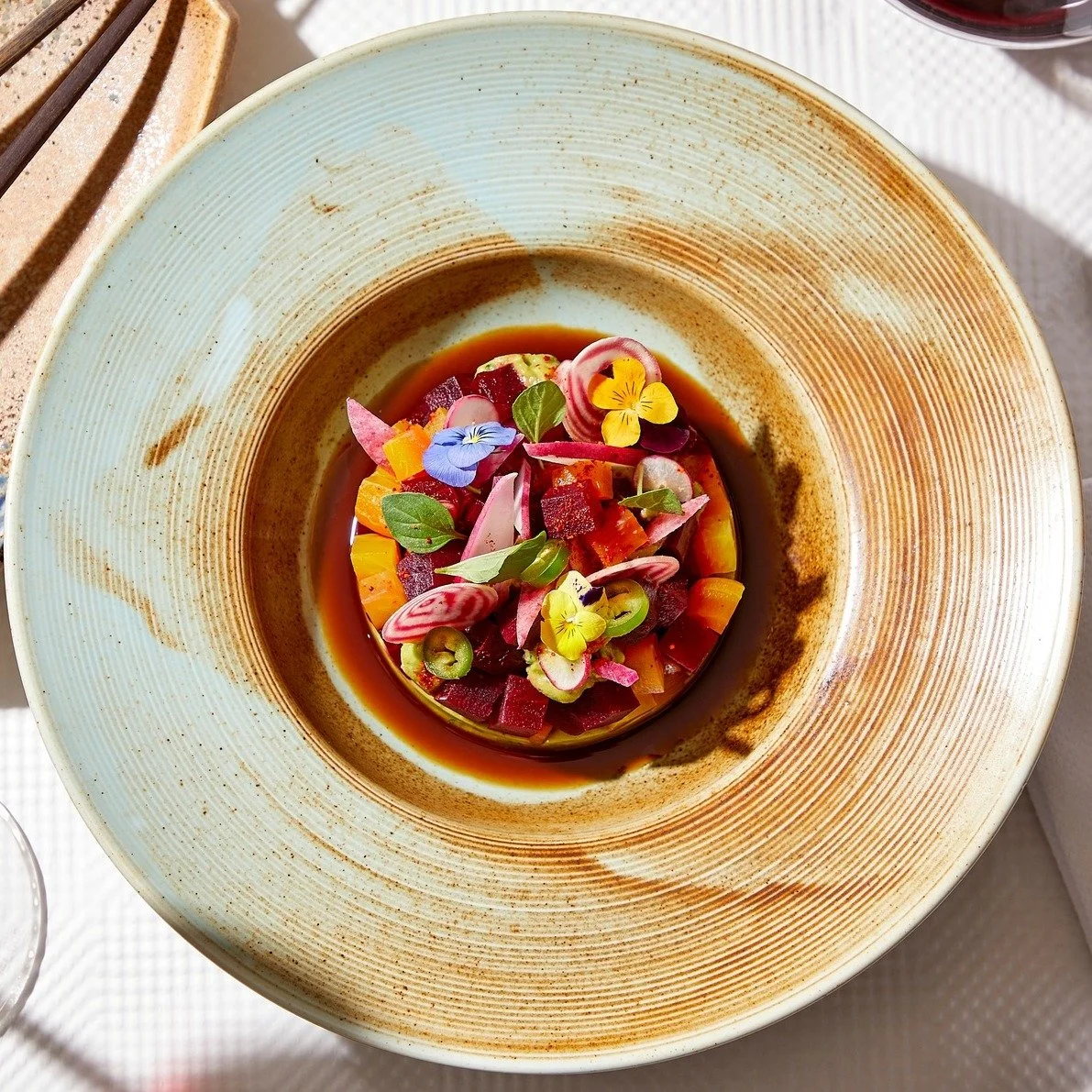
Seafood ceviche
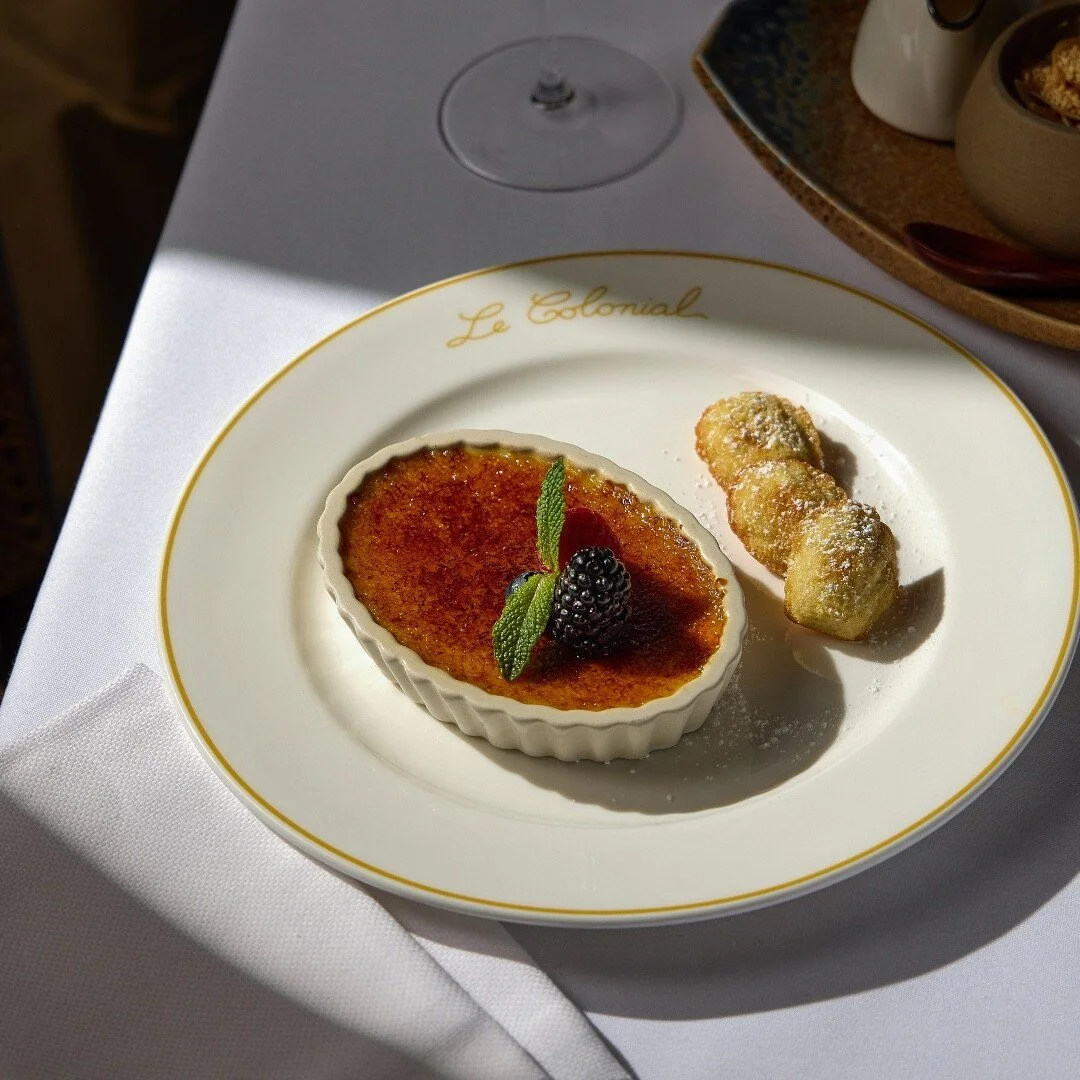
Somewhere inside all that structure, there is still the kid in Agadir, studying ingredients like each one had a deeper meaning. “Food wasn’t something you bought,” he says. “It was something you nurtured, waited for, respected.” The scale has changed. The rhythm has not.
Crème brûlée with madeleines
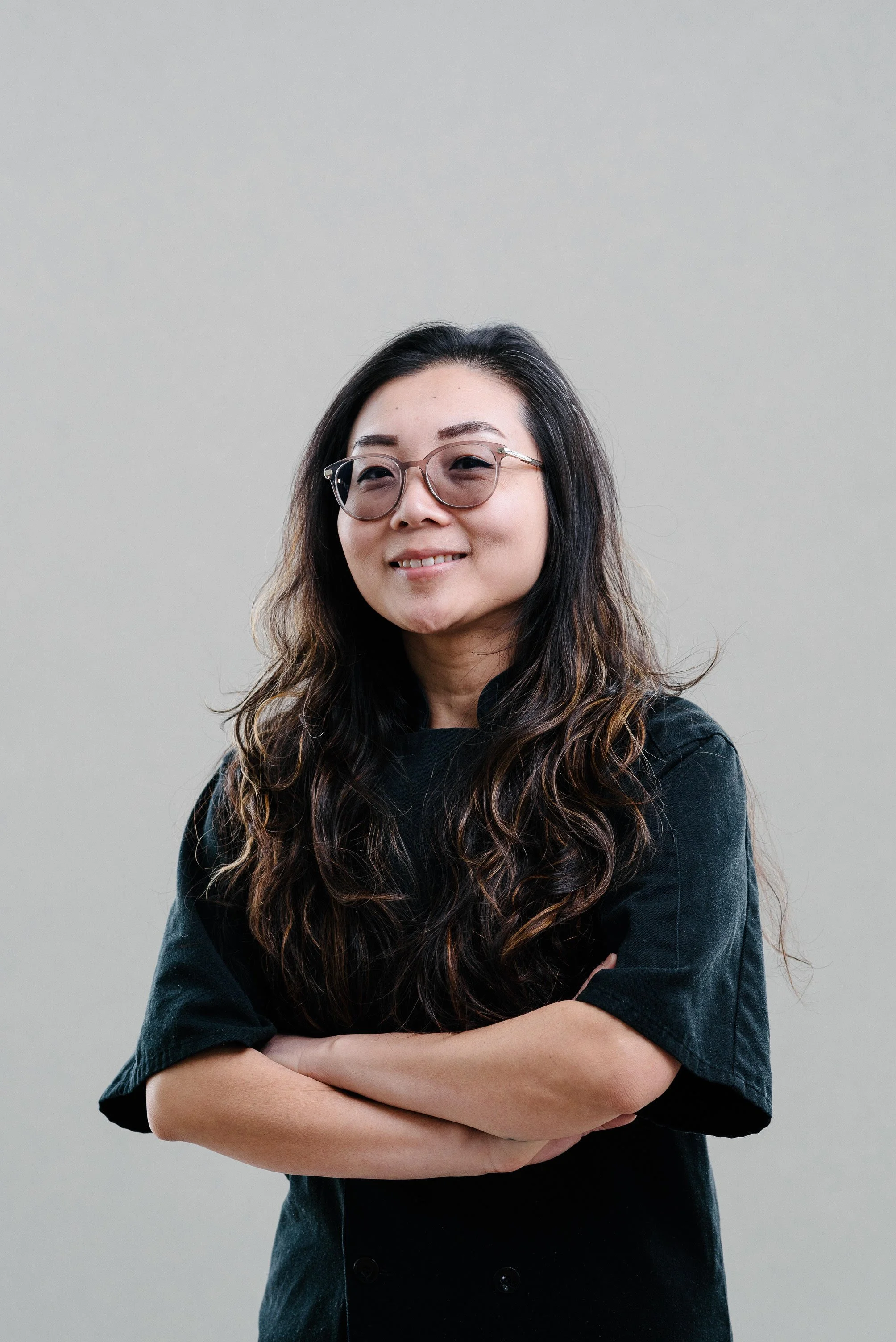
Liu Fang: The Chef Who Turned Homesickness Into a Menu
This chef brought a lifetime of hard-won reinvention to her dumpling pop-up that she turned into one of Cleveland’s most exciting restaurants.
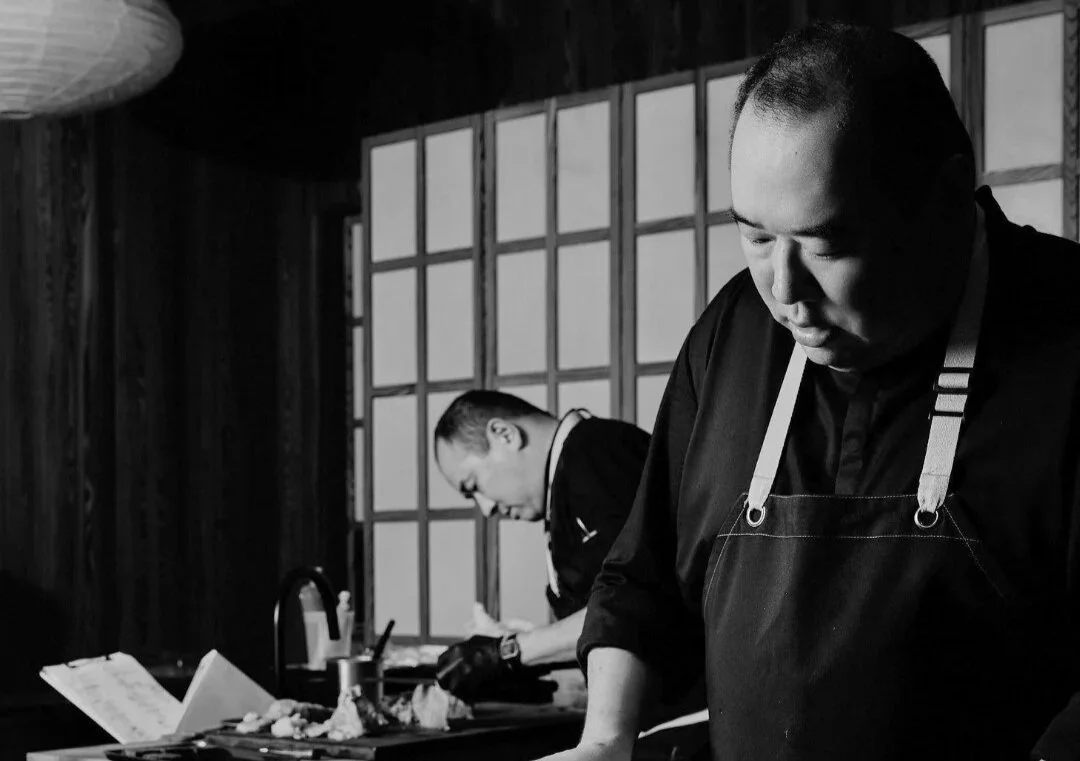
Baltimore Michelin Guide: The Star-Worthy Restaurants in Charm City
If the Michelin Guide covered Baltimore, these are the restaurants that would earn stars and Bib Gourmands.