CHEF PROFILES | MIAMI
The Second Act of Miami's Hereford Grill: New Owner, Bigger Ambition
HEREFORD GRILL | MAP | INSTAGRAM
By Eric Barton | Jan. 2, 2026
AUTHOR BIO: Eric Barton is editor of The Adventurist and a freelance journalist who has reviewed restaurants for more than two decades. Email him here.

Erasmo da Silva was 14, wiping tables in his family’s restaurant in Caracas, when he watched his father work the room like it was a second kitchen: handshakes, fixes, small rescues, the quiet maintenance that keeps guests happy without them noticing.
“That’s when I understood that hospitality isn’t just a job — it’s an instinct, almost a calling,” he told me. Decades later, he is applying that same instinct to a bigger stage: bringing Hereford Grill back to life, not as a nostalgic replica but as a Miami steakhouse that can earn its old reputation all over again.
Hereford Grill ran for 25 years, disappeared, and now returns under new leadership, with da Silva taking the keys and promising a second act that keeps the old affection but raises the ambition.
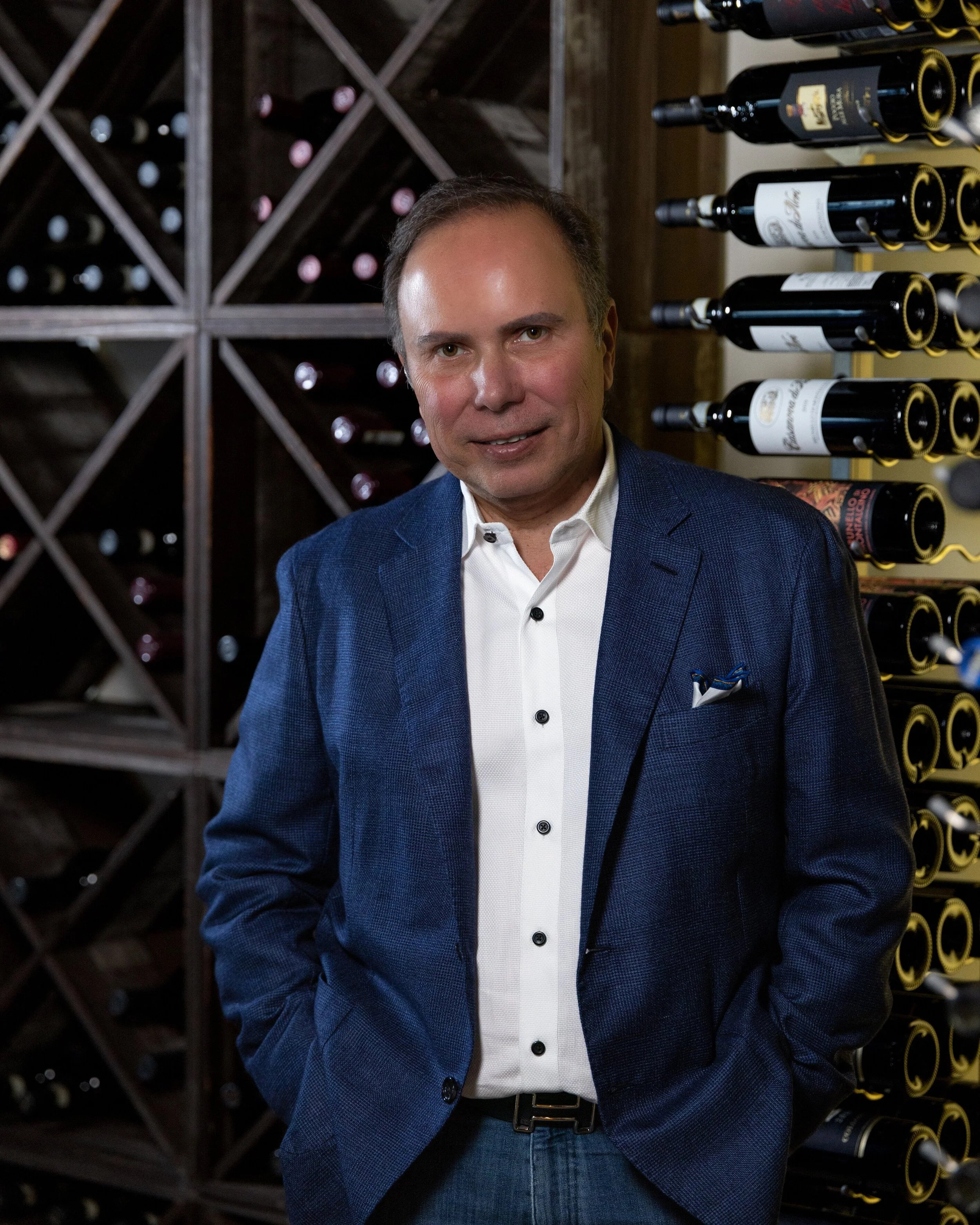
Erasmo da Silva
Da Silva is the entrepreneur behind Da Silva Hospitality Group, which owns Zucca in Coral Gables and is building the upcoming Italian food hall Zuccaly at The Plaza Coral Gables. At Hereford Grill, da Silva is already programming it like a place meant to be lived in: a daily happy hour, two-for-one Tuesdays, wine-focused Wednesdays, and a Thursday night built around music.
Da Silva’s origin story starts before he was born, in the version his company tells about a family leaving Portugal for Venezuela in 1950 and building a hospitality business there from the ground up. For him, the real beginning is more specific: a teenage kid in a family restaurant learning that the work is not glamorous, but it is instructive.
“My first job was in one of my family’s restaurants in Caracas — an Italian restaurant and pizzeria concept that shaped my earliest understanding of hospitality,” he said. He did what 14-year-olds do when the adults are busy. “I started doing whatever was needed: cleaning tables, organizing the storage room, helping with prep, and learning how to welcome guests.”

He was also paying attention to the part most people miss, which is that hospitality is not only food. It is recognition. “I remember watching my father walk the dining room, shaking hands, solving problems, connecting with people,” he said. It was not showmanship, exactly; it was maintenance, the daily repairs that keep a restaurant from becoming a problem. That example stuck because it made the work feel innate rather than aspirational, like something you either have or you do not.
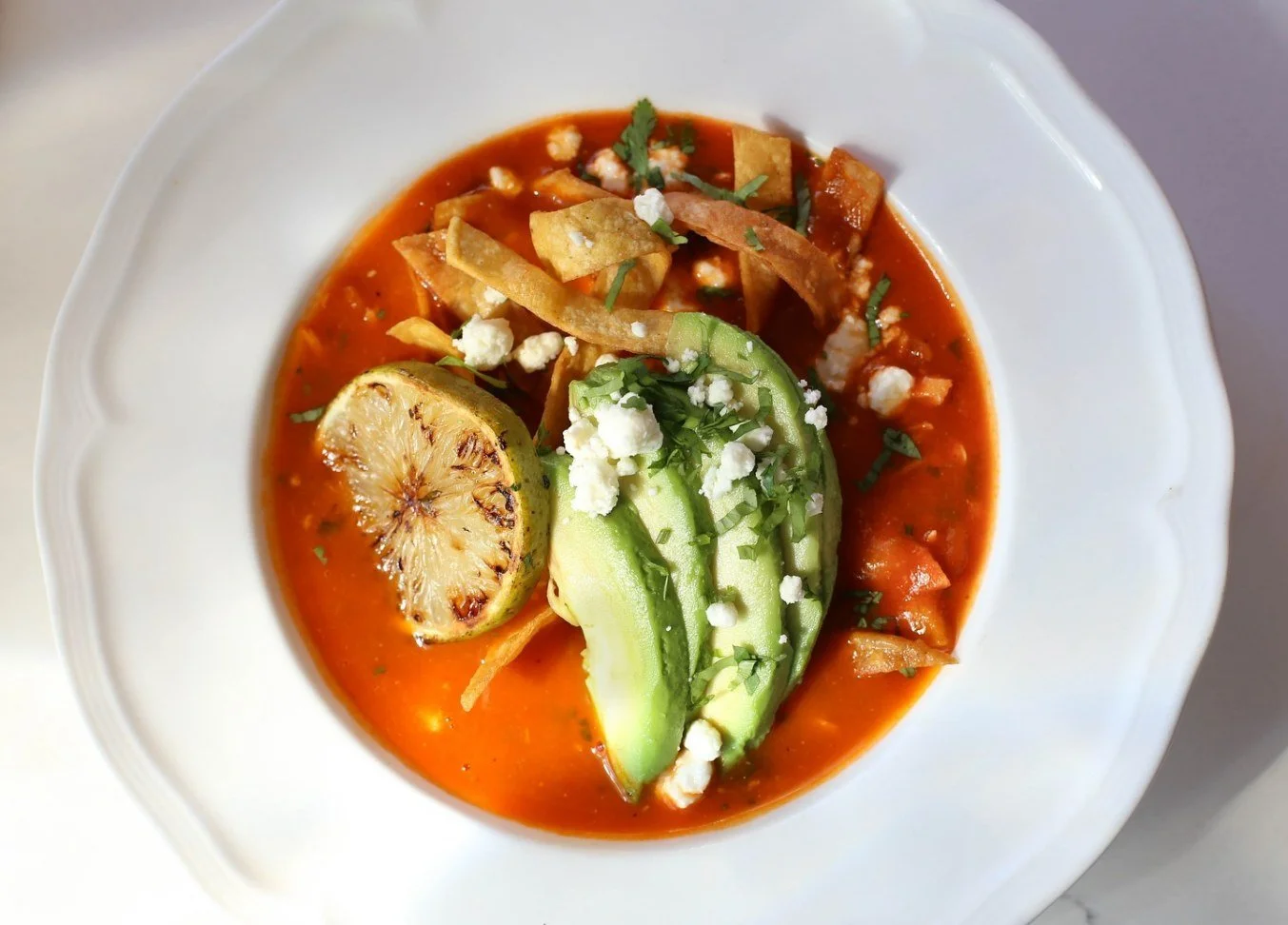
Tomatoes and stracciatella
Along the way, da Silva earned a law degree, which could have been his exit ramp. Instead, he treats it as a discipline that sharpens the work rather than replacing it. “Law gave me structure, discipline, and analytical thinking. But hospitality gave me purpose,” he said. Even while studying, he kept returning to restaurants—managing operations, developing concepts, learning from teams—because the legal framework was never the point. “I realized that what fulfilled me wasn’t the legal framework behind a business; it was creating spaces where people share moments.”
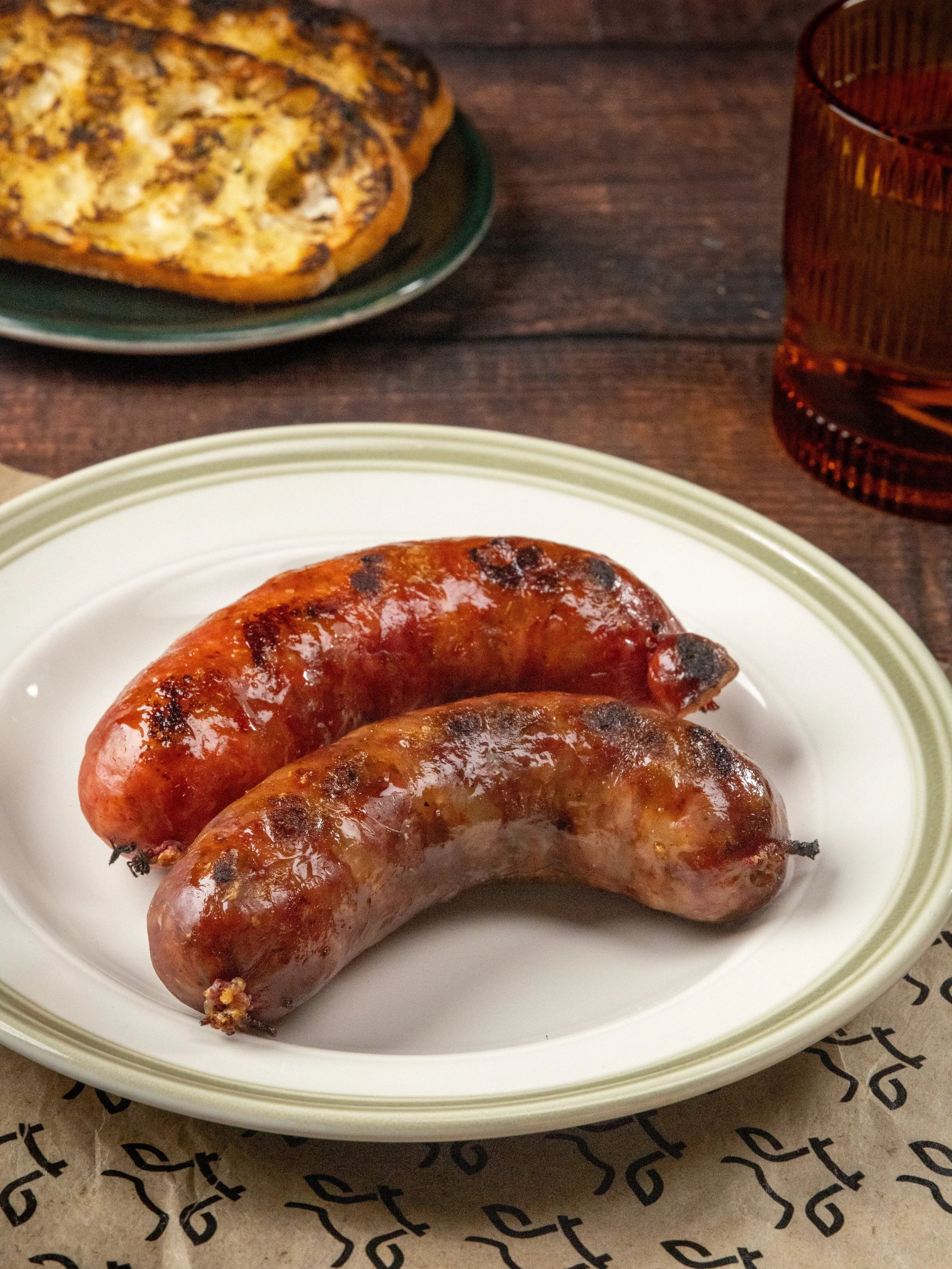
House-made chorizo
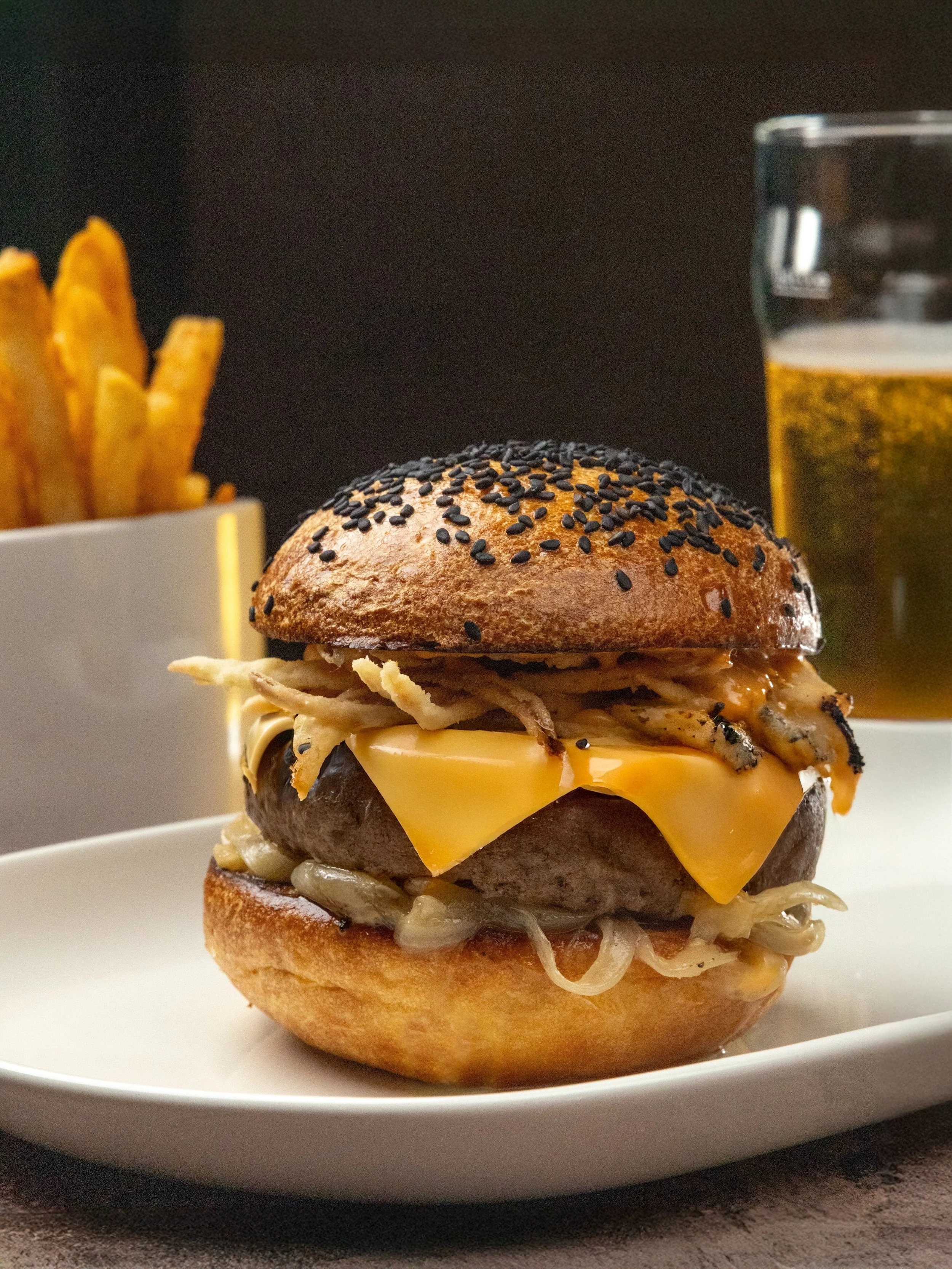
Brisket and short rib burger
In 2017, the family’s next chapter moved to the United States, and da Silva approached Miami like someone who respects the city but does not romanticize it. “Miami is a city built by immigrants, by dreamers. It felt familiar,” he said. He also saw a practical opening in how restaurants often chase competitors instead of the people sitting in the chairs. “I saw a gap between what the market offered and what I knew hospitality could be,” he said, describing a city with plenty of options but not always the “emotional connection” he believes turns a restaurant into a habit.

That belief is what shaped the long runway before Zucca opened in Coral Gables. He has described doing about three years of research—market, culture, expectations—before committing to the concept. “The research taught me something simple: most restaurant groups study the competition, not the culture,” he said. He wanted something that aimed for longevity instead of novelty. “We built Zucca to be timeless — consistent, full of character, with service that feels personal.”
Pork chop with apple and rosemary sauce
Hereford Grill is his latest test, and also his most public one, because the name already belongs to the city’s memory. Da Silva talks about the assignment as preservation plus pressure. “Hereford Grill was part of Miami’s dining history,” he said, the kind of place tied to anniversaries and business deals and family rituals. “We wanted to preserve that familiarity — the warmth, the feeling of a neighborhood institution.”
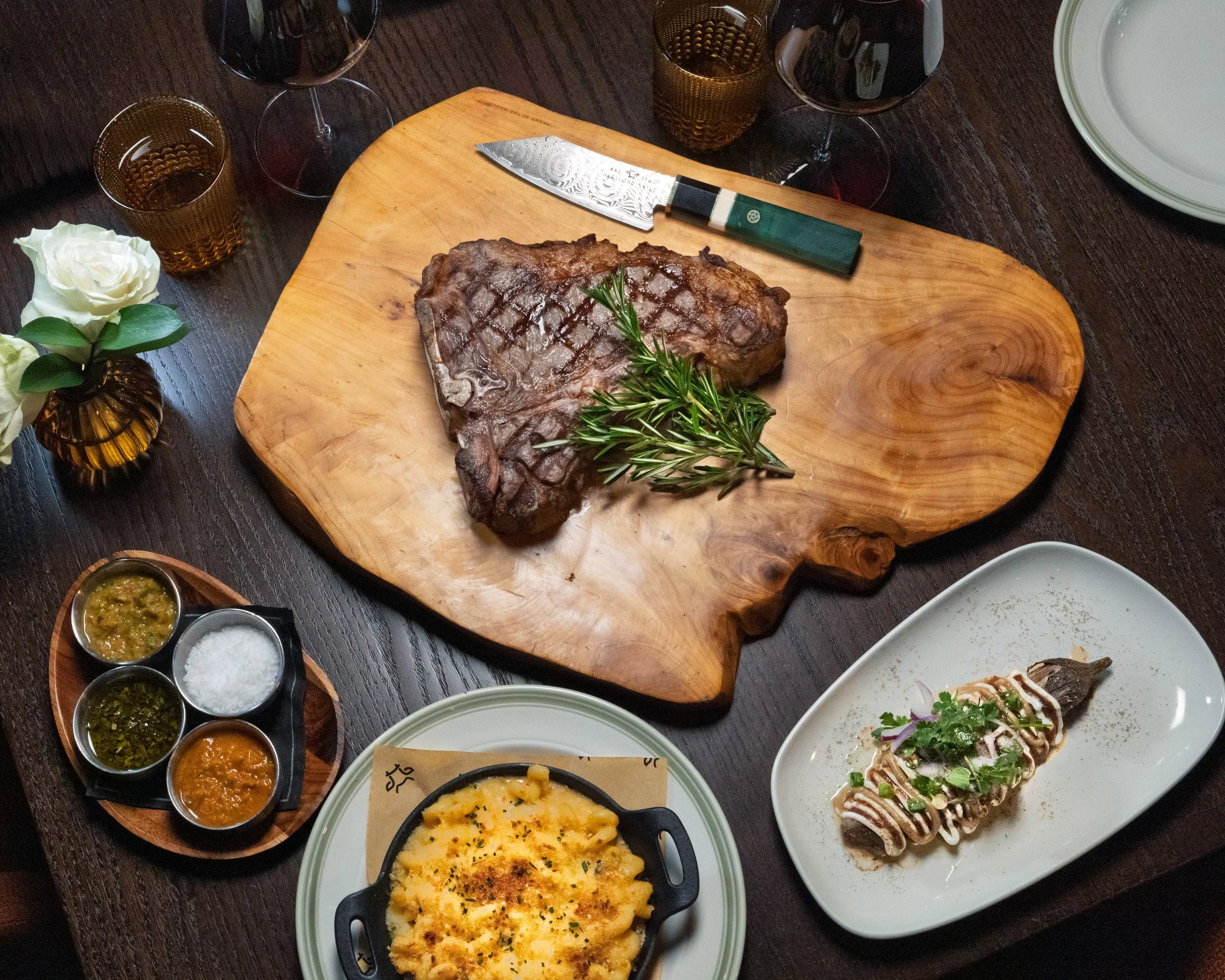
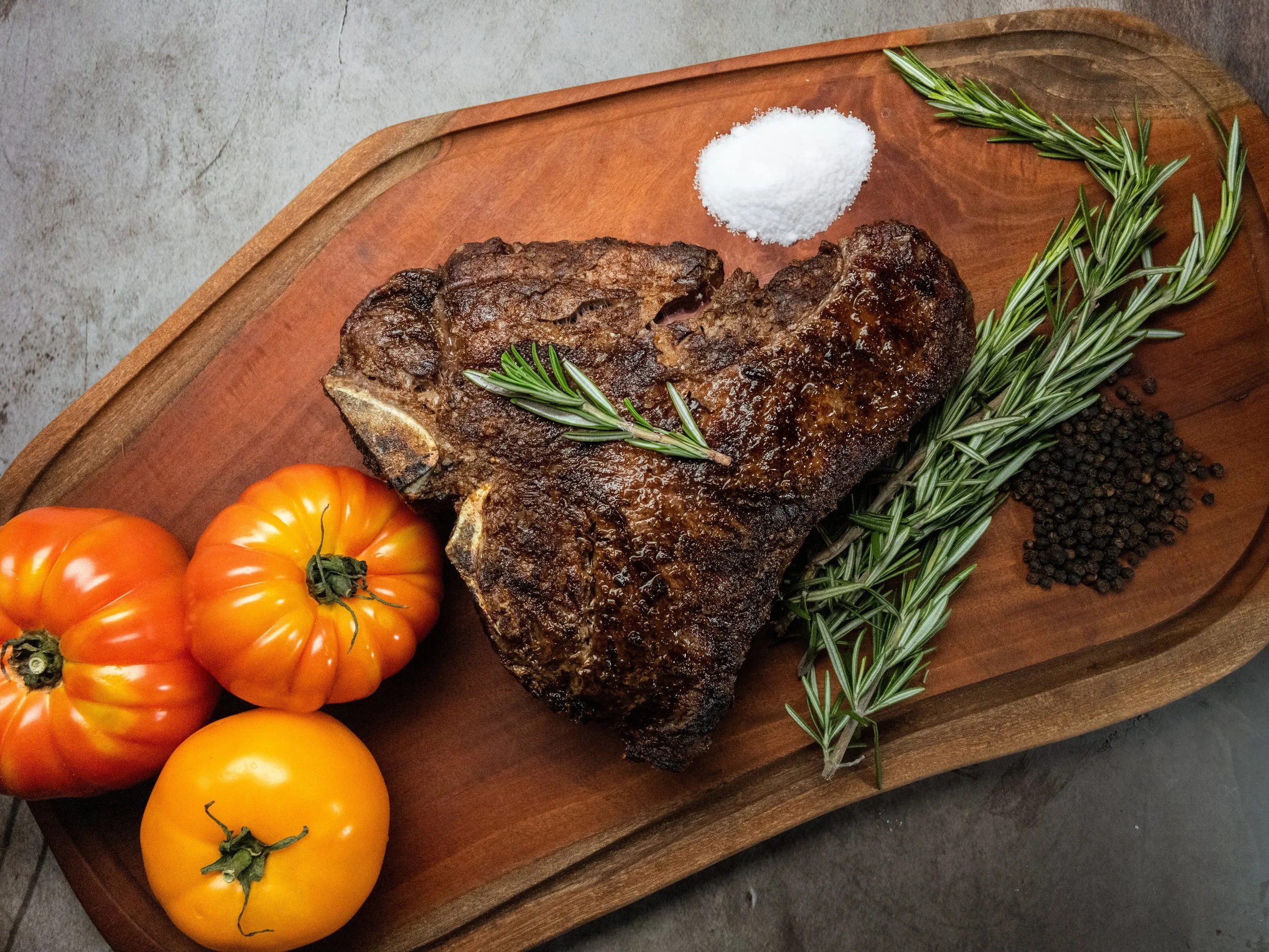
Bone-in Ribeye
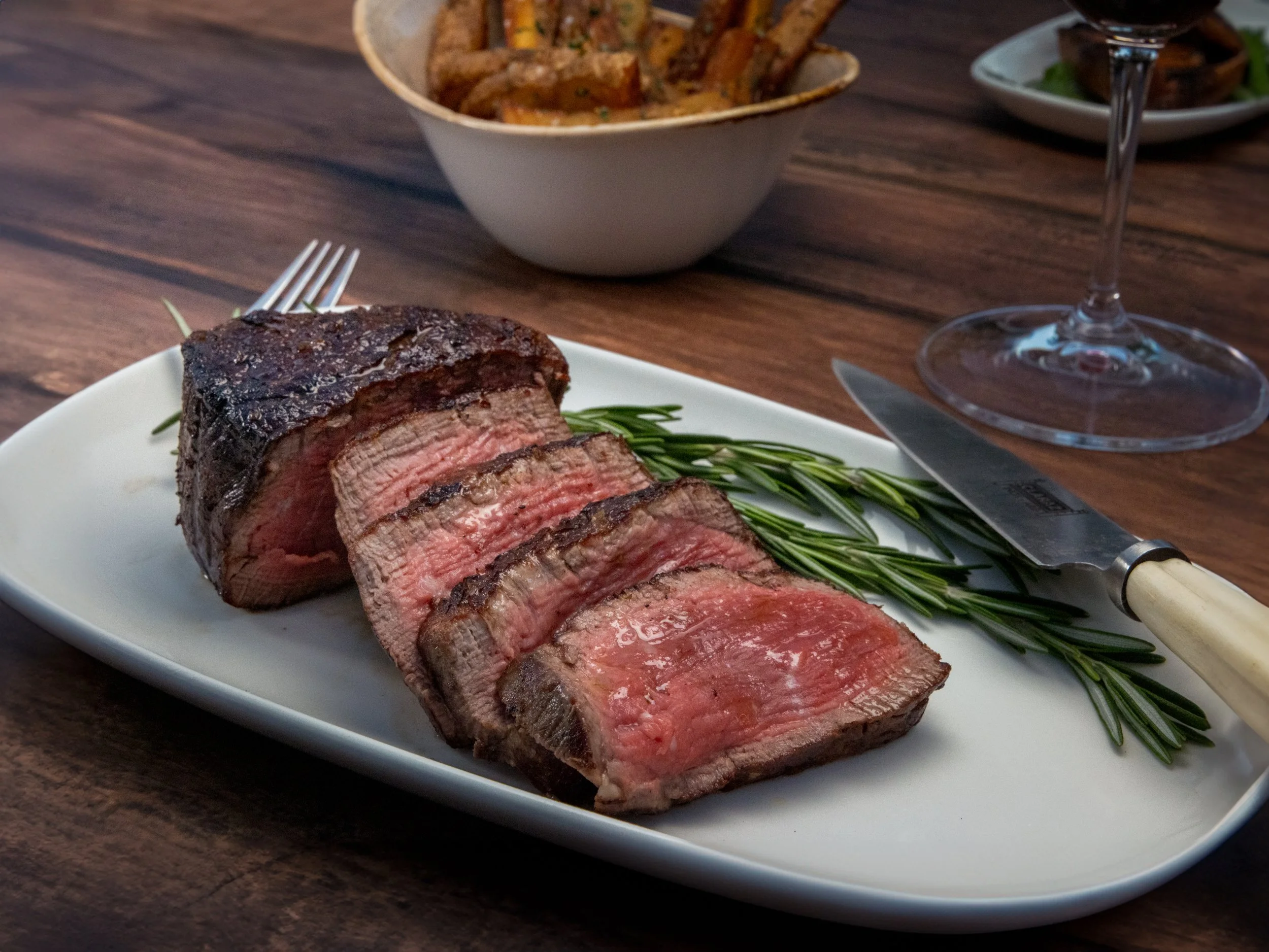
American wagyu filet
But he is also clear-eyed about why a comeback cannot be a rewind. “What needed to change was the culinary ambition and the overall experience,” he said, describing an overhaul that includes new grilling techniques, a refined design, and what he calls “obsessive hospitality.” “The goal wasn’t to erase the past — it was to elevate it and make it relevant for the next 25 years.”
Next up is Zuccaly, the Italian food hall he is building at The Plaza Coral Gables. “Zuccaly will feel like a Da Silva concept because it is not a marketplace — it’s an ecosystem,” he said. He wants cohesion where most food halls settle for variety. “You won’t feel like you're walking between vendors; you’ll feel like you're moving through a curated Italian experience — warm, casual, authentic, and alive.”
If that is the thesis, then Hereford Grill is the warm-up: a familiar Miami name, reborn with a long view, run by someone who learned early that the real work happens in the room, not just on the plate.

Best Miami Brunch: Eat, Drink, and Linger Until Dinner
Forget football or baseball—brunch is Miami’s favorite pastime. Here’s where to find the best spreads that’ll turn breakfast into an all-day affair.


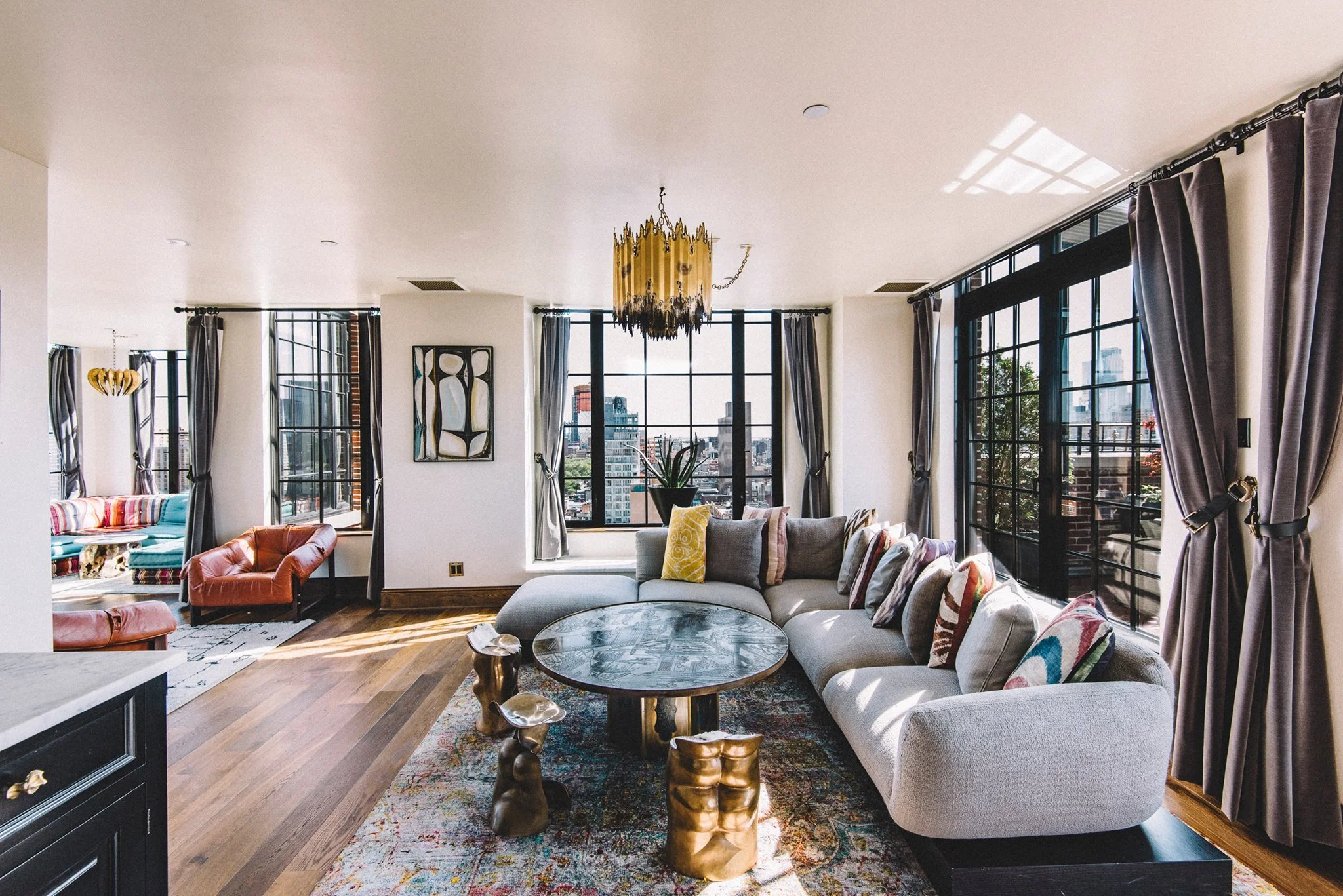
These NYC Hotels Are Genuinely One of One
Forget the cookie-cutter hotel chains. These properties ooze character: historic icons, design oddballs, and downtown hideouts.