CHEF PROFILES | CALIFORNIA
Xavi Padrosa Built Telefèric Barcelona Into a $40 Million Empire in America, and He’s Just Getting Started
By Eric Barton | Feb. 27, 2026
AUTHOR BIO: Eric Barton is editor of The Adventurist and a freelance journalist who has reviewed restaurants for more than two decades. Email him here.

Xavi Padrosa can describe his childhood in the smells that came wafting on the breeze. Toasted bread with jamón Ibérico and olive oil for breakfast, especially, the sweet caramelization of the bread, the earthy fattiness of the jam, the fruity pop of the olive oil. His mother, from the Basque country, placed that dish down in front of him most mornings.
Those flavors still snap him back to Sant Cugat, just outside of Barcelona, and the idea of transporting people to his version of Spain is exactly what fills Padrosa’s days.
Padrosa founded Telefèric Barcelona with his sister Maria and is now CEO. The restaurant group started as a family pintxo bar outside Barcelona and has grown into a $40 million U.S. business. There’s six California locations and an expansion that just hit Scottsdale, with Newport Beach and La Jolla coming soon. The next goal is to double the business, while keeping the operation stubbornly Spanish in the only way that really counts: the culture, the standards in the kitchen, and the feeling that dinner can still stretch long into the night.
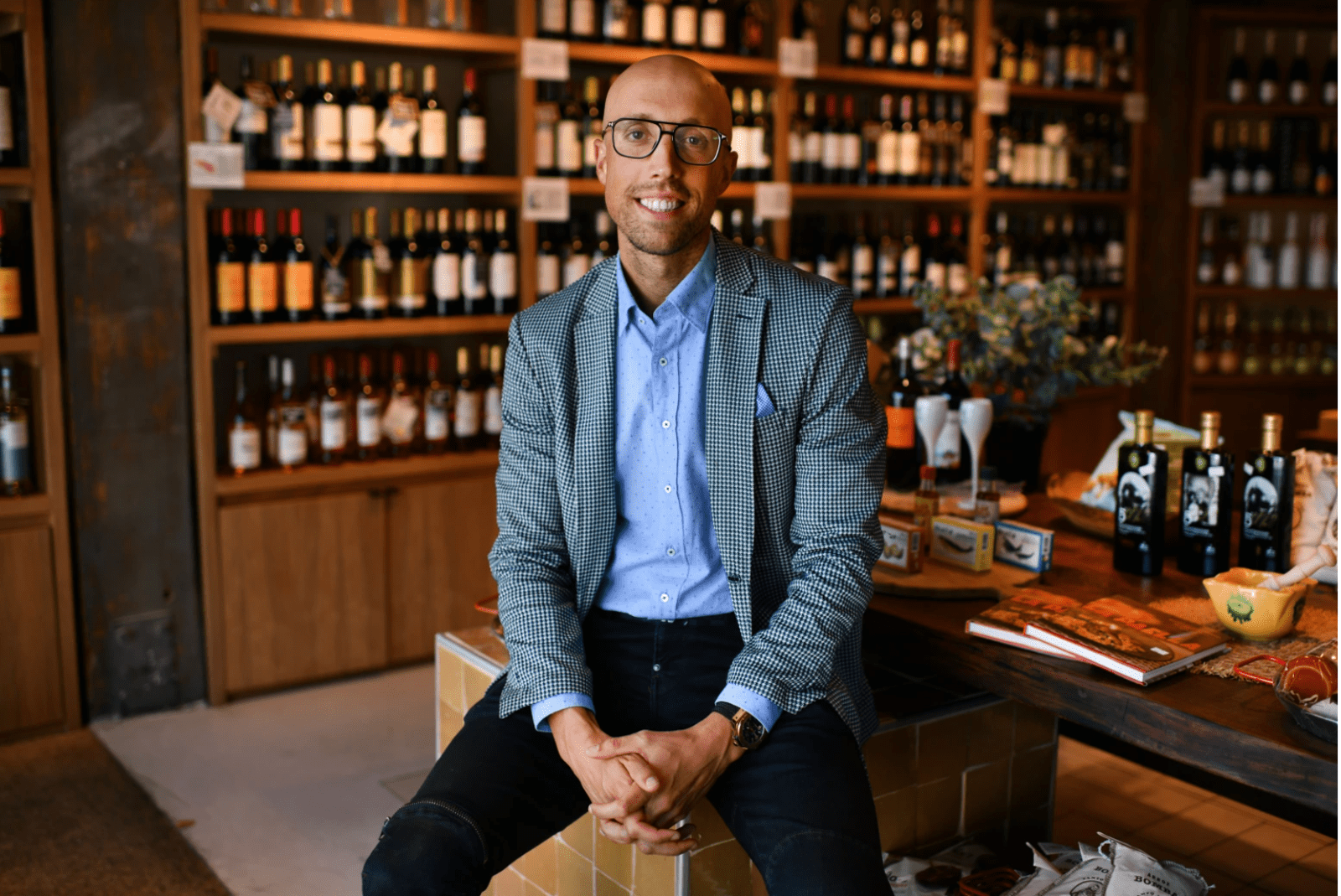
Telefèric Barcelona started when the Padrosa’s mother had the idea of introducing Basque-style pintxos and tapas to Catalonia, opening a family restaurant in Sant Cugat in 1992. Xavi and his sister grew up inside that restaurant, absorbing the unglamorous mechanics of hospitality before anyone was calling it a concept. “After school, instead of going straight home, my sister and I would often go there and do our homework,” Padrosa says.
His parents worked long hours in the restaurant, and dinner together was rare. “But when it did, those evenings became something truly special,” he says. Scarcity sharpened the point: restaurants were work, but they were also the place where closeness could be created.
The name itself carries a memory. “The name Telefèric means cable car in Catalan, and in our original restaurant, we had a small cable car running along the ceiling, circling the entire space as part of the décor.” In the U.S. restaurants, he says, they keep small nods to that cable car through artwork and design details as a way to honor where it began.
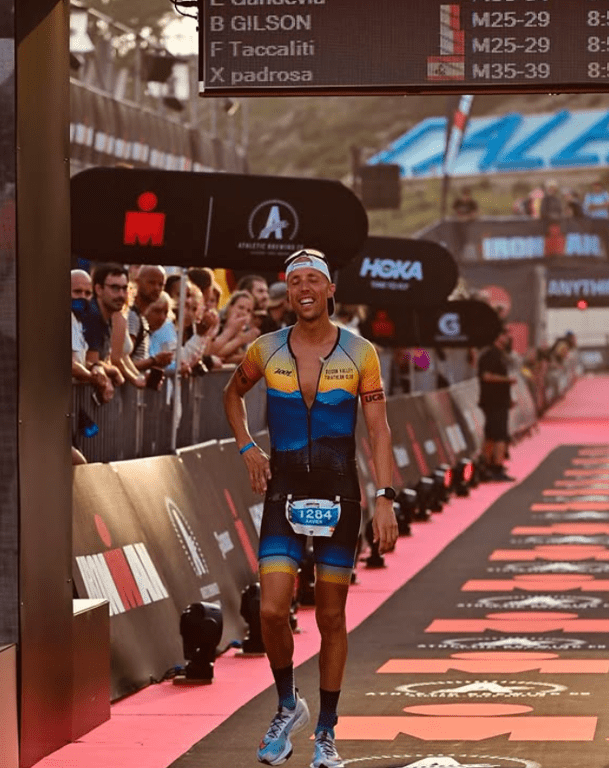
Before Telefèric Barcelona became a growth story, Padrosa’s own life took a detour through sport. He came to the U.S. on a tennis scholarship, went pro, and later competed in Ironman races, and he talks about discipline the way athletes do—like it is less a virtue and more a daily practice that keeps the whole machine from breaking. “In sports, you learn very quickly that talent alone is never enough. What truly matters is what you do every single day, especially when no one is watching.” Restaurants, in his telling, are the same grind in a different uniform. “You don’t succeed because of one great service; you succeed because of thousands of good ones.”
That athletic mindset also shaped how he thinks about leadership, which, in a restaurant group, is mostly about repetition and standards. Telefèric Barcelona’s method for holding onto authenticity has been unusually literal: staffing the operation with people from Spain to preserve its cultural DNA. The point is not theatricality. The point is that the Spanish version of hospitality is hard to fake.
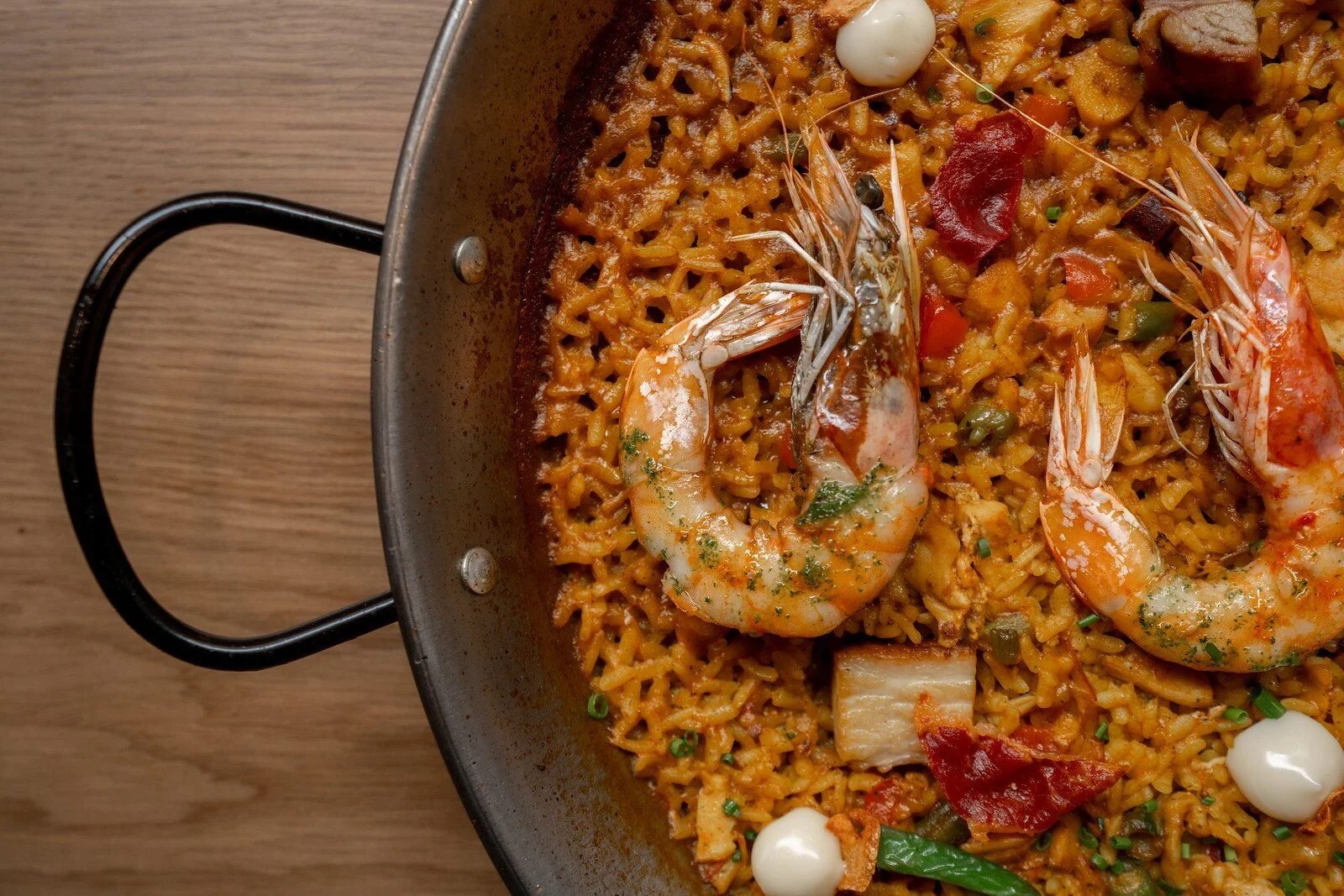
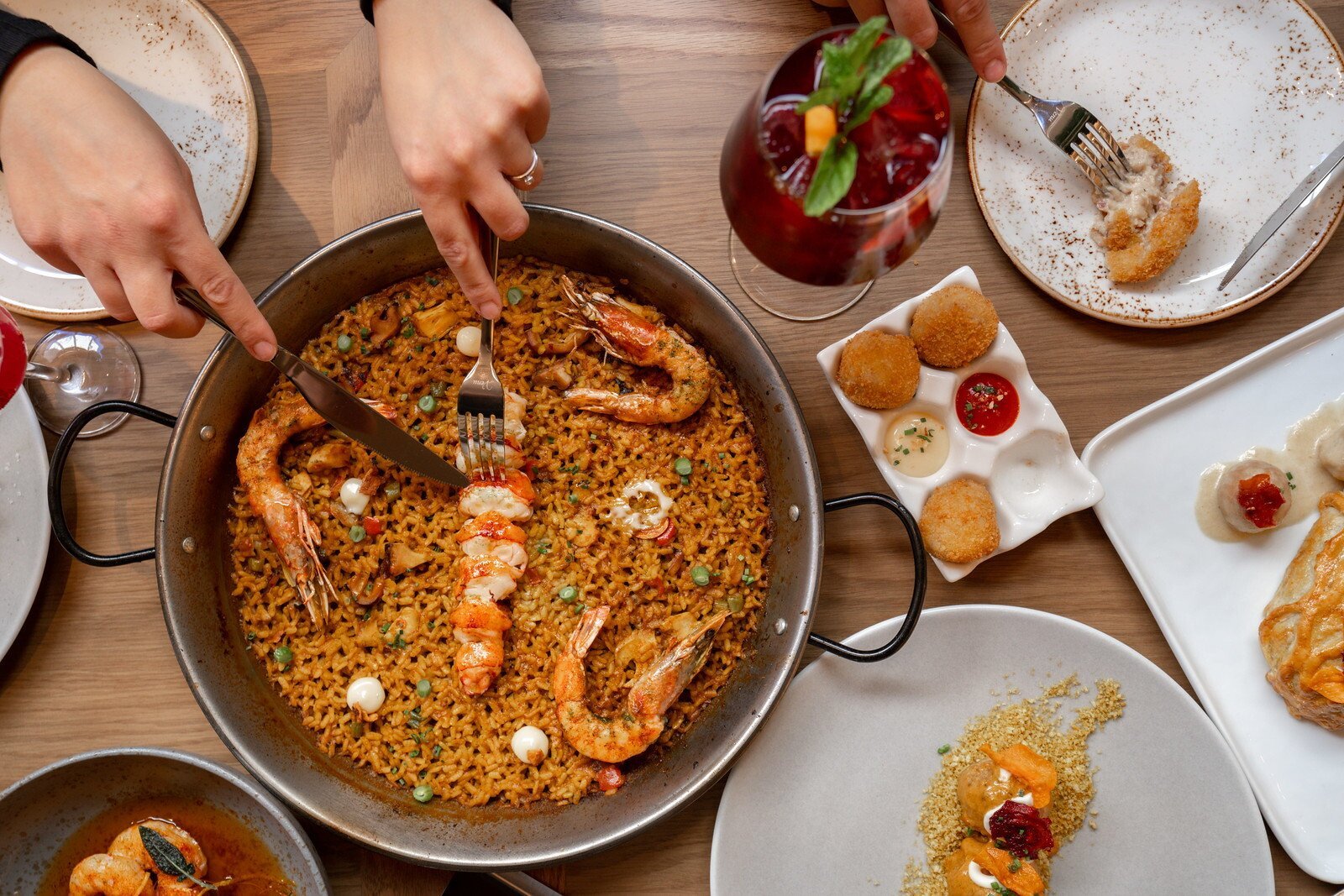
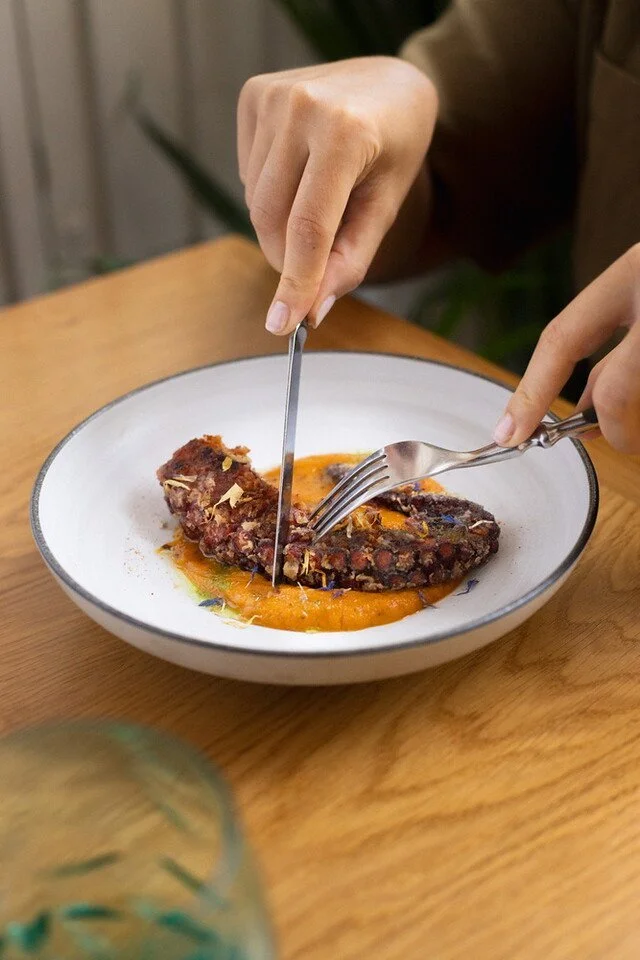
Padrosa has a phrase for why he keeps doing it this way, when easier options exist. “We don’t do it for the money; we do it for the romantic side of it,” he says. “It’s about believing that a restaurant can truly change someone’s day, just as it does in Spain.” He talks about culture like something you can transmit through specific rituals—monthly flamenco shows, the porrón, paella, octopus—without turning the restaurant into a museum.
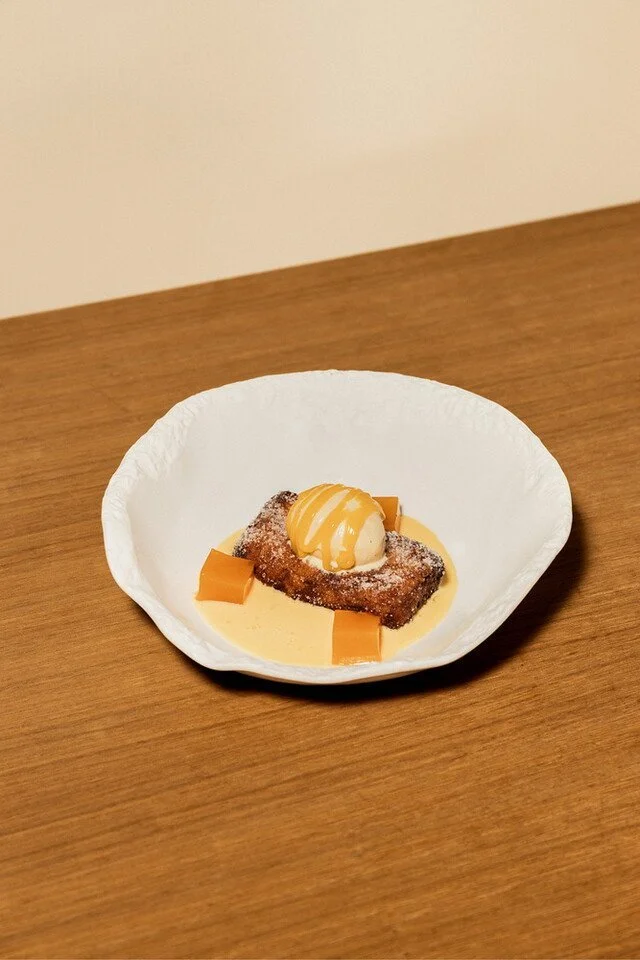
Success, for him, is not a spreadsheet moment. It is a line he wants to overhear at the door. “Success, for me, is when a guest walks out after lunch or dinner at one of our Telefèric Barcelona locations and says, ‘I feel like I’ve traveled to Spain.’” The next decade, if it goes the way he and his team are planning, it is about building toward $80 million and turning a Catalan after-school story into a U.S. restaurant group with national recognition, without losing the reason any of this started in the first place.
Because if a restaurant can preserve the memory of a breakfast in a Basque mother’s kitchen, then growth feels earned.
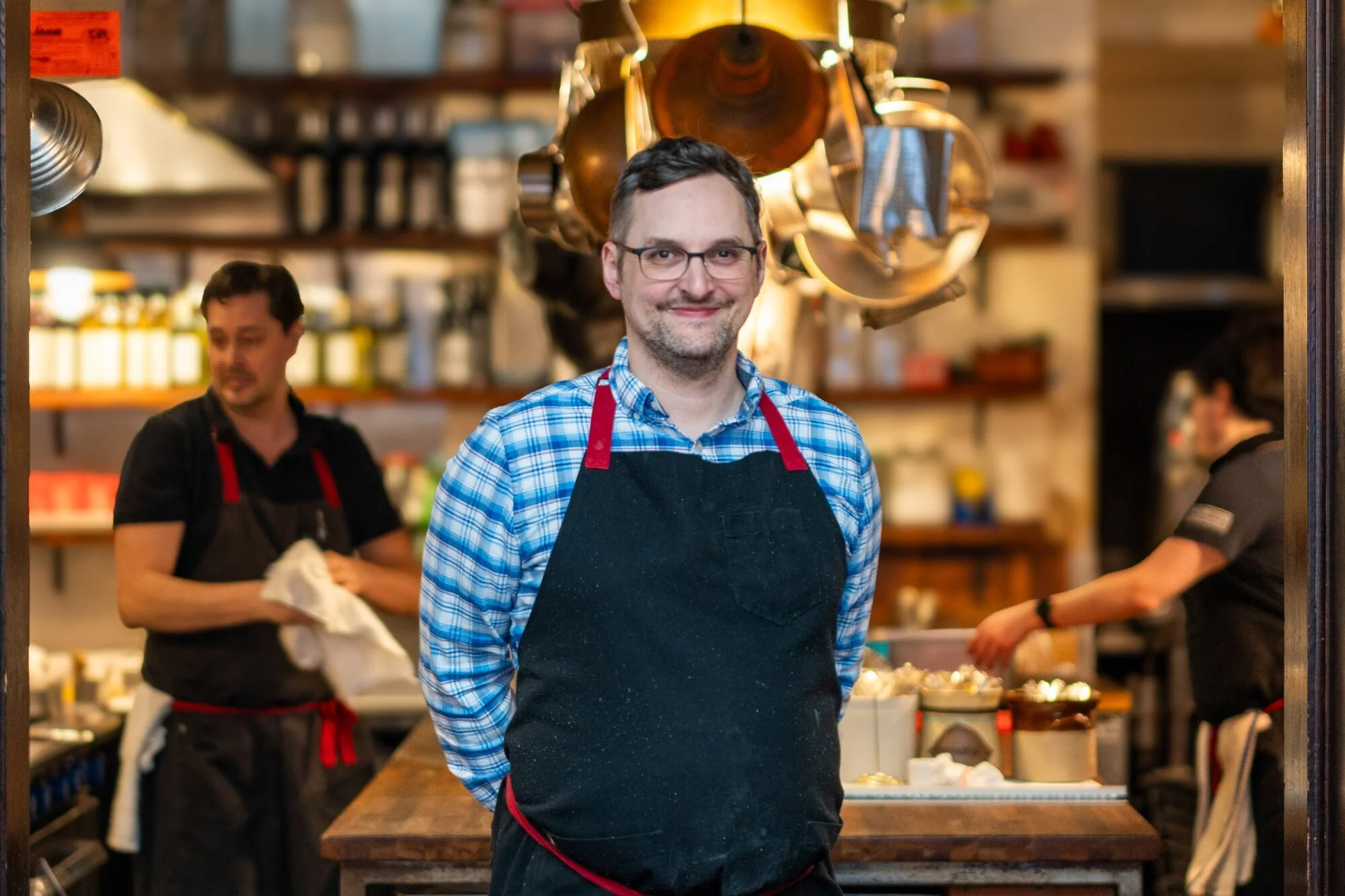
At Spinasse in Seattle, Stuart Lane Turns Piemonte Into a Life’s Work
Spinasse chef Stuart Lane rose from Edmonds to Piemonte and back, shaping Seattle’s Italian dining—and documenting it in a coming cookbook.
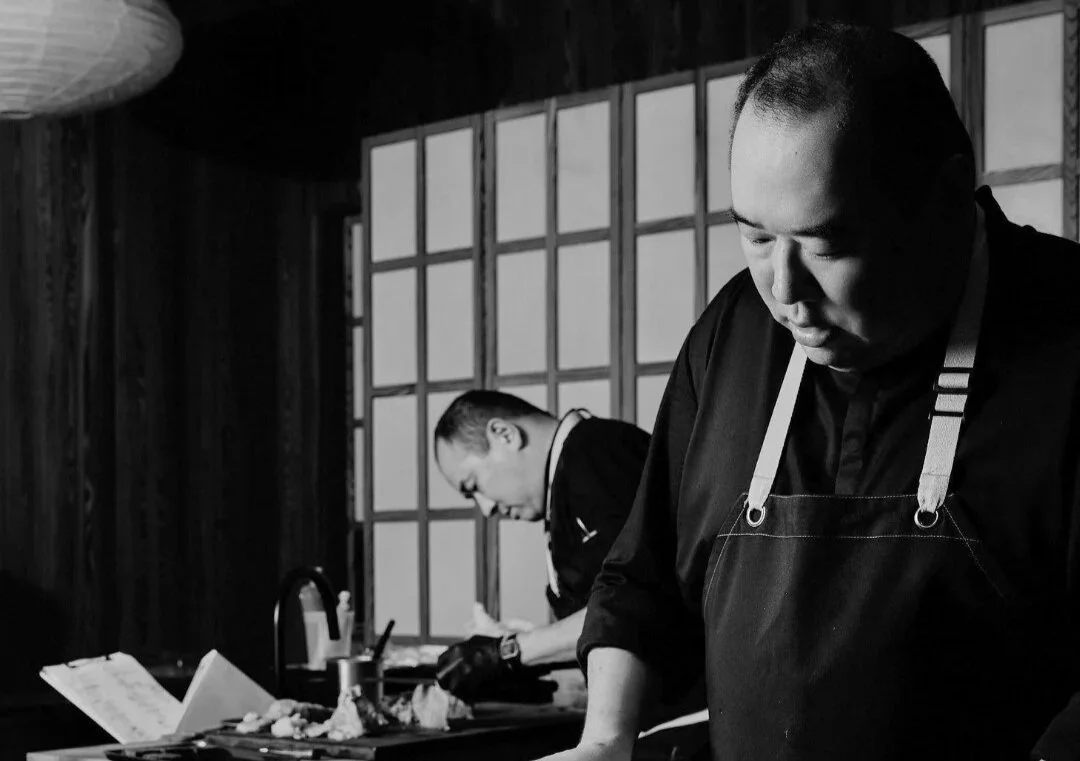
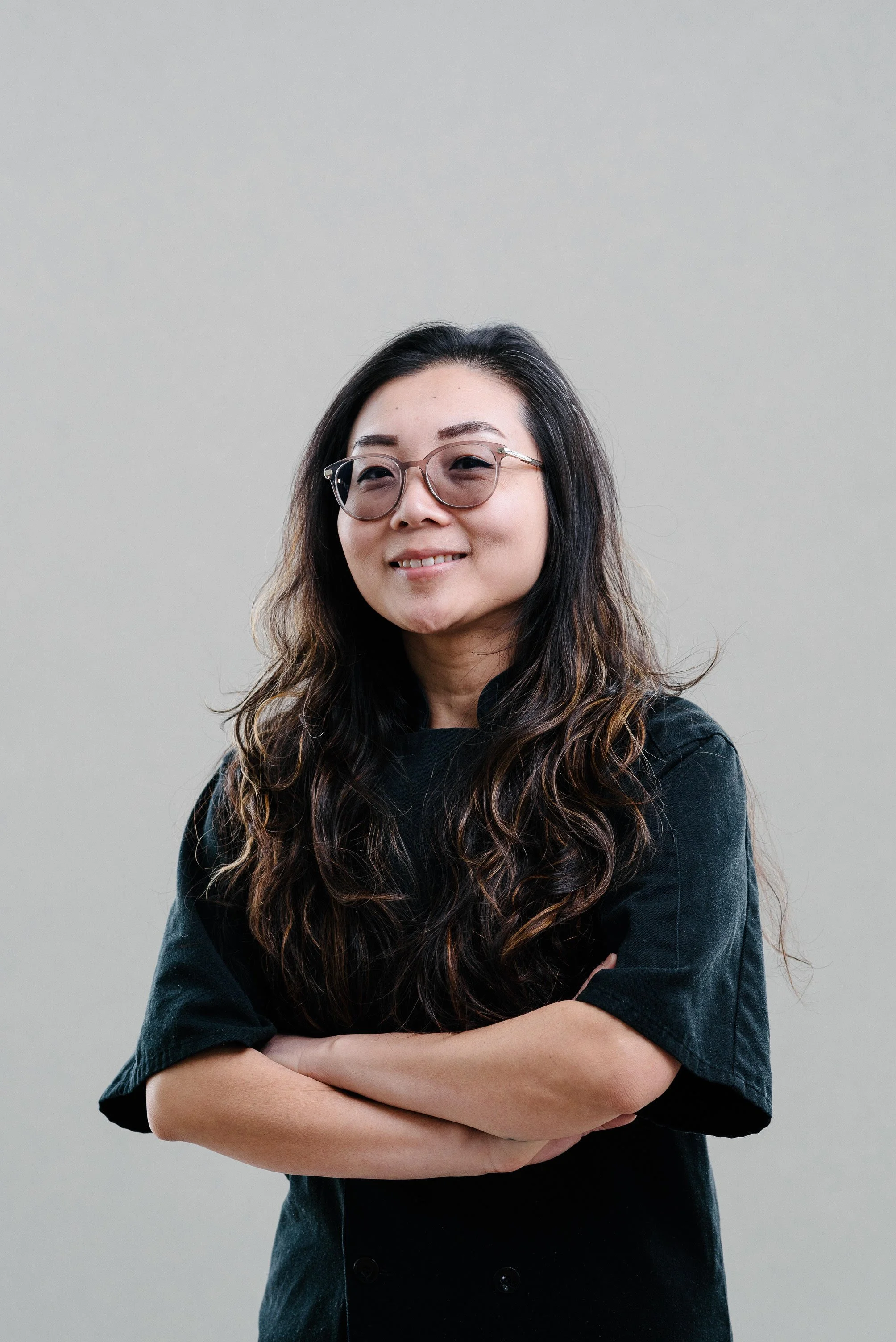
Baltimore Michelin Guide: The Star-Worthy Restaurants in Charm City
If the Michelin Guide covered Baltimore, these are the restaurants that would earn stars and Bib Gourmands.