CHEF PROFILES | WASHINGTON
Chef Stuart Lane of Spinasse Wrote the Seattle Pasta Bible
By Eric Barton | Feb. 18, 2026
AUTHOR BIO: Eric Barton is editor of The Adventurist and a freelance journalist who has reviewed restaurants for more than two decades. Email him here.

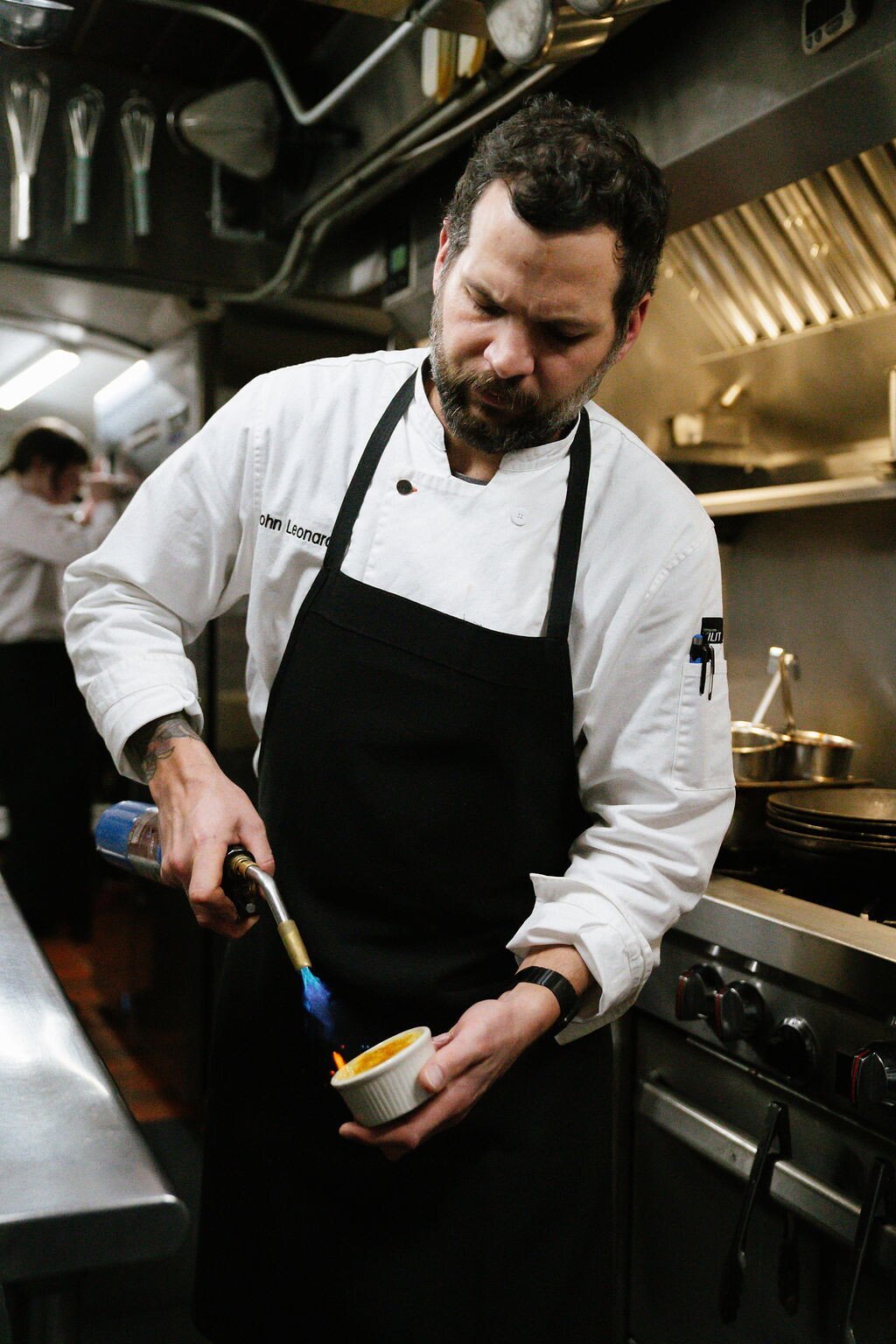
Stuart Lane does not talk like a person who always knew where he was headed. He talks like someone whose talent sharpened through focus and hard work, then matured into skill. He also talks like a writer, which makes sense, because the first version of him on paper was not “executive chef,” but “creative writing major,” trying to figure out what adulthood was supposed to look like.
In Seattle, that accidental writer has become one of the city’s steady kitchen pros, the chef behind Spinasse and its sibling Artusi, restaurants that outlast trends by treating northern Italian cooking as a discipline. Lane has led the kitchens as executive chef since 2015, and now he is trying to turn nearly two decades of dishes, systems, and lessons into something guests can carry home: a Spinasse cookbook, built around the Piemontese traditions he fell for in Italy.
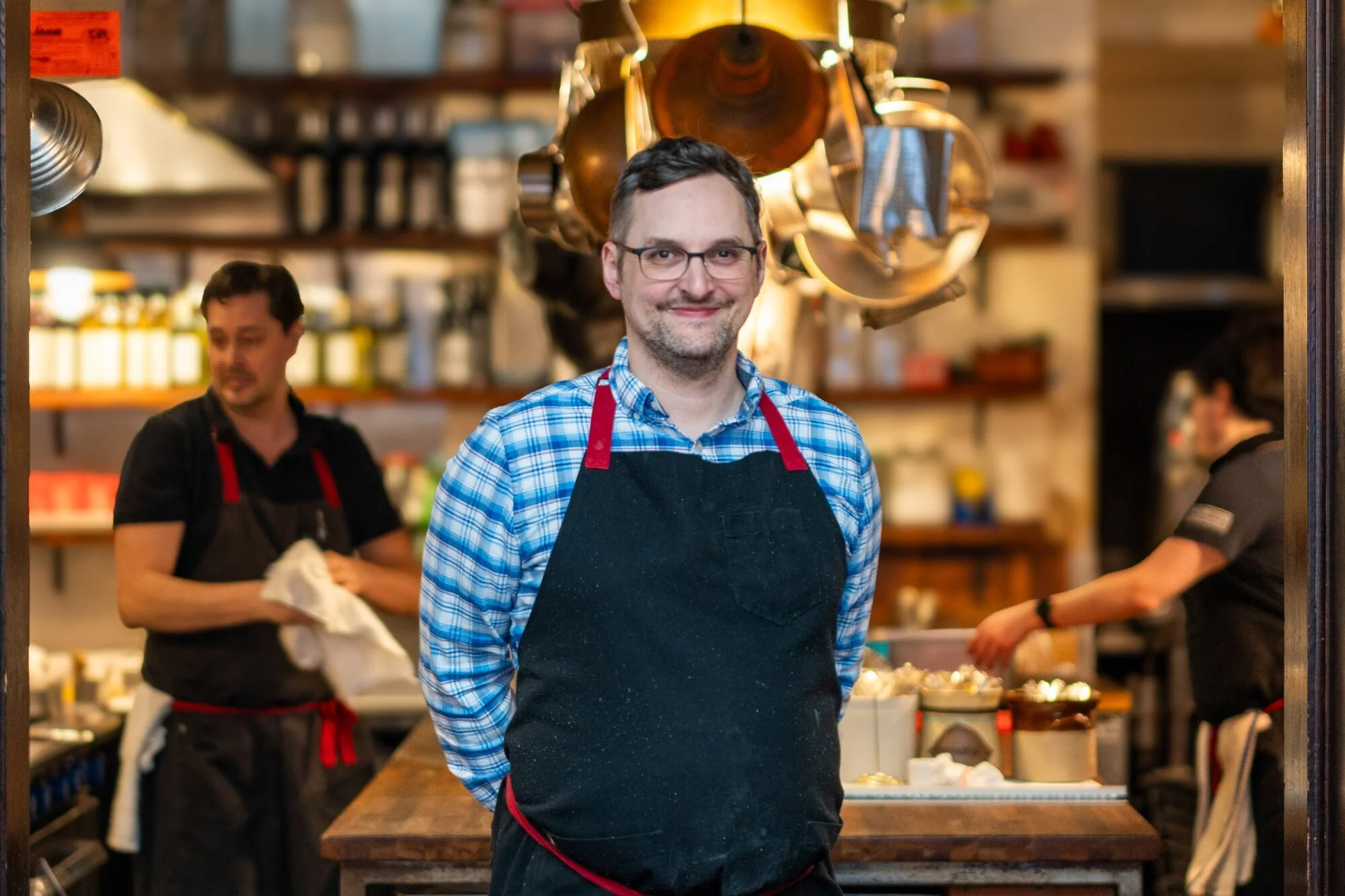
Stuart Lane
Lane grew up in Edmonds, Washington, “a cute little town by the water,” as he describes it. There was a ferry, a fourth of July parade, an idyllic neighborhood, parks within walking distance, and enough freedom to “climb many trees.” It is the sort of upbringing that does not force urgency. It gives a person room to stumble into a calling later.
Cooking, at first, was not that calling. “Growing up, food was not a big part of my life,” Lane tells me. His mother cooked most nights, and he remembers her competence more than any specific dish: “She was amazing at getting all the food on the table at the same time and hot.” That detail feels like the seed of a future chef, whether he knew it or not. Timing is a necessity in restaurants, and he noticed it first at home.
After high school, Lane went north to earn a creative writing degree at Western Washington University. The plan, at least in the way people in their early 20s claim to have plans, was to write. Then television intervened. He watched an episode of Great Chefs of the World on PBS. He remembers: “It was a revelation for my career.”
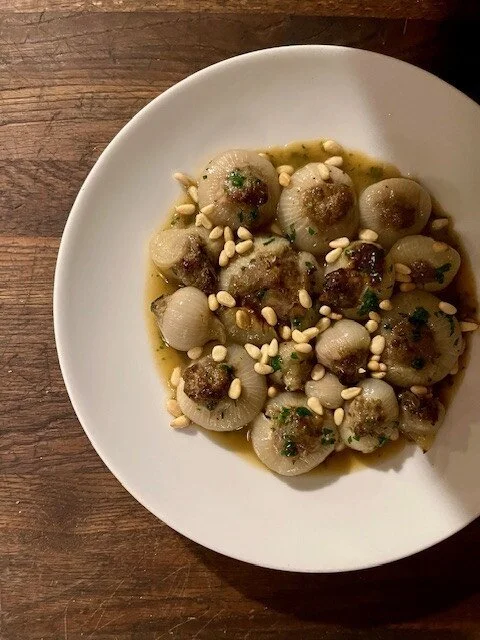
Cipollini ripieni

He enrolled at Bellingham Technical College, worked at a local Italian restaurant, and finished a culinary arts degree in two years. The pace suggests hunger, but Lane’s version of ambition is less chest-thumping than it is practical. He wanted more training, and he wanted it from restaurant kitchens. Seattle came next, along with the kind of jobs that teach craft and, more importantly, behavior: Flying Fish under chef-owner Christine Keff, and Café Campagne under chef Daisley Gordon.
Fava risotto with chervil

Artichokes, egg, and aioli
Ask Lane what he still carries from those early Seattle kitchens and he does not mention a sauce or a technique. He talks about people. “How you treat people and the relationships you form are everything,” he says. He is specific about the mechanics of it: “Everyone at a restaurant performs vital roles. Remove any piece or treat someone badly, and it affects how everything runs.” He also frames mentorship as an operational necessity, not a sentimental hobby. “The younger people are the next leaders,” he says, and he pushes his cooks to think like stewards: “They should act like they own the restaurant they work at.”
In 2004, Lane left for Costigliole d’Asti to attend the Italian Culinary Institute, a program he first discovered through an article while he was in culinary school. The setting alone sounds like fiction: a Savoy castle in Piemonte, instruction in Italian with translation into English, and a student body that came to absorb a region most Americans still reduce to “pasta.” Lane had another tether too: “Having a maternal grandfather who emigrated to the U.S. from Sicily, I had a small connection to Italian food.” It was his first trip to Europe, and he describes it with the unguarded awe of someone whose life just widened: “the introduction to the culture of food was awe-inspiring.”

Sformato di taleggio with fava beans
His externship took him to Hotel Monte del Re in Dozza, outside Bologna, in the heart of Emilia-Romagna. The work was repetitive in the way that builds muscle memory and identity. Lane made tortellini by the thousands, which is either a nightmare or a meditative practice, depending on whether someone loves the craft. For him, it was formative: the place let him cook and prep with no guarantee of what came next, and he returned to the States with both “a cultural and a nuts and bolts skillset.”
Back home, he went to Café Juanita in Kirkland, one of the region’s temples of Italian cooking, and talked his way into a prep job. He moved up to pastaoli, and then to chef de cuisine, learning what it meant to run a kitchen that has high standards. In 2010, he joined Spinasse as chef de cuisine, deepening his command of northern Italian cuisine in a restaurant that treats restraint as a style and pasta as a religion.
In 2015, Lane became executive chef of Spinasse and its sibling Artusi, inheriting not just a menu but a legacy. Around that time, his personal life also demanded patience of a different kind. Lane and his wife struggled to conceive, and “IVF was not the answer for us.” They adopted their daughter after years in the process, and Lane says simply: “We couldn't be happier.” It is a reminder that some of the most consequential timelines do not happen on the pass.
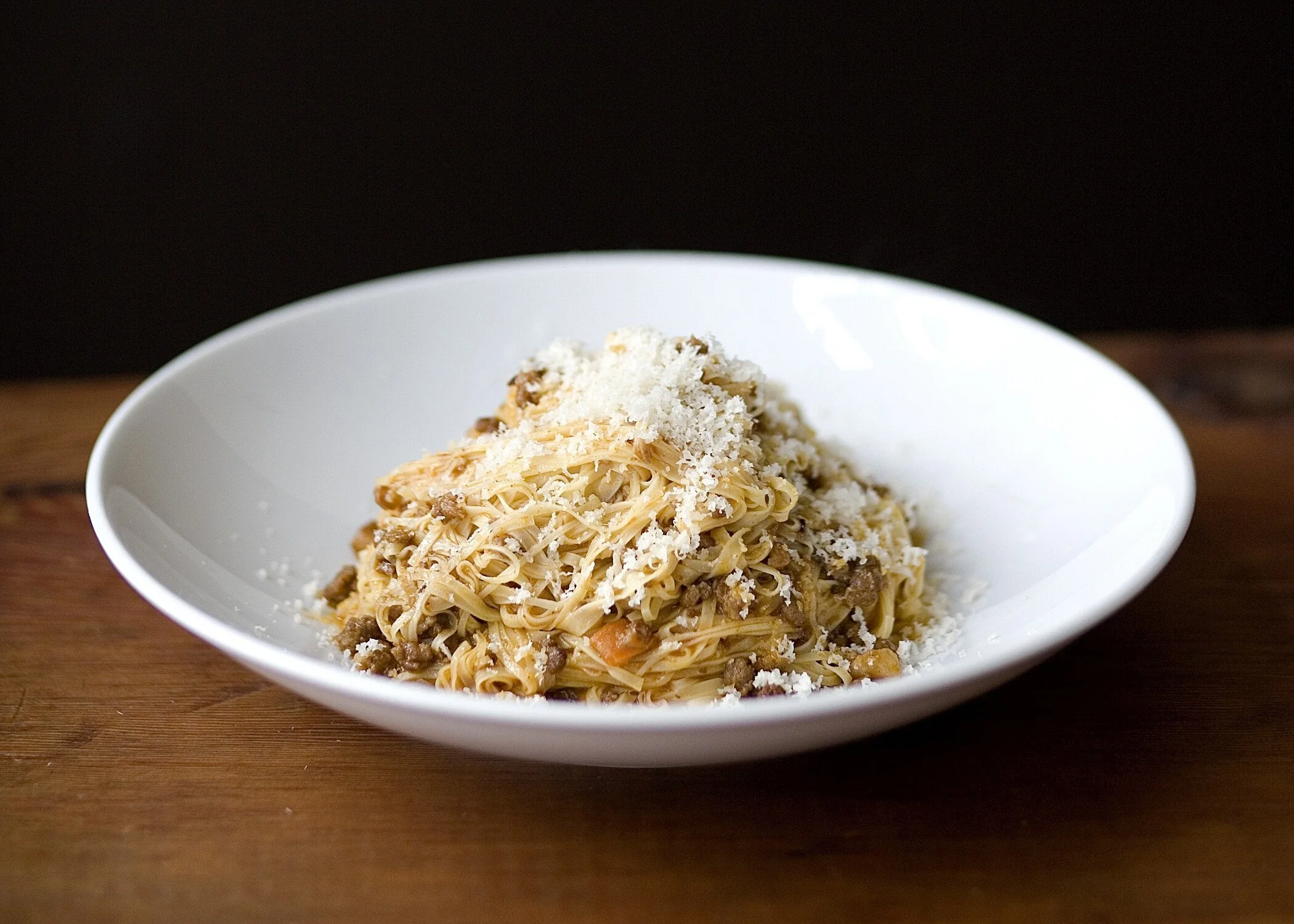
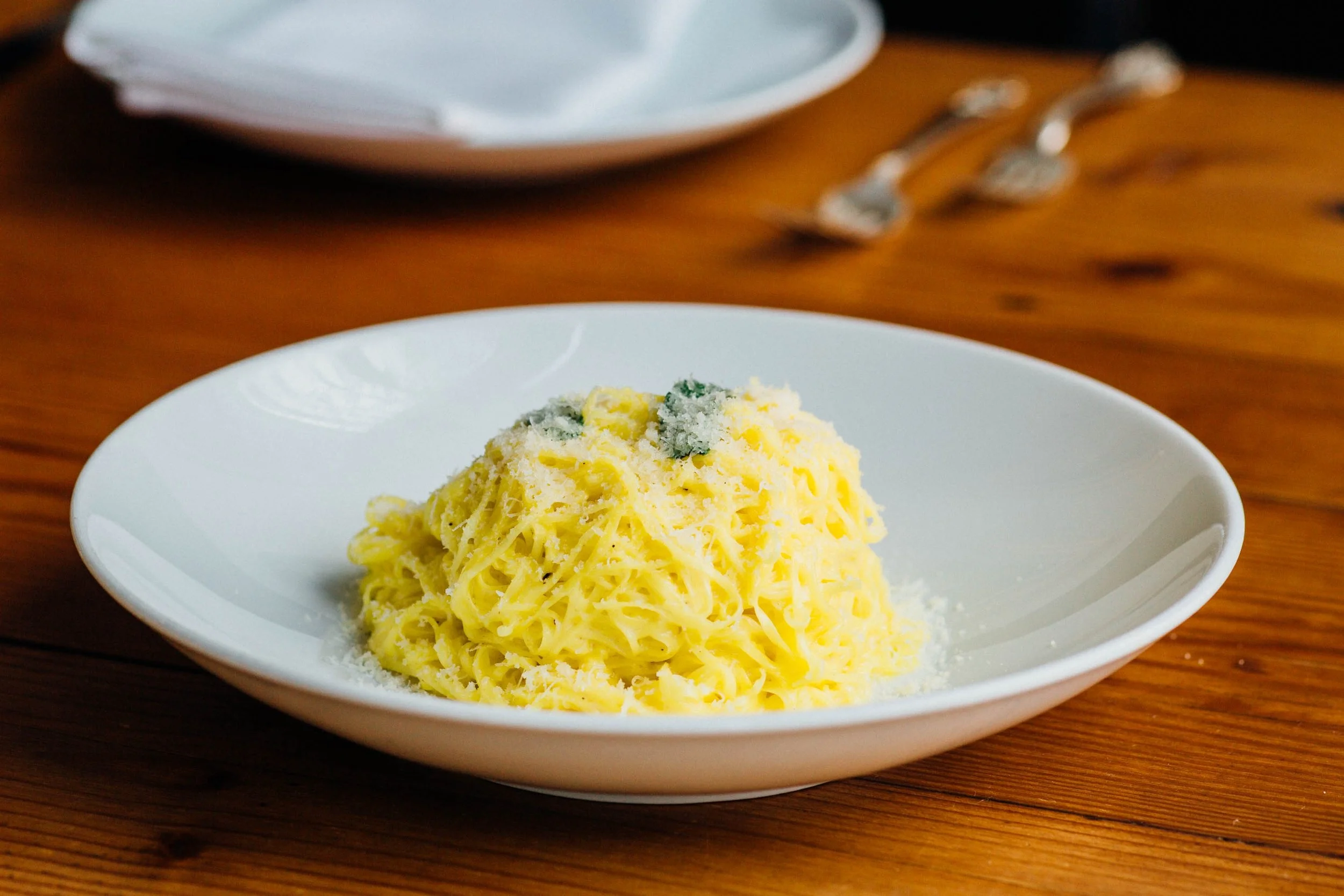
Tajarin con burro e salvia
Now, after years of feeding Seattle diners who keep score, Lane is fixated on something that lasts beyond a Friday night service, a cookbook: Spinasse, An American Love Letter to Piemonte Cuisine. “I am very excited to get a physical copy out to our guests that have supported us for years,” he says. “I wanted to create a legacy for a place that I have given the prime of my life to.” He also sees it as a quiet corrective to the way Italian food is flattened in America. “Piemontese cuisine is underrepresented in the world,” Lane says, and the point of the book is to put the evidence on paper of dishes worked and reworked for the last 18 years.
In other words, the lesson is not that a life needs a master plan; it needs a moment of revelation, and the patience to honor it for decades.
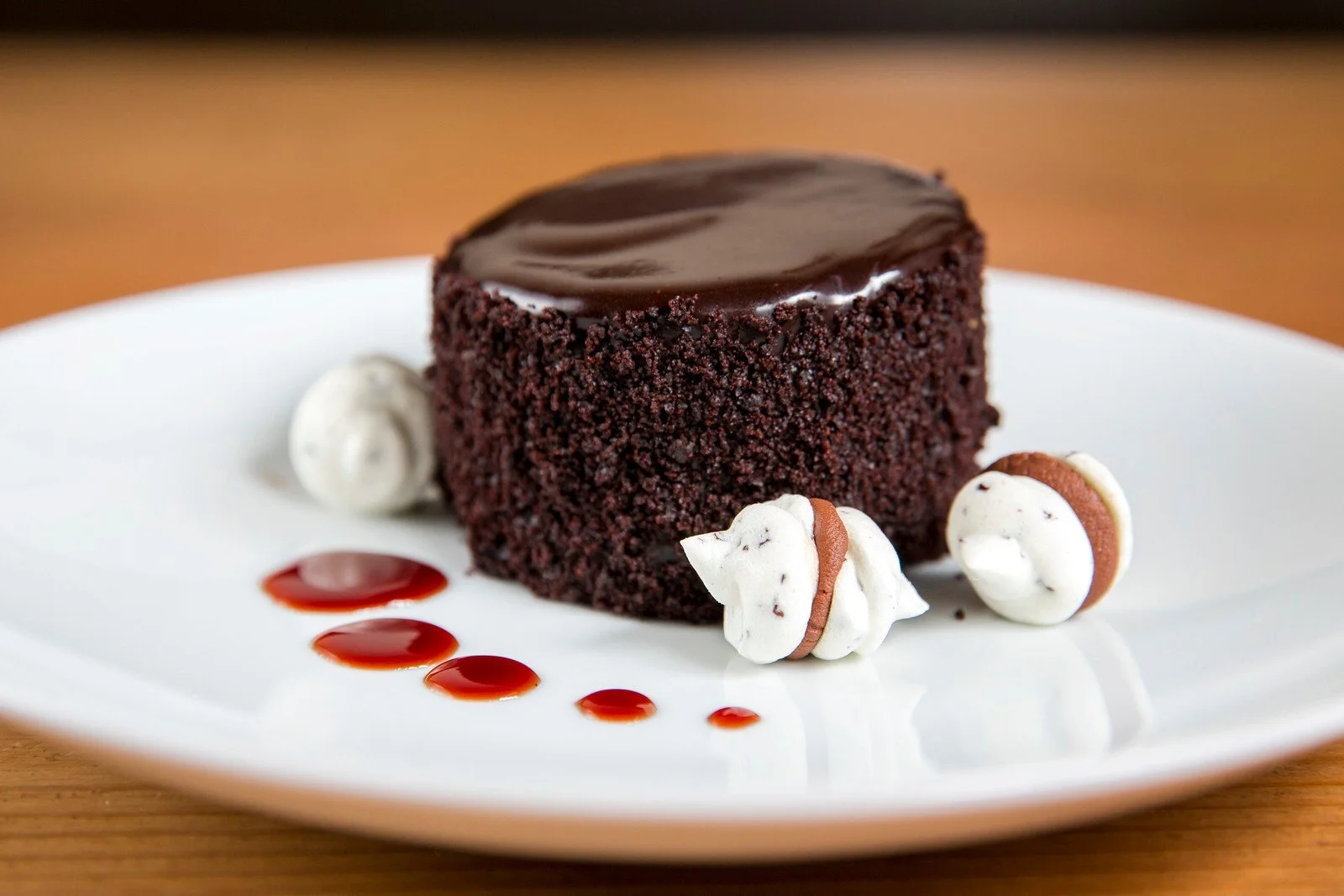
Spinasse chocolate cake
The Seattle Michelin Guide: Here are 12 Restaurants That Deserve Recognition
We combed the city for the restaurants Michelin inspectors need to visit if they ever make it to this Pacific Northwest culinary gem.


Hassan Obaye: How Humble Moroccan Beginnings Led to Le Colonial
Tracing his path from Morocco and French kitchens to leading seven restaurants nationwide.