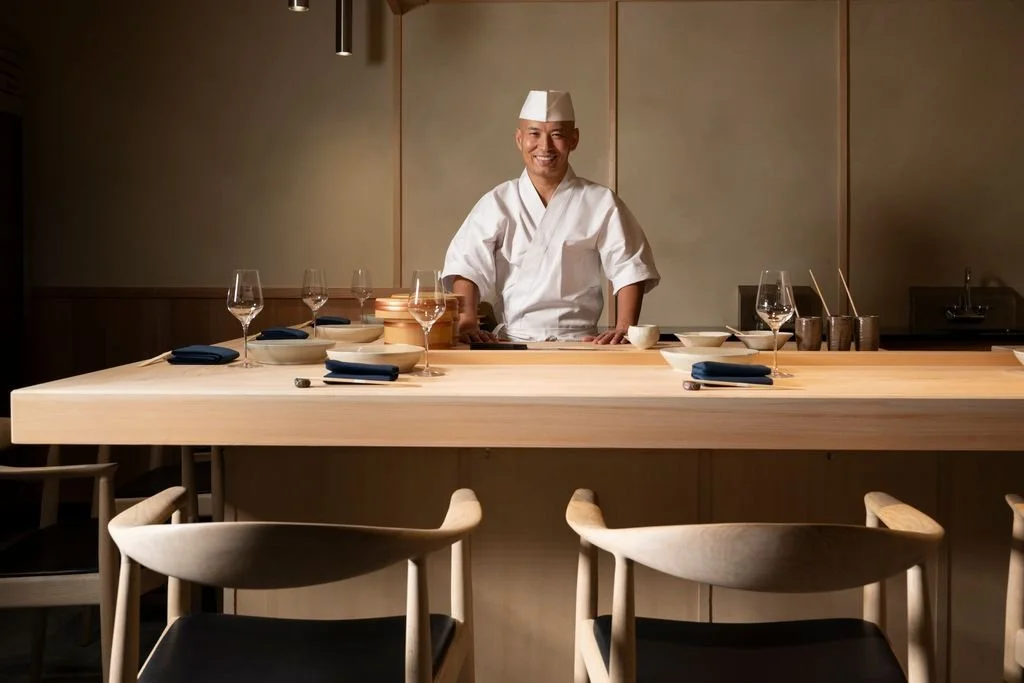
Yasu Tanaka
AUTHOR BIO: Eric Barton is editor of The Adventurist and a freelance journalist who has reviewed restaurants for more than two decades. Email him here.

Miami’s next big sushi statement is not a chandelier or a DJ, but a piece of wood older than the United States.
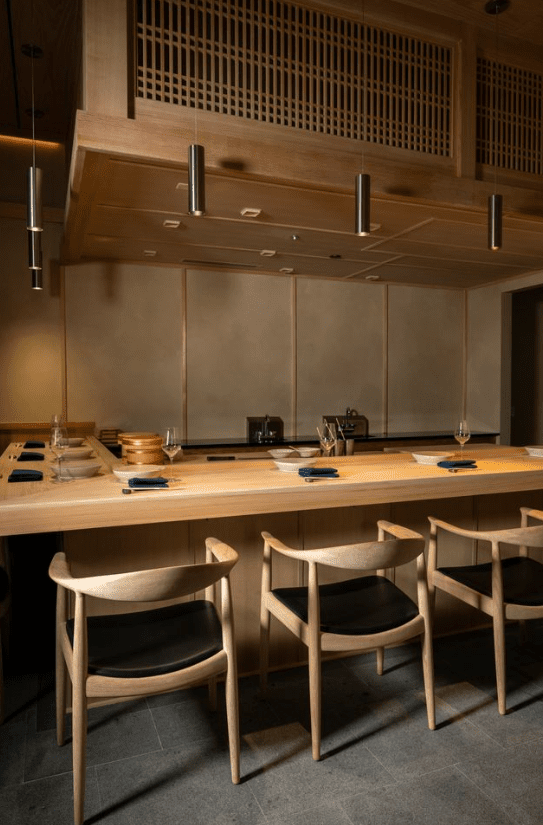
Chef Yasu Tanaka teamed up with Spicy Hospitality Group on YASU Omakase. The eight-seat counter in the Miami Design District was built around a 600-year-old hinoki wood bar that’s as much a star as anything that’ll end up between chopsticks. Tanaka, who has become one of the city’s most influential sushi craftsmen over the past decade, will lead the experience alongside chef Raymond Li, a longtime collaborator.
For those of us who have tracked Tanaka’s rise, the move feels like both a new chapter and a tightening of the lens. He has been everywhere lately, including as the chef behind Pari Pari, the Wynwood hand roll bar that brought his exacting approach into a more casual format. This new omakase spot reads like the opposite impulse: fewer seats, more silence, and a meal designed to play out at the pace Tanaka prefers.
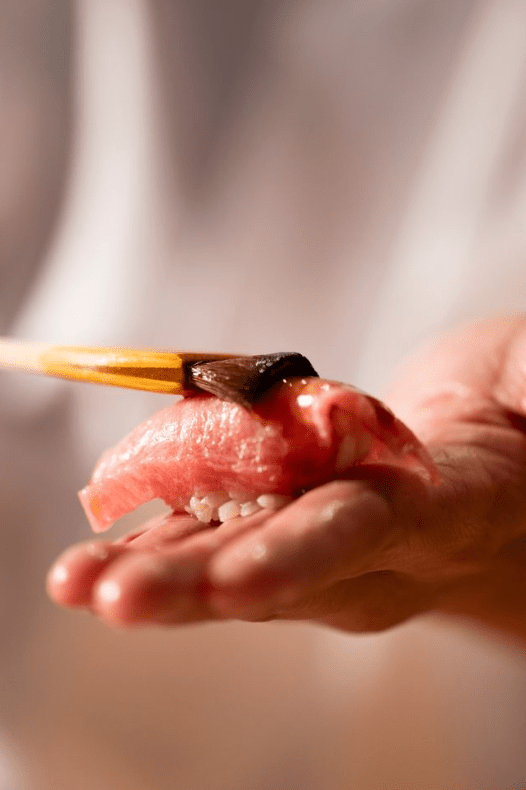
Tanaka’s own origin story has always sounded like the kind of travel detour that reroutes a life. Just out of college, he left Japan for an overseas volunteer program teaching middle school in Mozambique. When his students asked about sushi, Tanaka hunted down fish at a distant market and improvised a feast, despite having little formal experience making sushi at the time. The moment landed hard enough that, back in Tokyo, he enrolled in sushi school and spent the next decade training and working his way up.
That path eventually took him to Azabu in New York, where he spent three years at the Michelin-starred restaurant before coming to Miami and running The Den, Azabu’s hidden omakase counter on South Beach. He left to open Sushi Yasu Tanaka, a counter in MIA Market, where his omakase plates are just simply some of the best sushi in the city, earning him a recommendation from the Michelin Guide. Tanaka has always talked about sushi the way carpenters talk about levels and joints. He obsesses over rice, temperature, and the small, unglamorous decisions that determine whether a piece of fish tastes merely expensive or actually alive.
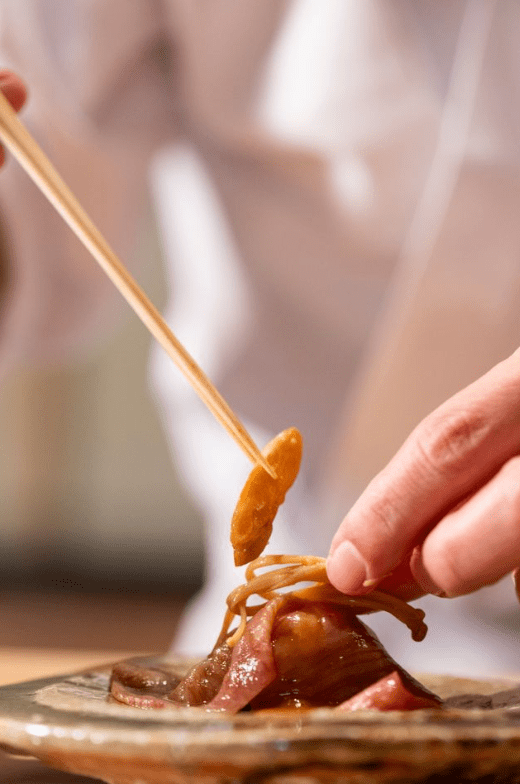
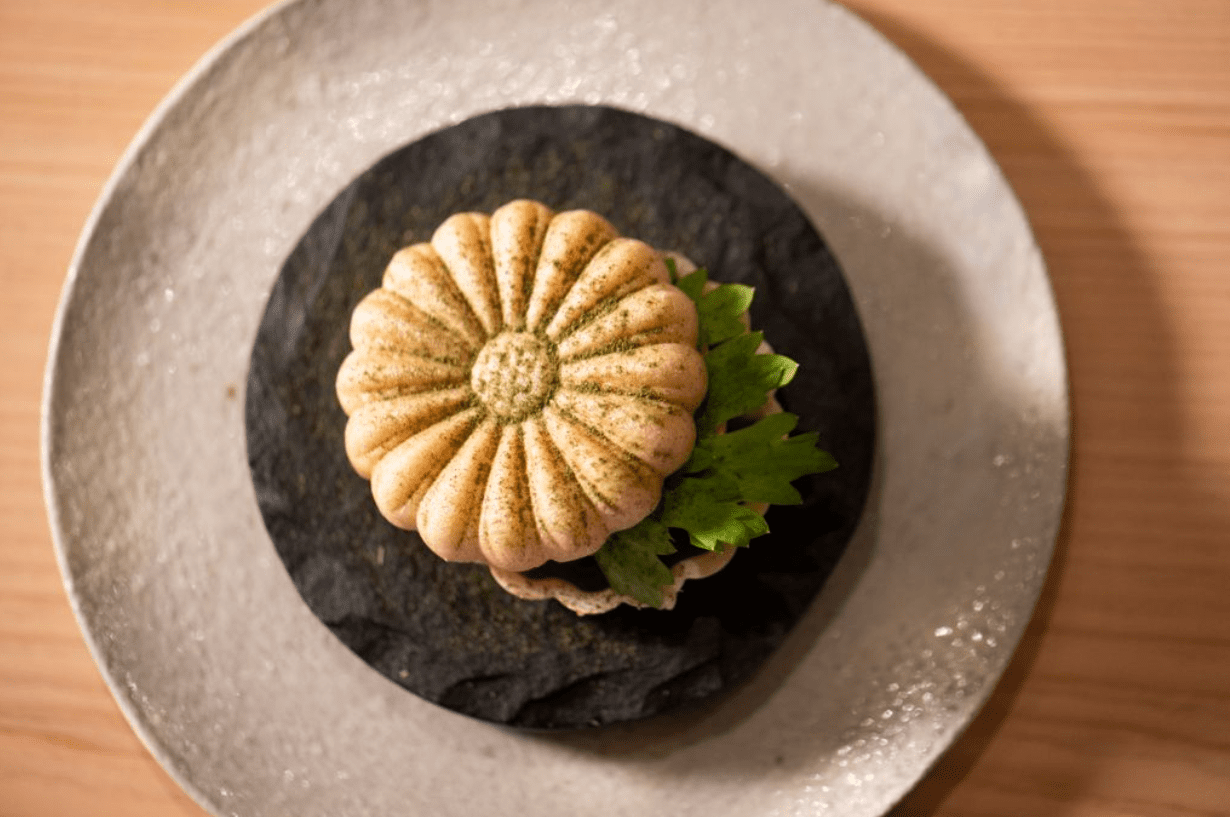
YASU is built to showcase that mindset. The restaurant will offer an Omakase of 14 to 16 courses that shift with seasonality and sourcing. The progression begins with three to five otsumami, then moves into nigiri, miso soup, a signature hand roll, and a seasonal dessert.
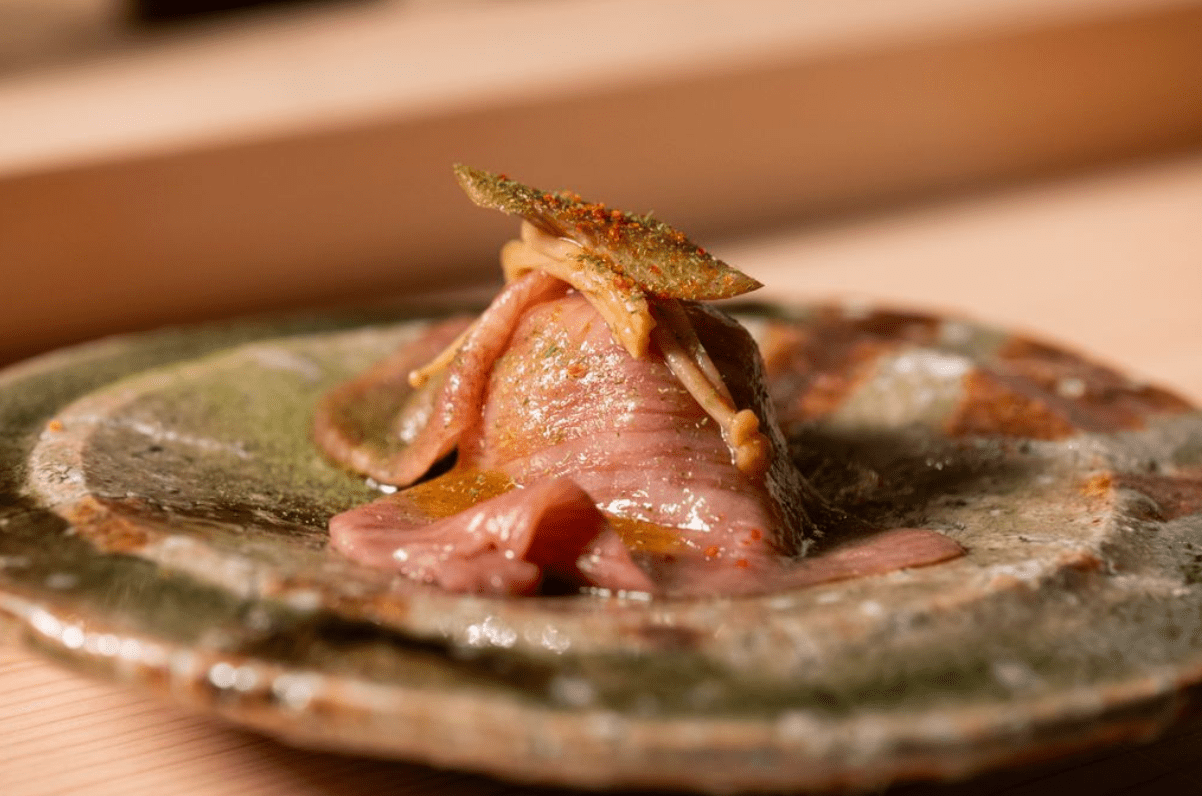
The menu pulls heavily from Tokyo’s famed fish market, Toyosu, with Florida fish worked in as both contrast and context. The beverage program centers on a curated sake list, with optional pairings, plus a concise wine selection designed to stay out of the fish’s way.
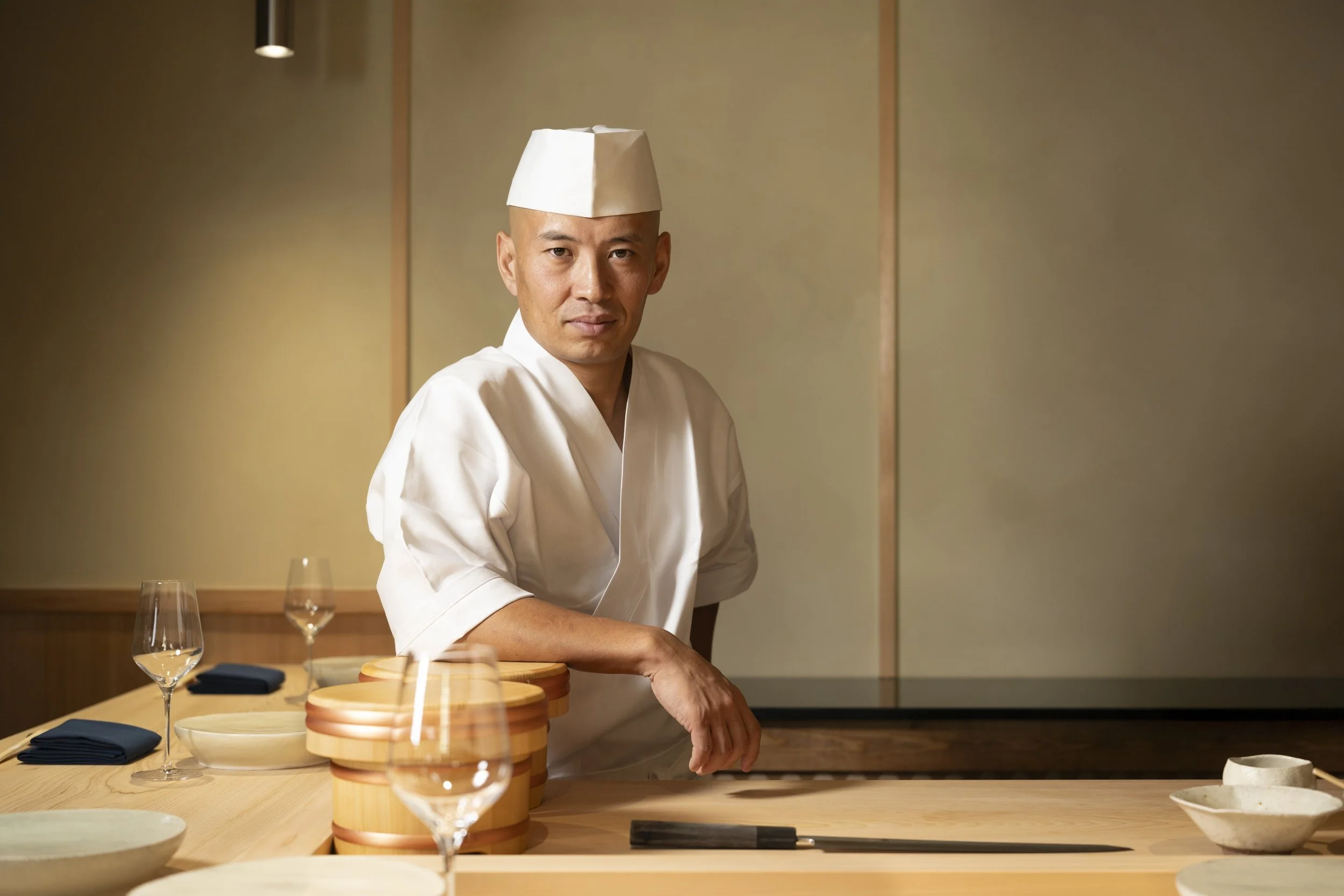
The space itself leans into ritual. Along with the hinoki counter, the design incorporates Japanese artisan work, including intricate kumiko woodworking, and a spare, Nordic-leaning minimalism that keeps the focus where Tanaka wants it: on the hands, the knife, and the next piece of nigiri. A private room anchored by a second hinoki counter is planned to open soon. Reservations are available here.
It is a long way from that first improvised sushi lesson in Mozambique to an eight-seat counter in the Design District, but Tanaka has always cooked like he was headed here.

The Hottest Restaurants in the Magic City for 2026
Miami isn’t a city that clings to its past; it’s one that constantly reinvents itself, and nowhere is that more apparent than at these—the Magic City’s 17 best restaurants.


Where to Eat, Stay, and Play in New York: Our Travel Guides for the Empire State
From Fifth Avenue shopping to the finest restaurants in Syracuse, we have New York covered.