SAFE
PASSAGE
A research project asked how Black Americans traveled. The answers still land.
By Eric Barton | March 17, 2026
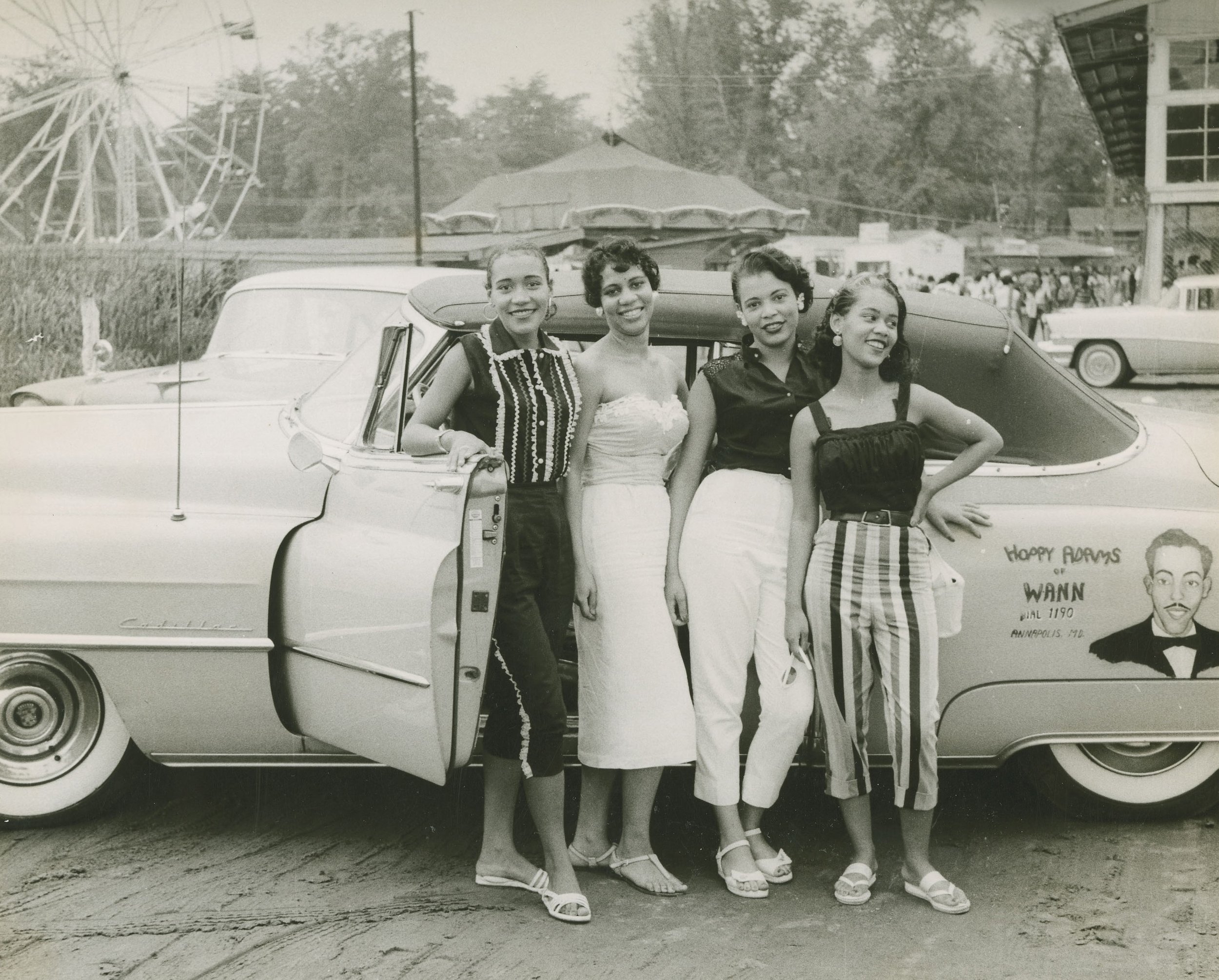
C. 1958
The old Union Station in Omaha is a fitting place for an exhibit about a road trip. Built in 1931, it’s a palace to Art Deco grandeur and once saw ten-thousand travelers come and go on an average day. Now it houses The Durham Museum, which has taken on what must have been on the minds of many of those travelers: how they could possibly find a place to eat or sleep that night, a reminder that the open road has never been equally open.
The Negro Motorist Green Book exhibit takes up the guide Black travelers used during segregation to find places where they could eat, sleep, buy gas, and make it through a trip with some measure of safety and dignity. And in Omaha, the story gets even better, or maybe more revealing, because the exhibit is tied to local research that shows just how much Nebraska belongs in that history.
The exhibit does more than explain a national artifact behind museum glass. It connects to a broader project to map and preserve Green Book businesses and to make this history easier to see on the ground. That means Omaha is not just hosting a traveling Smithsonian exhibition. It is also helping turn Nebraska’s Green Book story into something people can actually follow across the state.
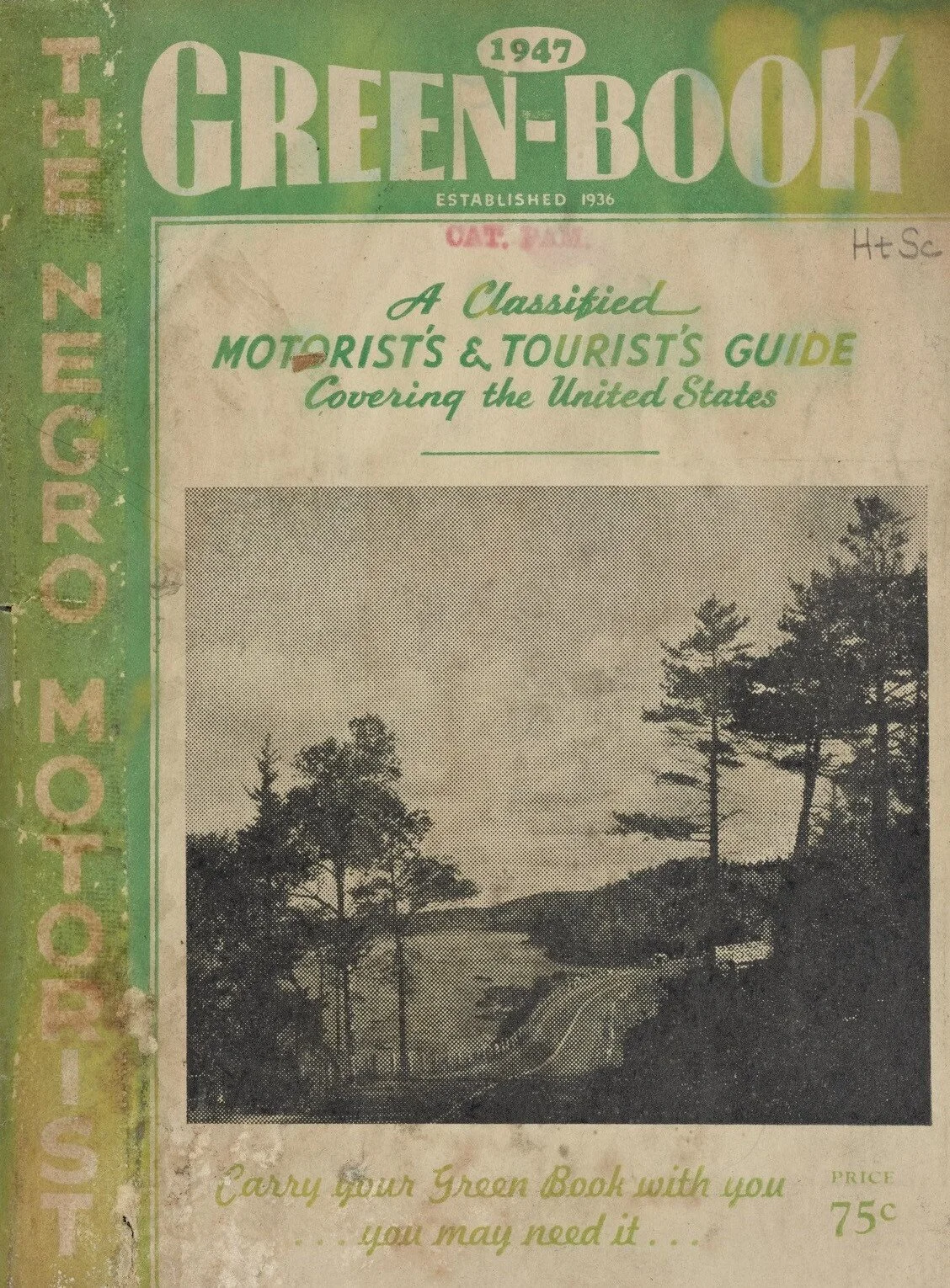
The Green Book, 1947
The Green Book got its start in 1936, dreamed up by a Harlem postal worker named Victor Green. It became an annual guide for Black travelers navigating the Jim Crow era, listing businesses where they would be welcomed. The Durham Museum’s exhibit uses photographs, historic footage, and firsthand accounts to show both the risks of travel and the systems Black families built to get around them.
Kristine Gerber, the historian who led Omaha’s local research, put the stakes plainly. “The Green Book wasn’t just a guidebook,” she told me. “For many families, it was a lifeline that made travel possible at all.” This was not a roadside guide for the glove compartment. It was a manual for getting from one place to another without gambling blindly on who might serve you, who might threaten you, and who might pretend not to see you standing there.
Gerber worked with the Making Invisible Histories Visible program organized by the Omaha Public Schools. Students documented 30 former Green Book sites in the city, many in the Near North Side and others in South Omaha. What they found says as much about community as it does about travel. “Green Book sites almost always appeared where African Americans lived and built community,” Gerber says.
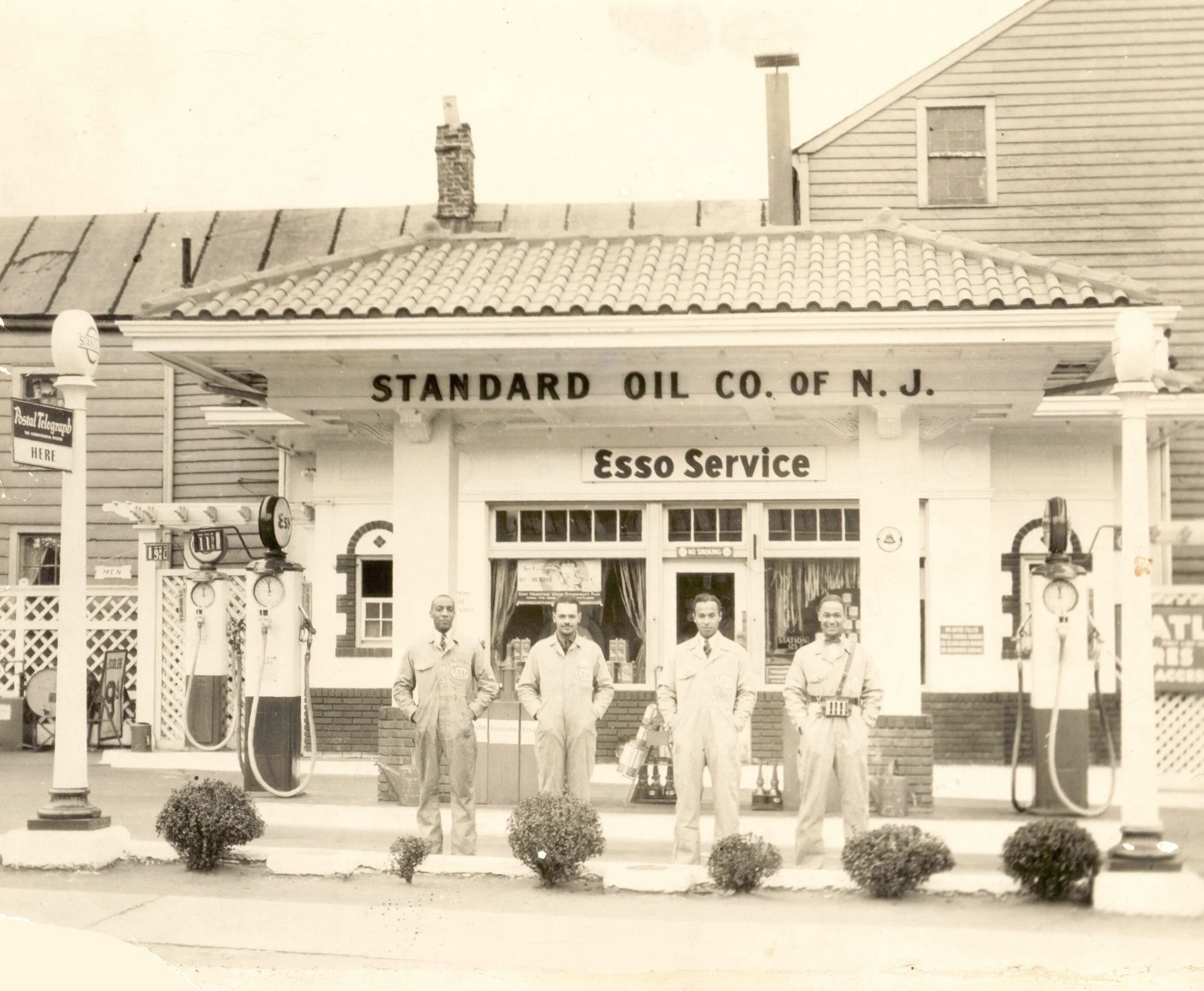
A service station in Newark, N.J.
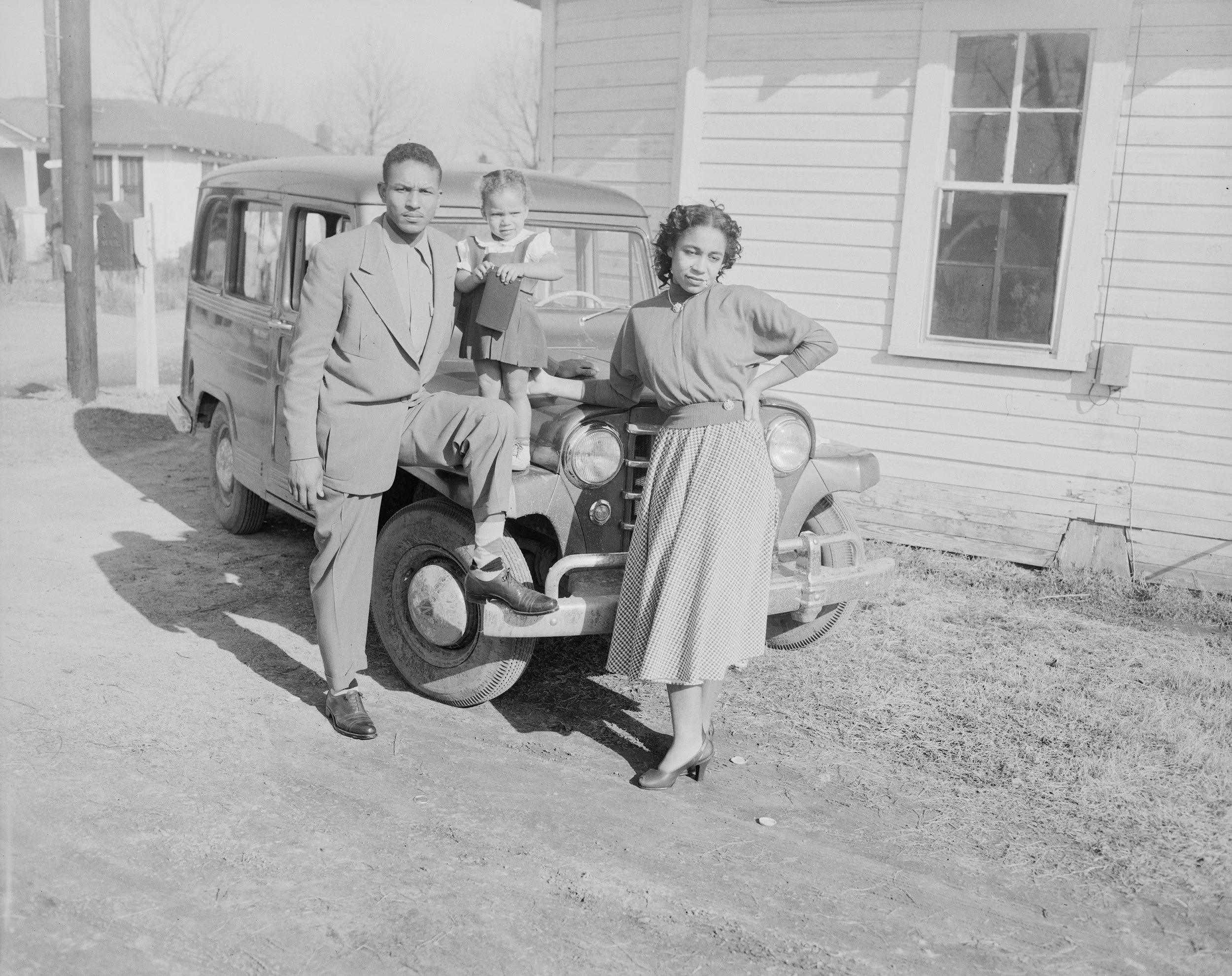
Some of the details they dug up tell stories about that era. Black travelers stayed at The Patton Hotel, owned by Minnie Patton a few blocks from Omaha’s train stations. Patton kept a scrapbook of her guests, and the names weren’t just average folks but also celebrities, including Joe Louis and Cab Calloway.
C. 1948
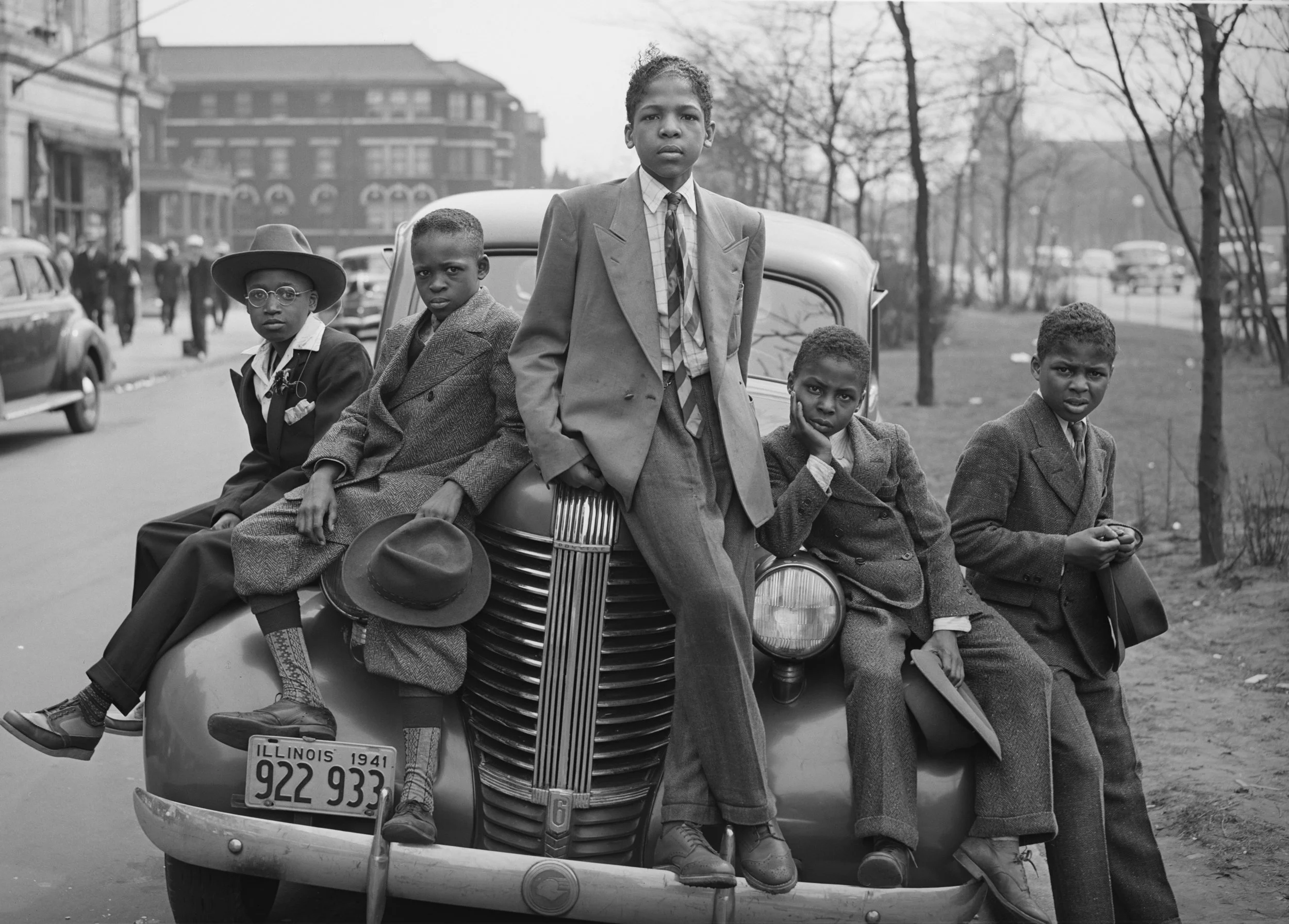
Chicago, C. 1941
Nationally, about eight in 10 of Green Book businesses were Black-owned. In Omaha, however, the students found that only about 60 percent were owned by Black Americans. Others were owned by Jewish business owners and immigrants from places like Yugoslavia and Czechoslovakia. That shows how Omaha’s Near North Side was not just a Black neighborhood but also a place where different people, all acquainted with discrimination, lived near one another and did business together.
Some of those sites are still here. Gerber told me about the former Cozy Grill and the old Railroad Men’s Night Club, also known as the Carnation Ballroom, both now being restored. The former Johnson Drug Store, once run by pharmacist Milton Johnson, has been given new life as offices for the nonprofit I Be Black Girl. In Omaha, she said, about 38 percent of former Green Book buildings are still standing.
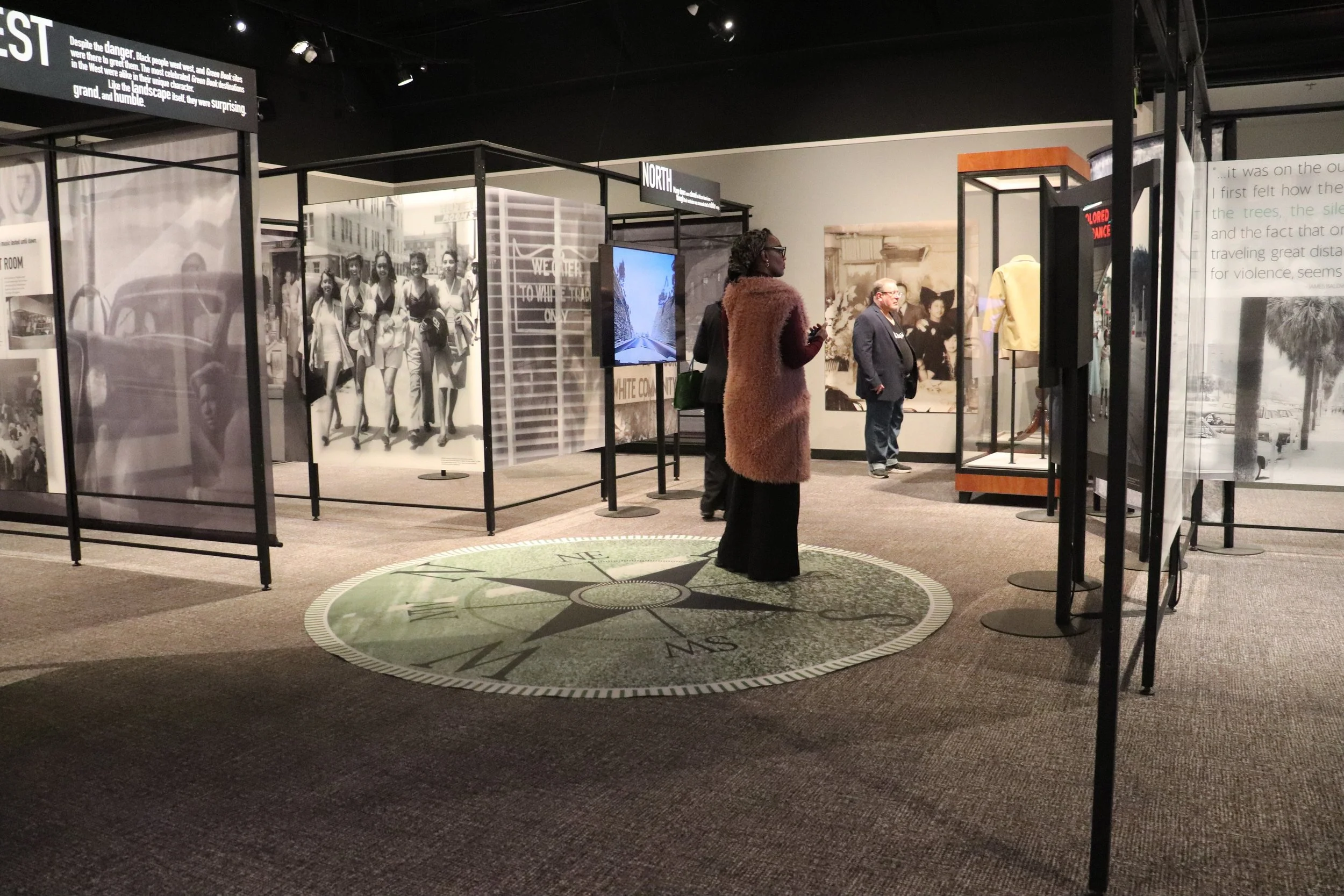
The Durham Museum
That physical survival is part of what Visit Nebraska and History Nebraska are trying to build on. Visit Nebraska has pulled together Black history sites and experiences around the state, while History Nebraska’s Green Book project is mapping known sites and working toward preservation efforts, including National Register recognition for places tied to this history. Gerber told me, “National Register nominations do more than simply acknowledge history. They open the door to Federal and State Historic Tax Credits, which make restoration projects financially possible.” In other words, this is not only about remembering what happened. It is also about making sure the places that held this history don’t get knocked down.
That is the part of the exhibit that makes it more than just a display in a museum. It points outward, toward neighborhoods, buildings, classrooms, and roads. It treats this history like something that lives.
AUTHOR BIO: Eric Barton is editor of The Adventurist and a freelance journalist who has reviewed restaurants for more than two decades. Email him here.


The Best Omaha Restaurants: The City’s Dining Boom Is Real
A dozen standout Omaha restaurants, from chef-driven tasting menus to beloved low-key joints, picked like an adopted local.

Baltimore Michelin Guide: The Star-Worthy Restaurants in Charm City
If the Michelin Guide covered Baltimore, these are the restaurants that would earn stars and Bib Gourmands.