RESTAURANT NEWS | FLORIDA
Indigenous Closes as Independent Restaurants Feel the Squeeze
The celebrated Sarasota restaurant’s closing comes as the economics of running such a place grow increasingly unforgiving.
By Eric Barton
7:21 a.m. ET, Sept. 16, 2026
AUTHOR BIO: Eric Barton is editor of The Adventurist and a freelance journalist who has reviewed restaurants for more than two decades. Email him here.

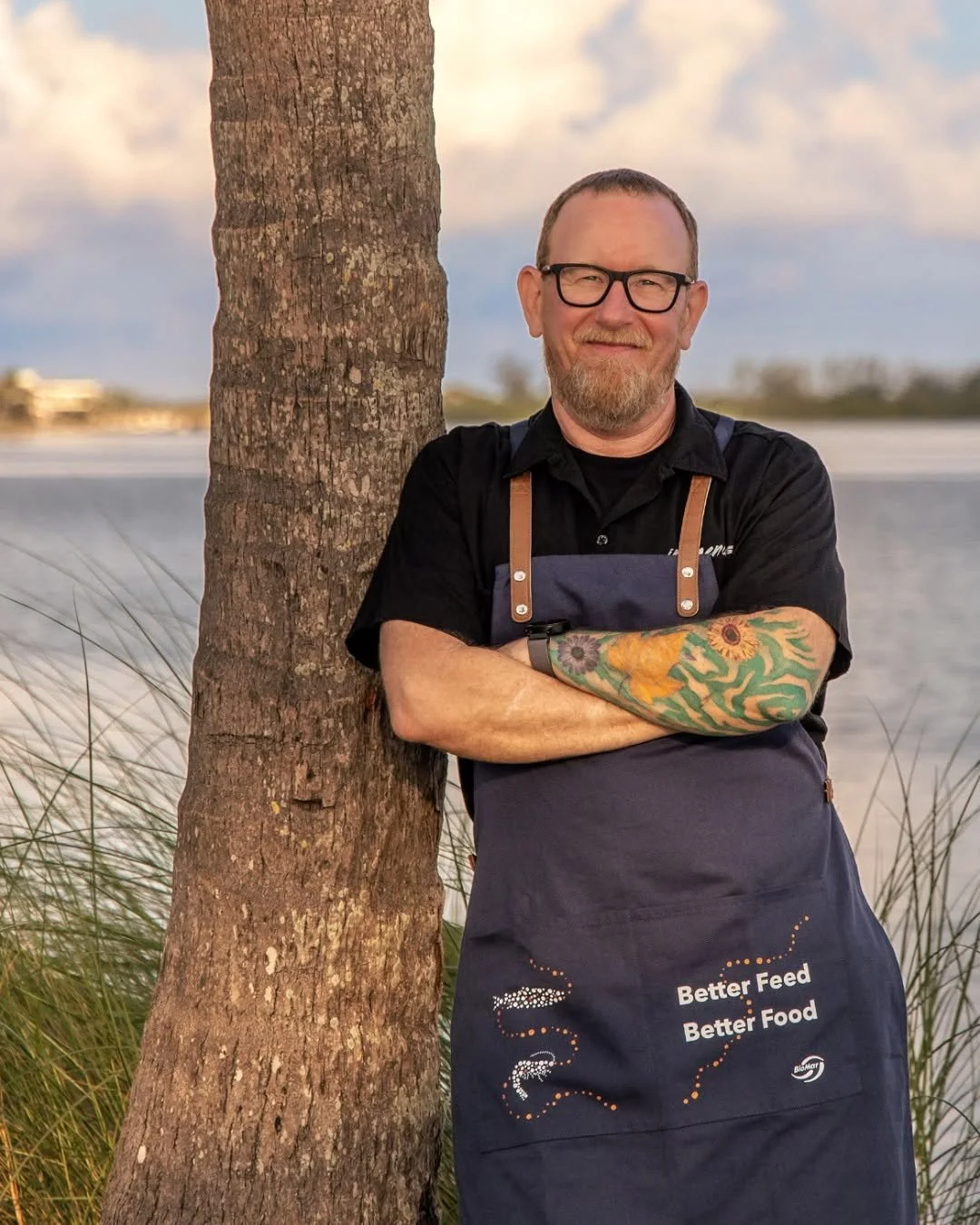
Indigenous never treated “local” as a decorative word to drop onto the bottom of a menu. For 15 years, chef and co-owner Steve Phelps built the Sarasota restaurant around relationships with farmers, fishermen, bakers, and small producers—the people who could tell him what had come from the water or field that week.
Now Indigenous has closed.
“After 15 years of serving this community and working with our staff, farmers, fishermen, bakers, producers, and community, we are ready for a change,” the restaurant announced on Instagram. “We are so proud of our accomplishments, accolades, and the love that you so graciously awarded our hearts with.”
Steve Phelps
No specific explanation was given. The closing, then, shouldn’t be assigned a cause that Phelps and the restaurant haven’t named. Still, the timing is difficult to separate from what is happening across the independent restaurant industry—especially at places attempting food at the level Indigenous did.
The restaurant opened in 2011 inside a cottage in Sarasota’s Towles Court neighborhood. Phelps became known nationally for his work with sustainable seafood, earning two James Beard Award semifinalist nominations for Best Chef: South and using the restaurant to discuss ocean health, responsible fishing, and the consequences of treating the Gulf as an endless pantry.
That philosophy came with difficult arithmetic. Purchasing from independent farms, fishermen, and artisan producers can mean paying the actual cost of careful work, rather than shopping strictly for the lowest number on a distributor’s spreadsheet. Turning those ingredients into precise, frequently changing dishes also requires cooks who can operate at that level—and finding and keeping them costs money.
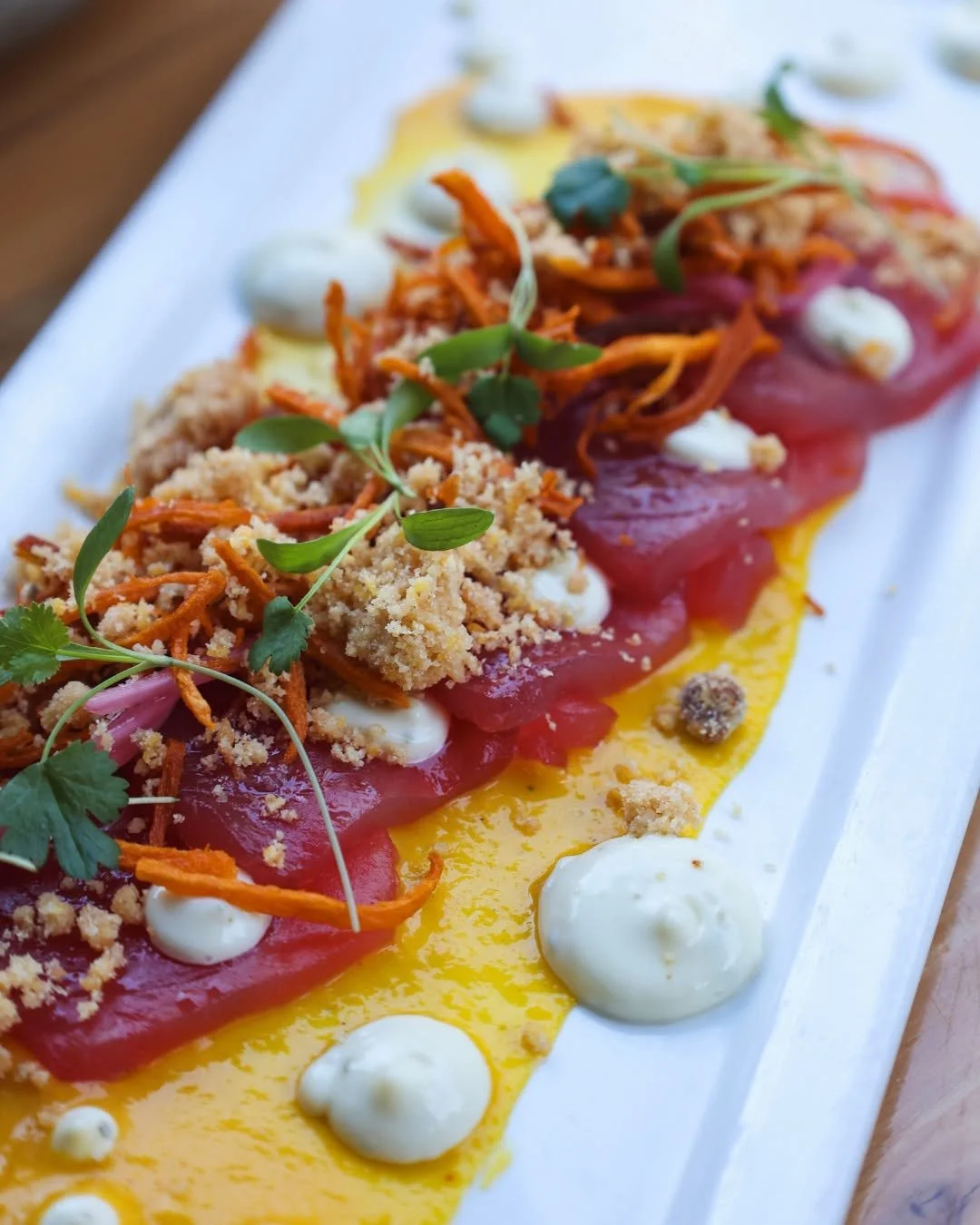
Tuna tiradito
The James Beard Foundation’s 2026 Independent Restaurant Industry Report identified rising operating expenses, labor costs, and the search for qualified employees as restaurants’ leading concerns. Nearly half of the operators surveyed reported some degree of understaffing. The National Restaurant Association found that 42 percent of operators said their restaurants were unprofitable last year, even as diners continued to say they wanted to eat out.
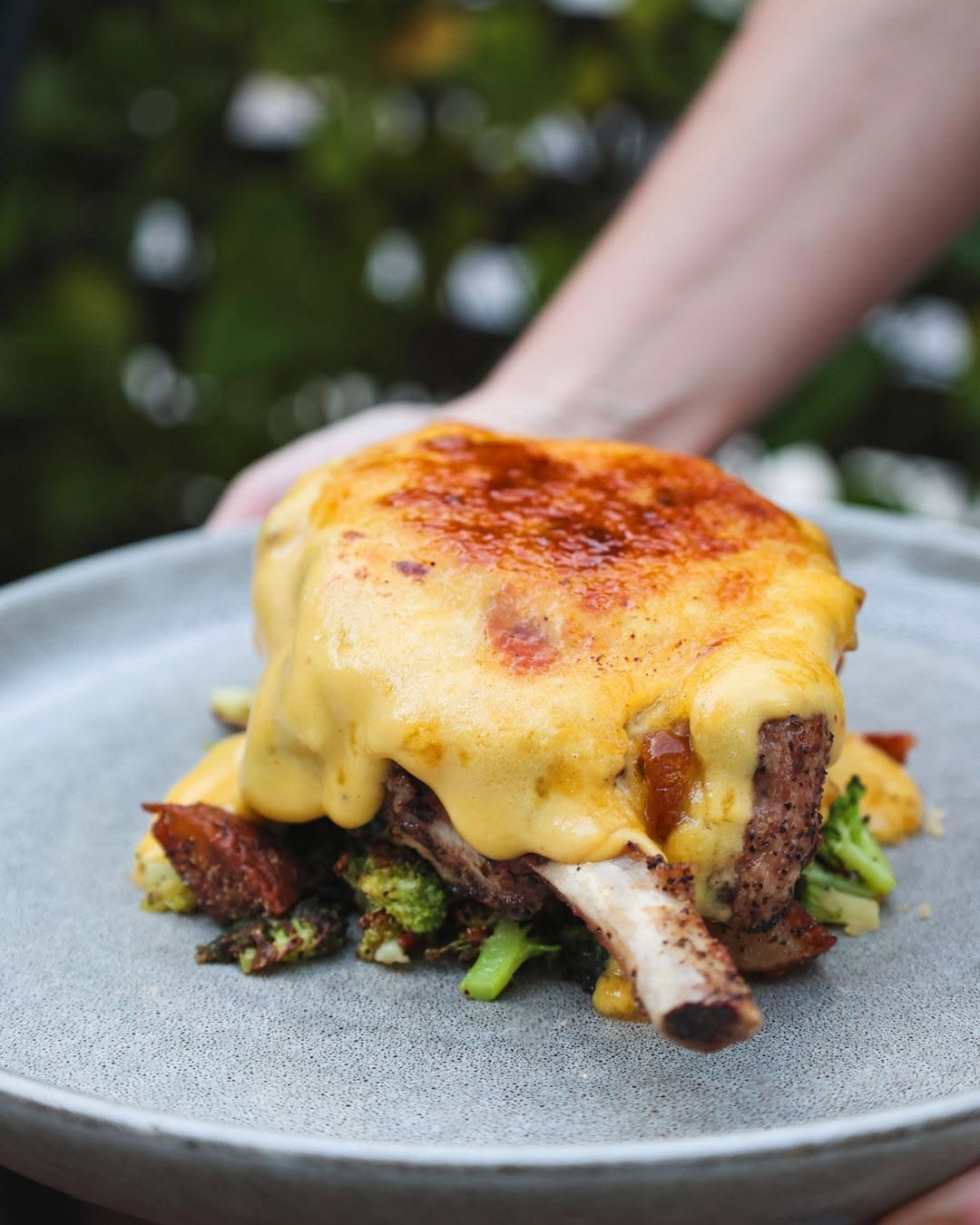
Cheshire pork chop

Fruity Pebbles panna cotta
Indigenous joins a sobering list of acclaimed independents lost during the past year. Seattle’s Whale Wins, where James Beard Award winner Renee Erickson built a menu around seafood and seasonal ingredients, closed after costs outpaced sales and customer counts declined. Michelin-starred Olamaie closed in Austin as chef-owner Michael Fojtasek cited rising labor expenses, slow summers, and a difficult market. Cadence, the James Beard-nominated vegan soul food restaurant in Manhattan, shut down after a substantial rent increase. Different cities, different pressures, same uncomfortable lesson: praise cannot cover payroll.
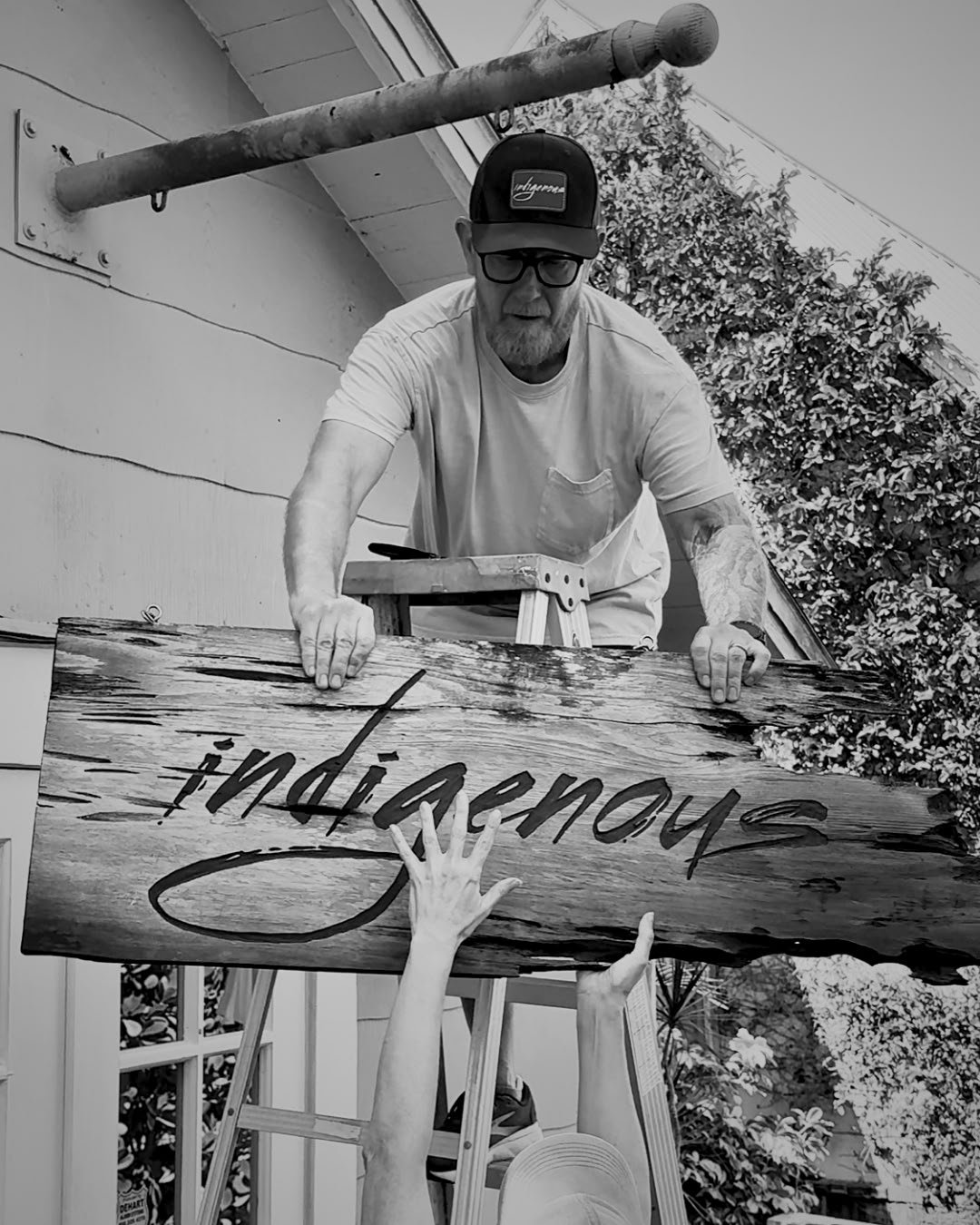
A final post from Indigenous
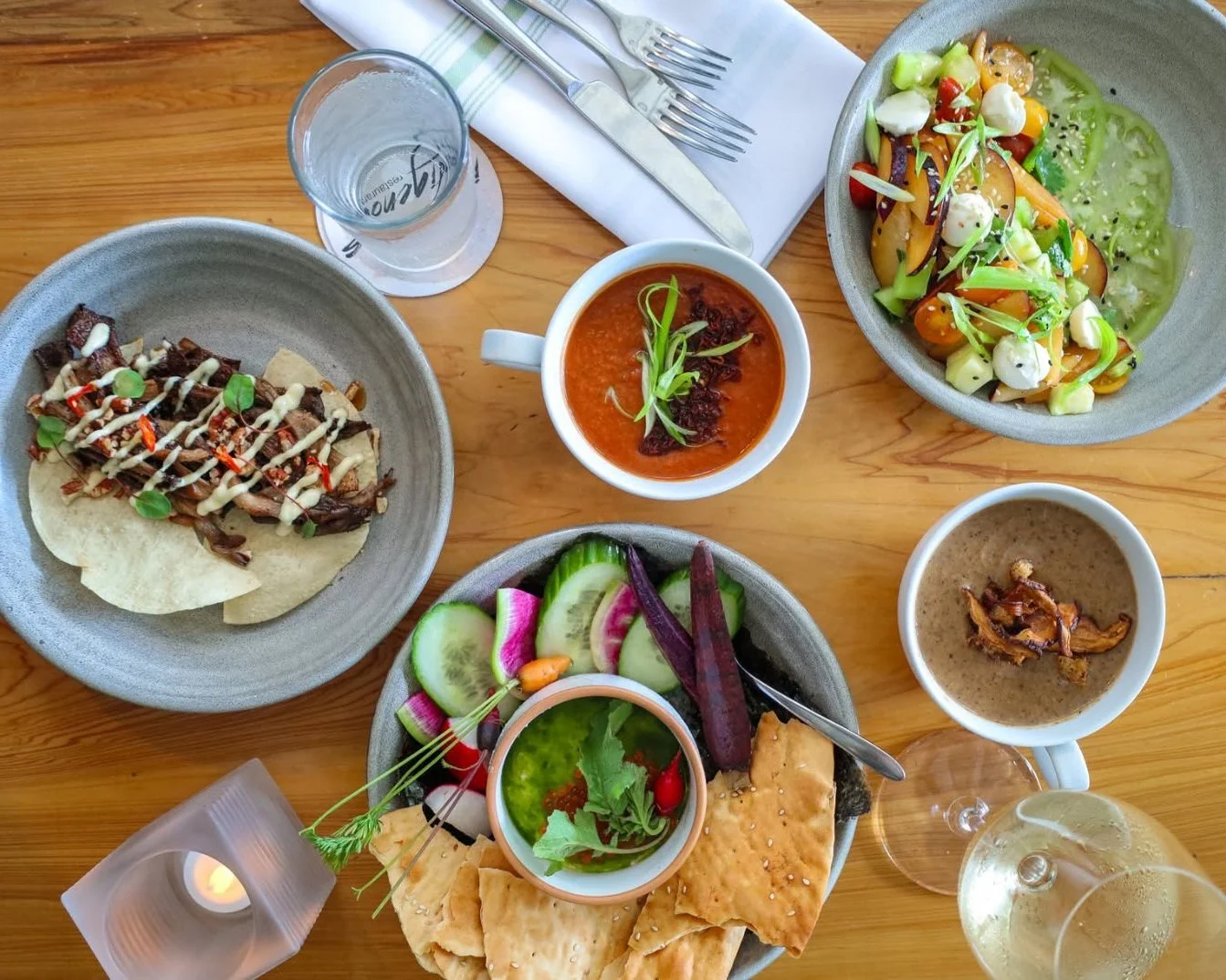
Indigenous leaves behind mushroom bisque, sustainably sourced Gulf fish, summer sandwich nights, and a generation of Sarasota diners taught to ask where dinner came from. Its closing also removes one customer from every farmer, fisherman, baker, and producer named in its farewell. That may be the cruelest part of losing a restaurant built so deliberately around its community: the empty tables are only where the damage begins.

Nest in downtown Baltimore pairs chef Loic Sany’s Cameroonian and Caribbean flavors.
By MARIA RODRIGUEZ