RESTAURANT NEWS | MIAMI
Takay Is Built for the New Era of Omakase
The 10-seat counter follows a trend toward tiny counters, longer menus, and sushi served one at a time.
TAKAY | MAP | INSTAGRAM
By Eric Barton
10:25 a.m. ET, July 8, 2026
AUTHOR BIO: Eric Barton is editor of The Adventurist and a freelance journalist who has reviewed restaurants for more than two decades. Email him here.

For years, omakase in America often arrived as a side room or back counter, the serious little annex inside a broader sushi or pan-Asian restaurant. A few seats, a chef reaching across the counter, and a belief that sushi is best understood one piece at a time. That’s changed recently into tiny dining rooms, longer menus, imported seafood, and silent calculations about how many bites equal dinner.
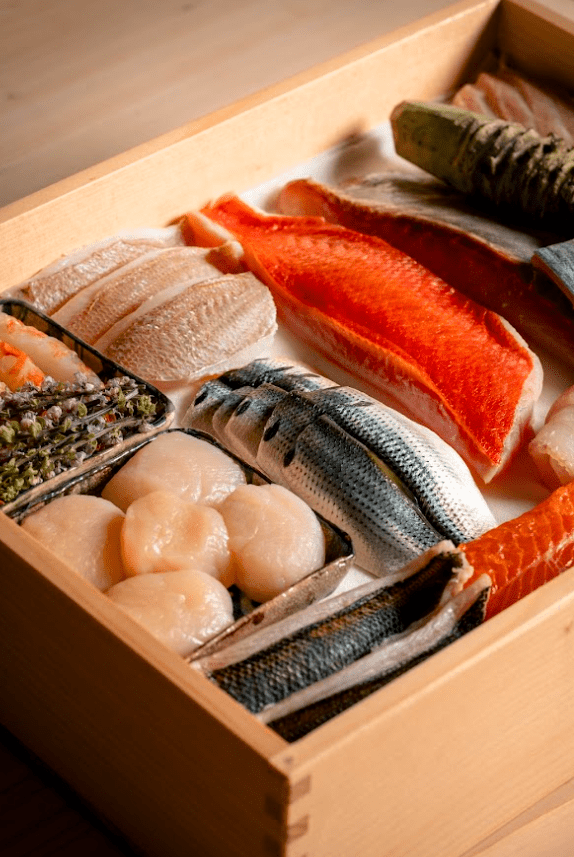
Takay is Miami’s latest entry in that progression, a 10-seat omakase counter from chefs Glen Kotlyarski and Yoni Matz. Kotlyarski arrives having spent more than two decades in Japanese restaurants, including time at Hiden, Miami’s Michelin-starred omakase counter. The restaurant is built around Edomae-style sushi, fish flown in from Japan, local farm produce, and a 17-course menu priced at $250 per person.
The mini omakase counter has become a thing lately, both in Miami and nationally. A few blocks away in Coral Gables, Shingo Akikuni runs SHINGO, a Michelin-starred 14-seat omakase counter in the historic La Palma building. In New York, Sushi Noz has turned smallness into architecture, with an eight-seat hinoki counter and a six-seat room built of rare ash wood. Noz 17 goes even tighter, with a seven-seat main counter and a four-seat counter it calls the smallest omakase counter in New York City. In Los Angeles, Sushi Kaneyoshi works from a basement in Little Tokyo, serving Edomae sushi built around fish aged and cured in the classic Tokyo style.
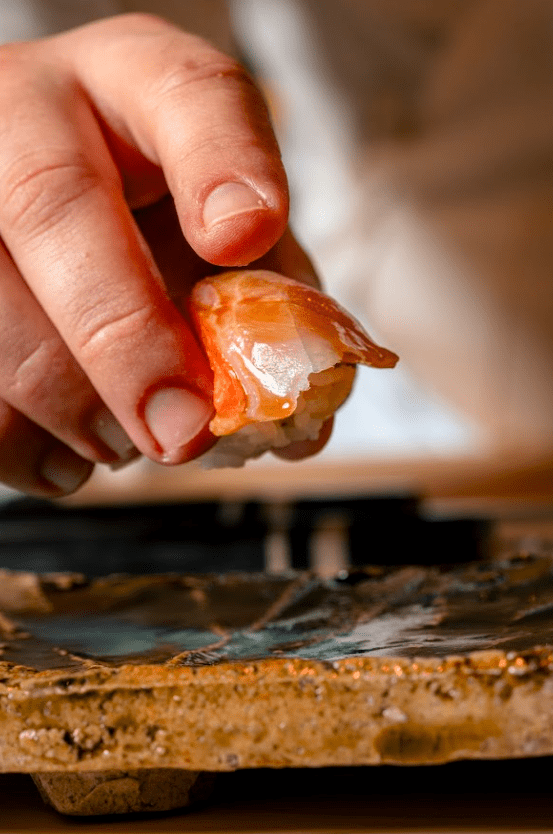
The trend of smaller sushi counters built around the chef’s choice format more closely mirrors how it’s done in many restaurants in Japan. Matz said in a release that Takay is “the culmination of decades of experience and a deep respect for Japanese culture.”
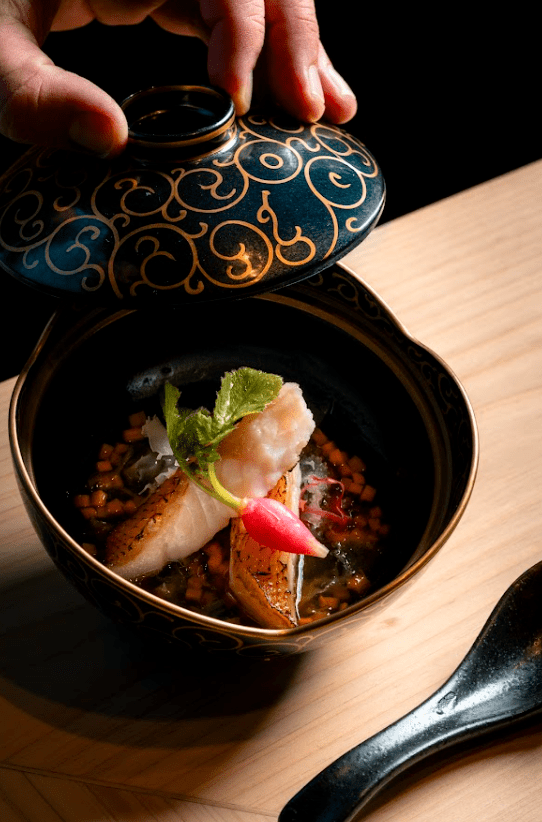
Takay’s 800-square-foot space was designed by Japan-based firm KTX, beginning with a small zen garden and leading to a counter beneath a hinoki wood installation inspired by Hokusai’s The Great Wave. Shoji-style panels soften the room, while South Florida coral stone keeps the restaurant from feeling airlifted whole from somewhere else.
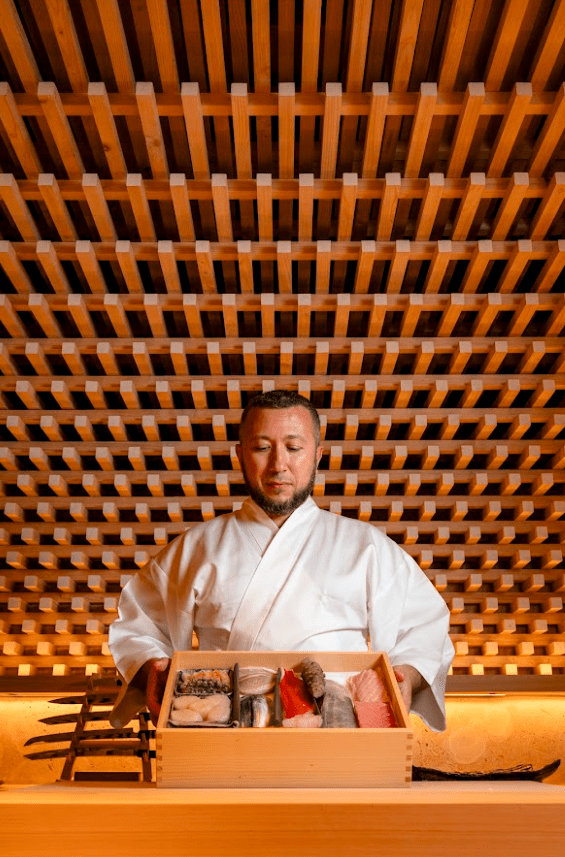
Kotlyarski
The fish can come from Japan, the counter can nod to Tokyo, and the courses can keep coming until the number starts to feel never-ending. But the best version of this kind of restaurant happens in the few feet between chef and guest, where luxury gets stripped down to timing, temperature, rice, fish, and trust.