CHEF PROFILES | OREGON
Hajime Sato’s Long Argument With the Sushi Counter
The chef risked a thriving restaurant on sustainable seafood—and eventually won a James Beard Award for refusing to reverse course.
By Mei Chen | Sept. 17, 2026
AUTHOR BIO: Mei Chen has worked for nearly a dozen start-ups in as many years, taking her to several West Coast cities. While she’s sure her current day job is permanent, she also has her eye on Carmel.

Hajime Sato’s first food memory is not some pristine piece of fish or a bowl of rice prepared with generations of inherited wisdom. It is bread covered in margarine.
His mother made it when he was growing up in Utsunomiya, Japan. It has survived quite well in his memory. “It was so gross, and I hated it. I still hate fake foods like margarine.”
His grandmother provided the antidote. Sato would take the train to her house in Tokyo, where she cooked from scratch, refused to hurry, and paid attention to every flavor. Those meals established a standard that has followed him from Japan to Idaho, Seattle, Michigan, and now Oregon. “I hope someday that I can make food as delicious as hers.”
Sato has spent more than three decades trying. Along the way, he became one of the country’s earliest advocates for sustainable sushi, risked a successful restaurant on the idea that diners could learn to crave unfamiliar fish, and won the 2024 James Beard Award for Best Chef: Great Lakes. His latest restaurant, the 14-seat Sazanami in Beaverton, returns him to the Pacific Northwest and gives him another small counter from which to make a very large argument about how Americans eat seafood.
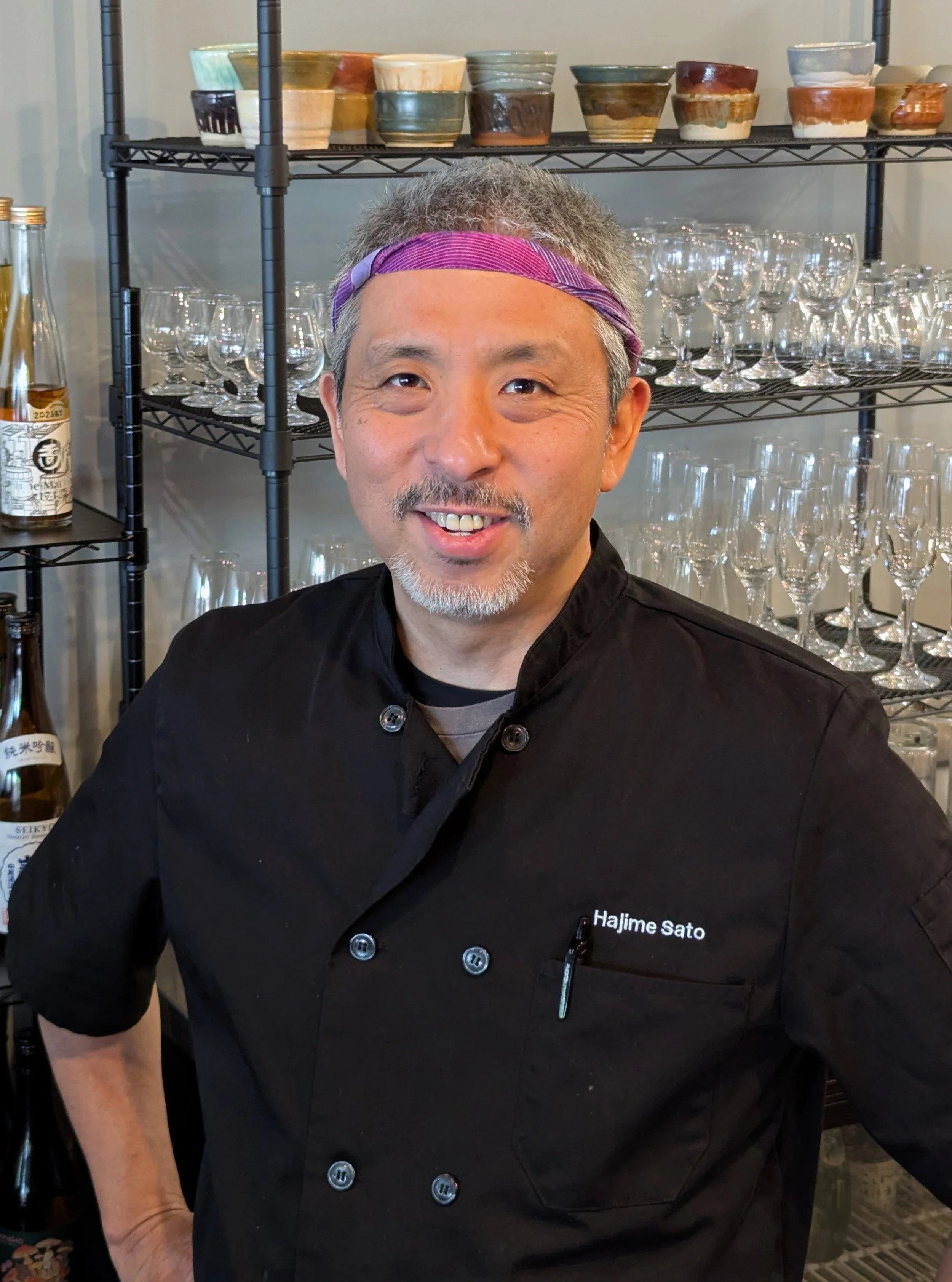
Sato first came to the United States as an exchange student in Coeur d’Alene, Idaho, before moving to Seattle for college. His English was limited, his résumé was thin, and classes consumed most of his time. A restaurant hired him to clean and handle prep work, then eventually trusted him to cook.
The job gave him a glimpse of something he had not expected. He would peek into the dining area and watch strangers eat what he had made.
“When I could see people enjoying my food, I was so excited,” he says. “I saw that good food could reach people and make them happy. Seeing people enjoy my food still gives me such a great feeling.”
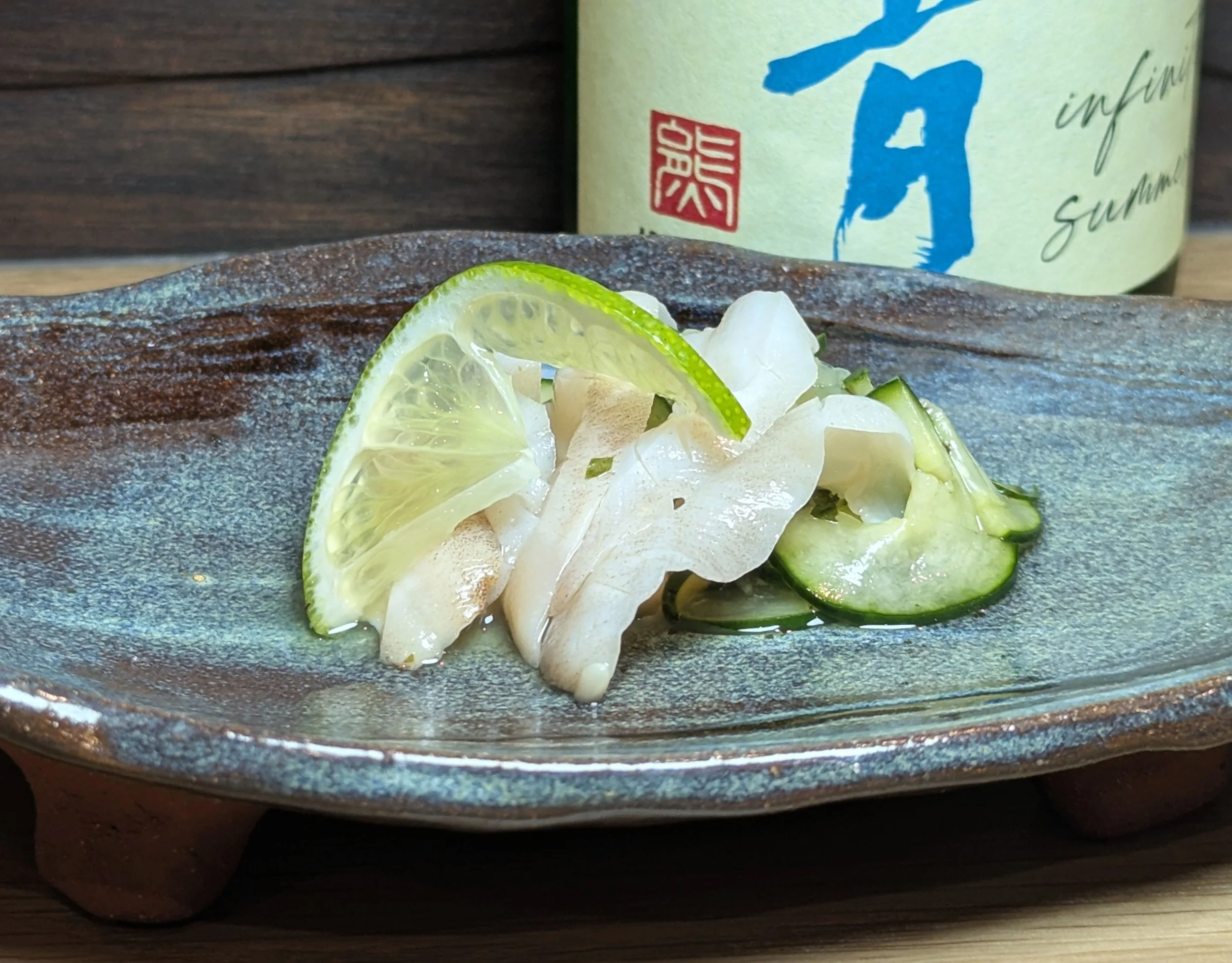
In 1994, Sato opened Mashiko in West Seattle. For its first 15 years, the restaurant operated much like other American sushi bars, serving the familiar species diners expected to find. But Sato had begun wondering what those expectations were doing to the oceans. When he asked seafood vendors where their products came from, the answers were elusive, unreliable, or both.
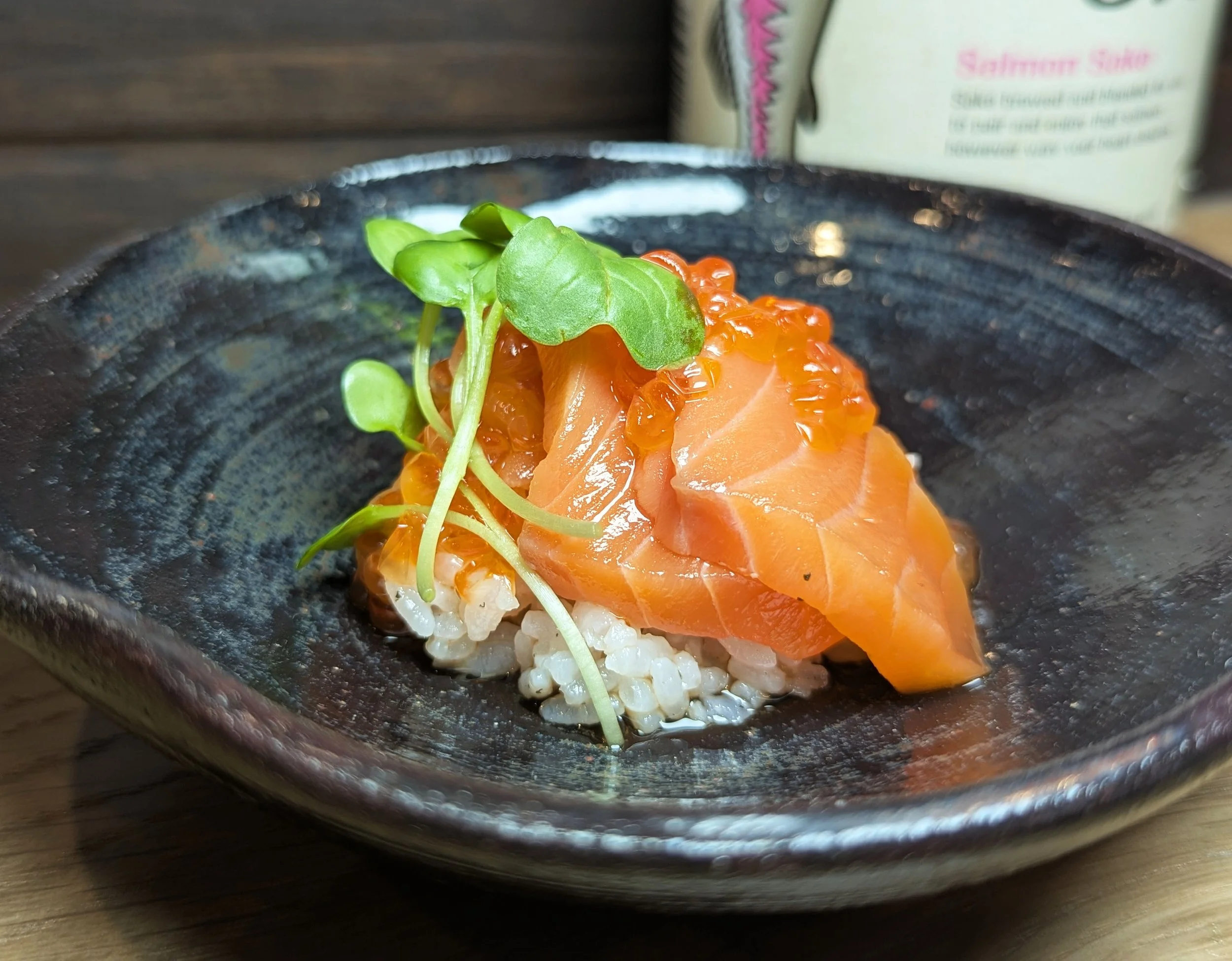
Then, in the spring of 2009, someone told him about a small event on sustainable sushi. He happened to have the night free. The speaker was ocean conservationist Casson Trenor, author of Sustainable Sushi: A Guide to Saving the Oceans One Bite at a Time. “It was like all of the pieces were coming together in my mind,” Sato says.

He decided that night to convert Mashiko to an entirely sustainable seafood menu. Within three months, bluefin tuna, freshwater eel, farmed Atlantic salmon, and other standards had disappeared from the restaurant. Sato was so energized by the change that he could barely sleep. His customers did not share the excitement.
“The first year or so was pretty rough,” he says. “My restaurant went from being busy to being so slow. Some nights I was sure I had made the worst business decision of my life.”
Going back would have been easier and, by then, impossible. Sato could no longer knowingly serve seafood he believed was harvested irresponsibly, then smile at the customer across the counter. Instead, he introduced diners to new species and argued that sustainability did not require surrendering pleasure. It merely required breaking sushi’s habit of serving the same fish everywhere.
Eventually, customers returned. Mashiko survived, and its approach helped place Sato near the front of a sustainable-sushi movement that has since spread across the country.
“There is something really special about not having everything all of the time.”
In 2019, Sato’s wife, Elizabeth, was receiving cancer treatment in Michigan. He sold Mashiko to longtime employees and moved with her to the Detroit area. Two years later, he opened Sozai, a 13-seat restaurant in suburban Clawson. There, far from the Pacific, he adapted his sourcing to the Midwest and proved his ideas did not require an ocean immediately outside the kitchen.
Sozai was named the Detroit Free Press Restaurant of the Year in 2022 and appeared on Bon Appétit’s list of the country’s 50 best new restaurants. Sato was a James Beard Award finalist in 2023. A year later, he won.
He closed Sozai in 2025 and returned west, though not to Seattle. Mashiko was still operating under the employees who had bought it from him, and Sato did not want to become their competition. He landed instead in Beaverton, where Sazanami opened in 2026 between an H&R Block and a yarn shop.
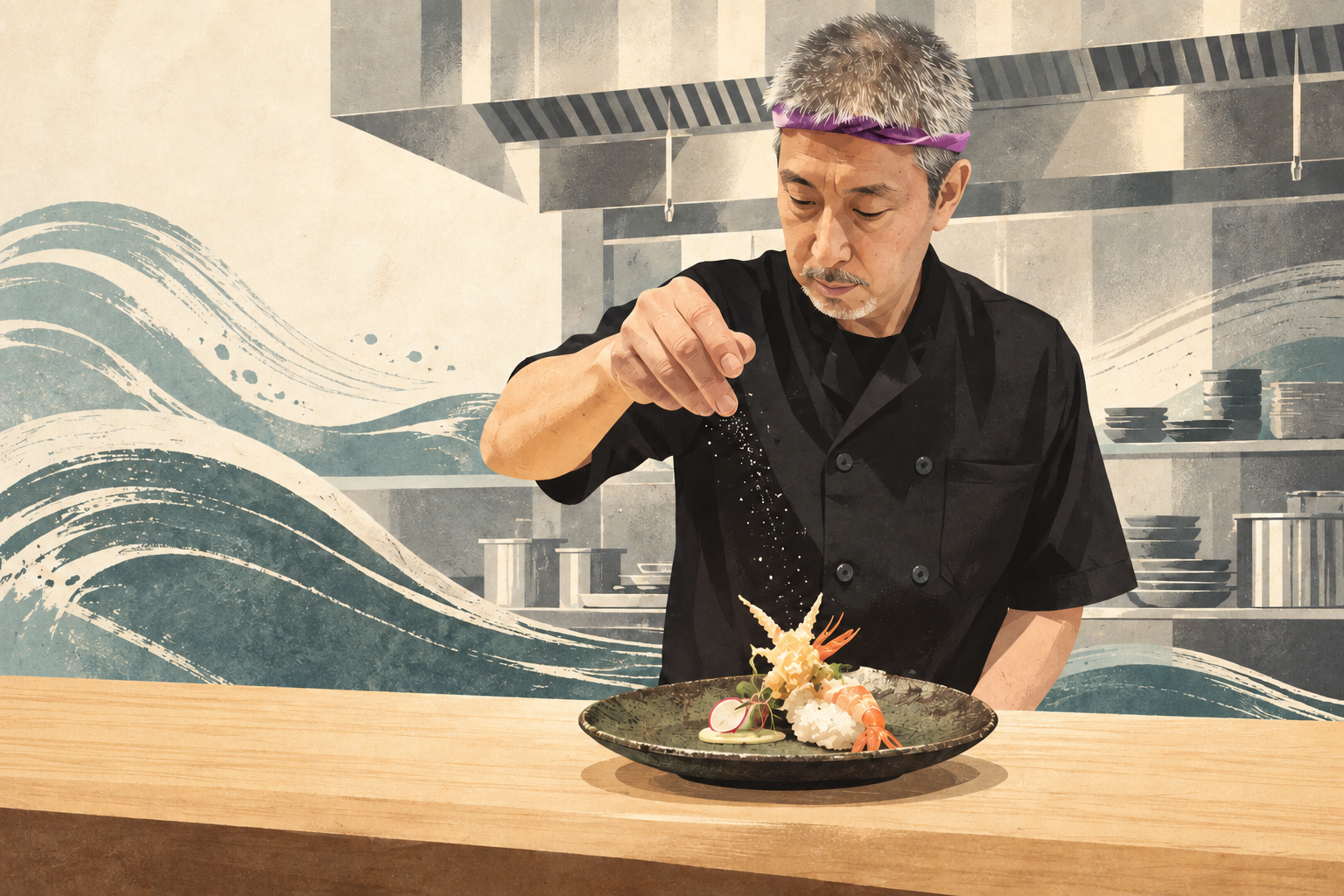
The setting suits a chef whose work has never depended on spectacle. At Sazanami, omakase gives him permission to serve what is available rather than what diners recognize. He buys from at least six sources and works with Oregon bay shrimp, Dungeness crab, petrale sole, albacore, oysters, clams, and locally grown wasabi. He wants invasive green crab and bycatch, too, although distributors have little incentive to carry either while one self-described “crazy guy” keeps asking.
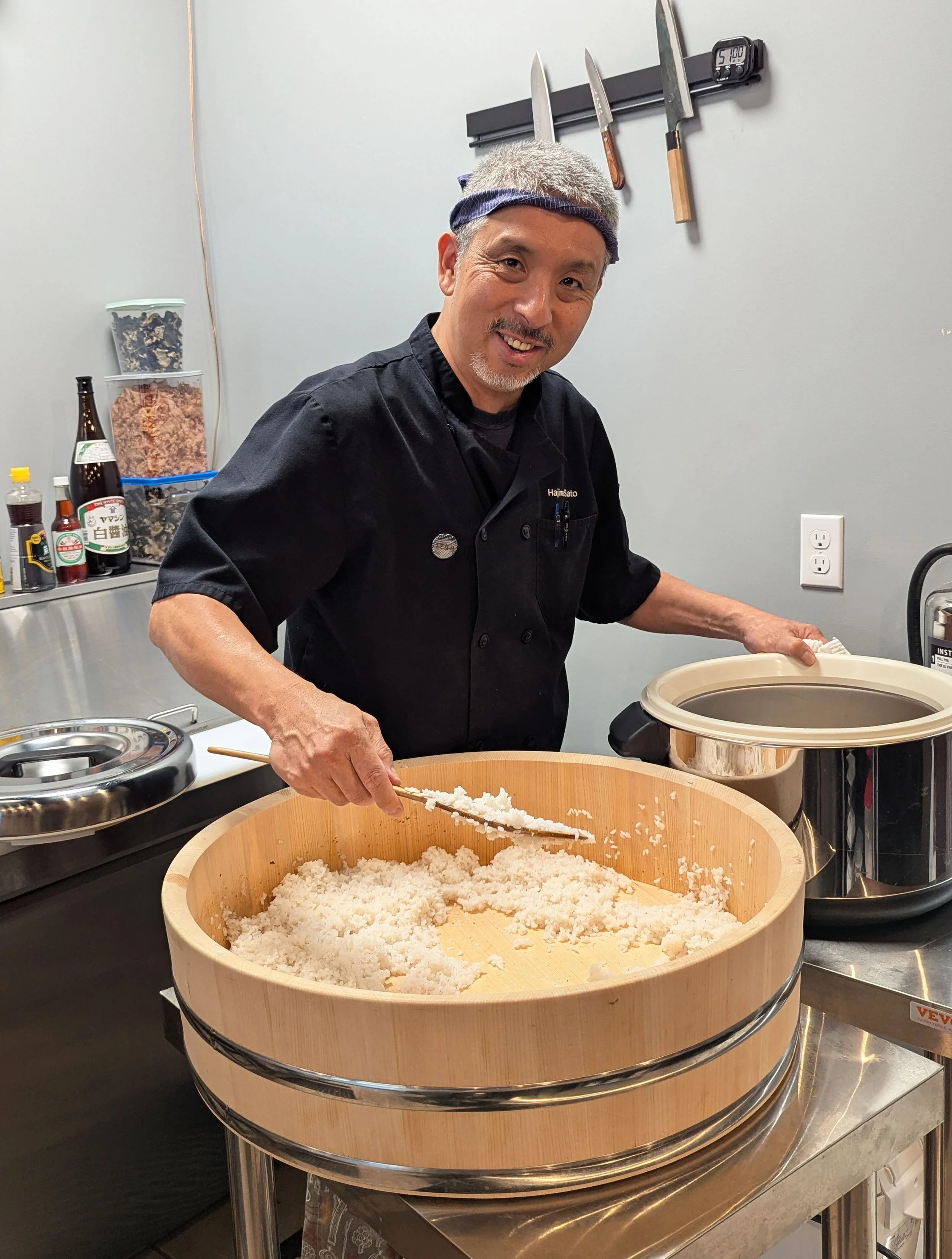
That is the larger purpose of Sazanami. Sato wants other restaurants and seafood markets to create demand for species commonly discarded or ignored. He also wants diners to understand the pleasure of waiting: Oregon bay shrimp while it is available, uni when its season returns, and no assumption that every ingredient should always be within reach.
“There is something really special about not having everything all of the time,” he says.
Sazanami means “ripples” in Japanese, an appropriately quiet name for the effect Sato wants the restaurant to have. His grandmother did not rush her cooking or compromise its flavors. Decades later, her grandson is asking an industry to show the same patience—to use what the water can responsibly provide, to stop demanding what it cannot, and to believe that a good meal begins with refusing the easiest shortcut.
These Portland Restaurants Deserve a Michelin Star
From French cuisine to Lao street food, these spots deserve a spot in the Michelin Guide.

Aspen’s Best Restaurants Have More Than a Mountain View
The town’s strongest tables range from Bosq’s tasting menu to Mawa’s Kitchen and the latest arrivals near the gondola.